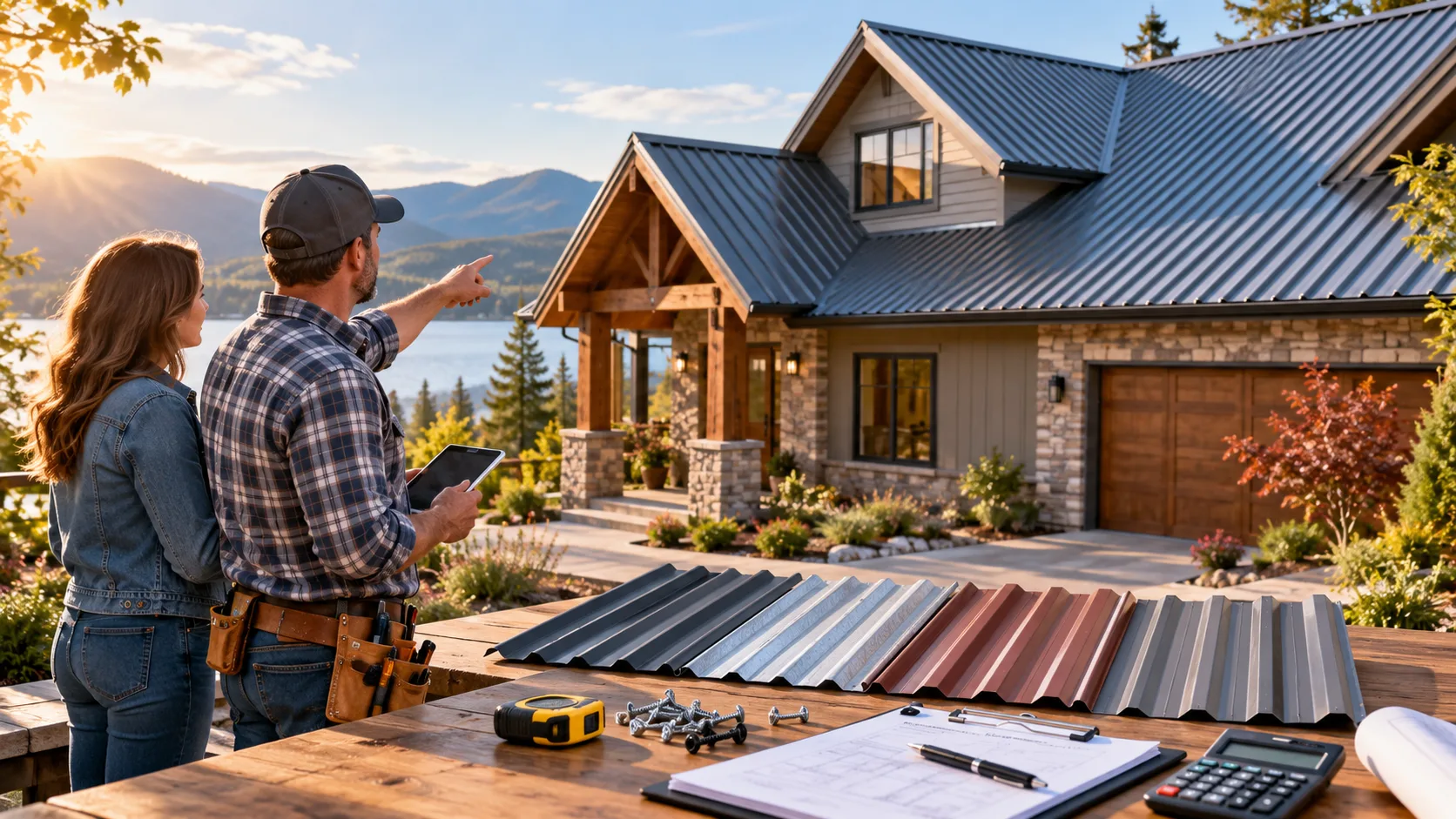
Corrugated metal roofing is a popular roofing option for homeowners, builders, and property owners looking for a durable, affordable, and practical roofing material. Its distinctive wavy or ribbed design provides structural strength while allowing rainwater to flow efficiently across the roof surface. Commonly used on residential houses, barns, garages, sheds, and commercial buildings, corrugated metal roofing offers a combination of functionality and visual appeal.
Choosing the right roofing material is an important decision because it affects your property’s appearance, maintenance requirements, energy efficiency, and long-term expenses. Corrugated metal roof panels are available in different materials, thicknesses, coatings, and finishes. Understanding these options helps homeowners determine whether metal roofing is suitable for their climate, budget, and building design.
Although corrugated metal roofing offers benefits such as weather resistance, lightweight construction, and relatively low maintenance, it also has potential disadvantages. Installation quality, noise, corrosion protection, and upfront expenses should be carefully considered before making a purchase. This guide explains the pros and cons of corrugated metal roofing, typical costs, available materials, installation requirements, and practical maintenance tips.
What Is Corrugated Metal Roofing?
Corrugated metal roofing consists of metal sheets formed into repeated waves, ridges, or grooves that improve their strength and rigidity. This distinctive profile allows relatively thin metal panels to span supporting structures more effectively than flat sheets of similar thickness. The design also helps direct water toward the roof’s drainage system.
These roofing panels are commonly manufactured from galvanized steel, Galvalume-coated steel, aluminum, and other suitable metals. Protective coatings and paint finishes help improve resistance to corrosion and environmental exposure. Different panel profiles are available for residential, agricultural, and commercial applications, depending on structural requirements and architectural preferences.
Corrugated metal roofs are often installed using exposed fasteners, although installation details vary between products. Panels overlap to create a continuous protective roof surface. Proper fastening, underlayment, flashing, and water management are essential because the corrugated profile alone does not guarantee a weatherproof roofing system.
How Does Corrugated Metal Roofing Work?
Corrugated metal roofing works by combining a shaped metal profile with overlapping panels and a properly designed supporting structure. The raised ridges provide additional rigidity, helping the sheets resist bending under appropriate loads. The channels between ridges guide rainwater downward toward gutters or other drainage components.
Roof performance depends on several factors, including panel thickness, material strength, roof slope, fastener spacing, and installation methods. Manufacturers specify appropriate support distances and minimum roof pitches for different products. Following these requirements helps maintain structural reliability and reduces the risk of water infiltration.
A complete roofing assembly also requires appropriate underlayment, flashing, ventilation, and moisture management. These components help control condensation and prevent water from entering vulnerable areas around roof penetrations and edges. When properly designed and installed, corrugated metal roofing can provide dependable protection against changing weather conditions.
Types of Corrugated Metal Roofing Materials
Corrugated metal roofing is available in several materials, each offering different characteristics and price levels. Galvanized steel is commonly used because it combines strength with a protective zinc coating. Its affordability and availability make it a practical option for agricultural buildings, utility structures, and some residential roofing projects.
Galvalume-coated steel uses an aluminum-zinc alloy coating designed to improve corrosion resistance in suitable environments. Aluminum roofing is another option, particularly where lower weight and resistance to certain types of corrosion are priorities. However, aluminum panels may cost more and behave differently under impact than comparable steel products.
Copper and zinc roofing materials may also be formed into specialized profiles, although they are generally associated with higher-end architectural applications. Material selection should consider climate, expected lifespan, structural requirements, and maintenance needs. Comparing manufacturer specifications helps identify the most suitable option for your particular roof.
Galvanized Steel Corrugated Roofing
Galvanized steel is one of the most recognizable materials used for corrugated metal roof panels. It features a protective zinc coating that helps reduce corrosion when the surface remains in good condition. This combination of durability and relatively affordable pricing makes galvanized steel suitable for various residential and utility applications.
The protective coating is particularly important because exposed steel can rust when repeatedly exposed to moisture. Scratches, cut edges, and poorly maintained fasteners may become vulnerable areas over time. Galvanized roofing performance therefore depends on coating quality, environmental conditions, installation practices, and ongoing maintenance.
Homeowners often choose galvanized steel for garages, workshops, barns, and budget-conscious building projects. It can also provide a rustic or industrial appearance that complements certain architectural styles. Before purchasing, compare coating specifications and determine whether the selected product is appropriate for your local weather conditions.
Aluminum Corrugated Metal Roofing
Aluminum corrugated roofing is valued for its lightweight construction and natural resistance to certain forms of corrosion. Unlike ordinary steel, aluminum does not develop traditional red rust, making it useful in some moisture-prone environments. Its lower weight can also simplify handling, although structural suitability still depends on the complete roofing design.
Aluminum panels are available in different thicknesses, colors, and protective finishes. Painted versions may provide additional appearance options while helping protect the surface from weather exposure. However, aluminum is generally softer than steel, so certain panels may be more vulnerable to denting from impacts.
The initial purchase price of aluminum roofing may be higher than that of common coated-steel alternatives. Nevertheless, its durability and corrosion characteristics can make it worthwhile in suitable locations. Homeowners should evaluate wind ratings, fastener compatibility, coating warranties, and local environmental conditions before selecting aluminum panels.
Advantages of Corrugated Metal Roofing
One of the biggest advantages of corrugated metal roofing is its combination of strength and relatively low weight. Its shaped profile provides rigidity without requiring excessively thick material. This makes it useful for numerous building types, including homes, barns, garages, storage facilities, and commercial structures.
Another important benefit is its ability to shed rainwater efficiently when installed at a suitable roof pitch. Metal roofing is also noncombustible, although the fire performance of the complete roof assembly depends on its construction. Correctly specified systems can provide reliable protection against demanding weather conditions.
Corrugated metal roofing also offers design flexibility through different profiles, finishes, and colors. Some products are manufactured with reflective coatings that may help reduce solar heat absorption. When combined with suitable insulation and ventilation, metal roofing can support a comfortable and efficient building environment.
Disadvantages of Corrugated Metal Roofing
Despite its benefits, corrugated metal roofing has several disadvantages that should be considered before installation. One common concern is noise during heavy rainfall or hailstorms, particularly on buildings with limited insulation. The actual noise level depends on roof construction, insulation, underlayment, and interior ceiling materials.
Corrosion can also become a concern if protective coatings are damaged or unsuitable for the environment. Certain exposed-fastener systems require periodic inspection because screws and sealing washers may deteriorate over time. Inadequate installation can increase the likelihood of leaks around fasteners, overlaps, and roof penetrations.
Another potential disadvantage is denting from falling branches or severe hail, depending on the material and panel thickness. Metal panels also expand and contract as temperatures change. Proper installation must accommodate this movement while maintaining secure connections and weather-resistant joints.
How Much Does Corrugated Metal Roofing Cost?
The cost of corrugated metal roofing depends on panel material, thickness, coating, roof dimensions, and local market conditions. In the United States, basic corrugated metal roofing materials may cost approximately $2 to $6 per square foot. Premium metals, specialized coatings, or higher-performance panels can cost considerably more.
Professional installation adds labor, underlayment, flashing, fasteners, and other necessary components to the total project price. A broad planning range for installed corrugated metal roofing might be around $5 to $12 per square foot, although complex projects and expensive markets can exceed this range. These figures are illustrative estimates rather than current contractor quotations.
Roof slope, accessibility, existing roof removal, and structural repairs can significantly influence the final expense. Obtaining itemized estimates from qualified local roofing contractors provides a more accurate budget. Compare material specifications and installation details rather than relying entirely on the lowest advertised price.
Corrugated Metal Roofing Cost Per Square Foot
Cost per square foot is commonly used to compare roofing options and estimate project expenses. The calculation generally considers the roof surface area rather than the home’s interior floor space. Roof pitch, overhangs, waste allowances, and complex shapes may increase the actual amount of roofing material required.
For example, a roof covering 2,000 square feet might have a total installed cost of approximately $10,000 to $24,000 using a general range of $5 to $12 per square foot. However, this estimate may not include significant structural repairs, extensive demolition, or unusual installation requirements.
When reviewing contractor quotations, confirm whether the listed price includes materials, labor, underlayment, flashing, and disposal of old roofing. Some estimates may exclude permit fees or additional repairs. Understanding the complete scope helps homeowners compare roofing costs accurately and avoid unexpected expenses during construction.
Factors That Affect Corrugated Metal Roofing Prices
Material choice is one of the main factors influencing corrugated metal roofing prices. Galvanized steel is often relatively affordable, while aluminum and specialized metal products may cost more. Protective coatings, panel thickness, manufacturer quality, and available warranties can also affect the purchase price.
Roof design and installation complexity are equally important. Simple roof shapes with few penetrations are generally easier to cover than roofs with several valleys, chimneys, dormers, and changes in slope. Additional cutting, flashing, and labor can increase the total installation budget.
Regional conditions also influence prices through labor rates, material availability, transportation costs, and local building requirements. Removing old roofing or repairing damaged decking can add substantial expenses. Requesting detailed estimates allows homeowners to understand which factors are responsible for differences between contractor quotations.
Corrugated Metal Roofing vs. Standing Seam Roofing
Corrugated metal roofing and standing seam roofing are both popular metal roof systems, but their designs and installation methods differ. Corrugated panels commonly use exposed fasteners and overlapping profiles. Standing seam systems typically feature raised interlocking seams with concealed fastening arrangements.
Standing seam roofing often provides a cleaner, more contemporary appearance and may reduce certain maintenance concerns associated with exposed fasteners. However, it generally costs more because of specialized panel designs, hardware, and installation requirements. Corrugated metal roofing can be more budget-friendly for suitable projects.
The better option depends on the roof’s design, climate, budget, and desired appearance. Standing seam systems may offer advantages for certain residential applications, while corrugated panels can provide practical performance at a lower upfront cost. Both require suitable materials and professional installation for reliable results.
Corrugated Metal Roofing vs. Asphalt Shingles
Asphalt shingles are widely used on residential roofs because they are familiar, available in many styles, and often have lower initial installation costs. Corrugated metal roofing usually offers a different appearance and may provide a longer service life under suitable conditions. However, performance varies substantially between specific products.
Metal roofing is generally lighter than many traditional roofing materials and can provide good weather resistance. Asphalt shingles may be quieter during rainfall in certain roof assemblies and can be easier to repair in small sections. Installation requirements and maintenance needs also differ between the two materials.
When comparing these options, consider total ownership expenses rather than the initial purchase price alone. Expected lifespan, maintenance, climate suitability, warranty coverage, and energy performance all influence long-term value. A qualified roofing contractor can help identify which system works best for your property’s design.
How Long Does Corrugated Metal Roofing Last?
The lifespan of corrugated metal roofing depends on the selected material, coating quality, local climate, and installation standards. Many properly installed coated-steel and aluminum roofing systems can provide several decades of service. However, there is no universal lifespan that applies to every corrugated metal roof.
Environmental exposure plays a major role in durability. Coastal salt, industrial pollution, prolonged moisture, severe weather, and damaged protective coatings may accelerate deterioration. Regular maintenance and suitable material selection can help protect the roofing system against avoidable wear.
Manufacturer warranties may provide useful information about expected performance, but warranty terms differ significantly. Some cover particular coating problems, while others address manufacturing defects under specific conditions. Reviewing warranty exclusions and maintenance requirements helps homeowners understand the level of long-term protection offered.
Is Corrugated Metal Roofing Energy-Efficient?
Corrugated metal roofing can contribute to energy efficiency when selected and installed as part of a properly designed roof assembly. Light-colored or specially coated metal panels may reflect a portion of incoming solar radiation. This can reduce roof surface temperatures under certain conditions, particularly in sunny climates.
However, the energy performance of a metal roof depends on more than its surface material. Insulation, ventilation, roof color, attic construction, and building orientation influence indoor temperatures. A poorly insulated metal roof may still allow substantial unwanted heat transfer into occupied spaces.
Homeowners seeking improved efficiency should consider reflective coatings alongside suitable insulation and air sealing. Reviewing available product ratings can help identify roofing materials with appropriate solar reflectance characteristics. Energy savings will vary according to climate, building design, and existing heating or cooling requirements.
Corrugated Metal Roofing in Hot Climates
Corrugated metal roofing can perform well in hot climates when appropriate materials and installation methods are used. Reflective coatings may reduce solar heat absorption compared with darker or less reflective surfaces. This can help manage roof temperatures, although actual indoor comfort depends on the complete building envelope.
Adequate insulation is especially important because metal conducts heat efficiently. Properly designed roof assemblies help separate hot exterior surfaces from interior living spaces. Ventilation may also play a useful role, depending on the roof structure, local humidity, and applicable building recommendations.
Choose corrosion-resistant finishes and products suited to prolonged sunlight exposure. High temperatures can cause metal panels to expand, making correct fastening and movement accommodation essential. Consulting local roofing professionals helps ensure that the system meets regional weather and building requirements.
Corrugated Metal Roofing in Cold and Snowy Climates
Corrugated metal roofing is also used in regions experiencing snow, freezing temperatures, and winter storms. Its surface can allow accumulated snow to slide off under certain conditions, depending on roof pitch and surface characteristics. However, sliding snow and ice can create hazards near entrances, walkways, and landscaping.
Snow retention systems may be necessary in some applications to control sudden snow movement. These components must be designed for the roofing profile and expected loads. The supporting structure must also meet local snow-load requirements regardless of the roofing material selected.
Proper insulation, ventilation, and air sealing help reduce condensation problems and unwanted heat loss during colder weather. Roof detailing should also address ice dams and moisture management where relevant. Professional design and installation are important for achieving dependable winter performance.
Can Corrugated Metal Roofing Rust?
Corrugated steel roofing can rust when its protective coating is damaged, worn, or exposed to conditions beyond its intended performance range. Galvanized and aluminum-zinc coatings help protect steel, but they do not make every product completely immune to corrosion. Exposure conditions strongly influence durability.
Rust may begin around scratches, cut edges, damaged fasteners, and locations where water remains trapped. Contact between incompatible metals can also contribute to corrosion under certain conditions. Choosing suitable fasteners and following manufacturer installation recommendations helps reduce these risks.
Regular inspections allow homeowners to identify coating damage before it develops into a larger problem. Minor surface issues may sometimes be repaired using manufacturer-approved products. Extensive corrosion or deteriorated panels may require professional replacement to restore reliable weather protection.
Is Corrugated Metal Roofing Noisy During Rain?
Noise during rainfall is one of the most frequently discussed concerns about corrugated metal roofing. Rain striking exposed metal can produce noticeable sound, particularly on sheds, barns, and buildings without insulated ceilings. The amount of noise depends on rainfall intensity and roof assembly characteristics.
Residential buildings with appropriate insulation, decking, underlayment, and finished ceilings may experience considerably less noticeable noise. These layers can help reduce sound transmission into interior rooms. Properly secured panels are also important because loose components may vibrate or rattle during strong winds.
Homeowners concerned about noise should discuss acoustic performance before selecting a roofing system. Adding suitable insulation or choosing an appropriate roof assembly may help improve comfort. The best solution depends on the building structure and whether the project involves new construction or roof replacement.
How Is Corrugated Metal Roofing Installed?
Corrugated metal roofing installation involves preparing the roof structure, applying suitable underlayment, and attaching panels according to manufacturer specifications. The exact process depends on roof slope, panel profile, supporting structure, and fastening method. Accurate measurements and planning are essential for effective weather protection.
Panels are usually arranged to provide suitable overlaps, while specialized flashing protects roof edges, valleys, and penetrations. Fasteners must be compatible with the roofing material and installed according to specified placement and tightening requirements. Incorrect fastening can damage washers or create openings that allow water infiltration.
Because roofing work involves fall hazards, heavy materials, and structural considerations, professional installation is generally the safest option for homeowners. Qualified contractors can also address ventilation, condensation control, and local building requirements. Proper installation helps preserve manufacturer warranties and reduces the likelihood of expensive repairs.
Maintenance Tips for Corrugated Metal Roofs
Routine maintenance can help extend the useful lifespan of corrugated metal roofing. Homeowners should arrange periodic inspections to identify damaged coatings, loose fasteners, blocked drainage, and signs of corrosion. Inspections may be especially useful after major storms or periods of severe weather.
Keeping gutters and drainage systems clear helps prevent water accumulation near vulnerable roofing areas. Leaves, branches, and other debris should be removed using safe methods appropriate for the roof. Avoid walking on metal panels unless a qualified professional has confirmed suitable access and support arrangements.
Professional maintenance may include replacing damaged fasteners, repairing compatible coatings, or addressing deteriorated flashing. Early attention to small problems can prevent moisture infiltration and more extensive structural damage. Following manufacturer recommendations provides a practical foundation for long-term roof care.
Common Mistakes to Avoid When Choosing Corrugated Roofing
One common mistake is choosing corrugated metal roofing based only on price without checking panel thickness, coating quality, and structural performance. Inexpensive products may not be suitable for every environment or roof configuration. Comparing specifications helps homeowners understand what they are purchasing.
Another mistake is overlooking the minimum roof pitch recommended for a particular corrugated panel. Insufficient slope can increase the risk of water infiltration, particularly around overlaps and exposed fasteners. Proper design must account for rainfall intensity, drainage requirements, and the selected roofing system.
Homeowners may also underestimate the importance of installation quality and routine maintenance. Incorrect fasteners, incompatible materials, or poorly installed flashing can reduce the effectiveness of an otherwise durable roof. Working with qualified professionals helps prevent these problems and supports better long-term performance.
Is Corrugated Metal Roofing Worth the Investment?
Corrugated metal roofing can be a worthwhile investment for homeowners seeking a durable and relatively affordable roofing system. Its lightweight construction, distinctive appearance, and compatibility with different building types make it useful for residential and utility applications. The actual value depends on product quality and installation conditions.
Although corrugated metal roofing may cost more initially than some basic roofing alternatives, its potential longevity can support competitive long-term ownership costs. Reduced replacement frequency and manageable maintenance requirements may provide financial benefits. However, corrosion exposure, repairs, and fastener maintenance should be included in any cost comparison.
The best decision involves balancing upfront expenses with climate suitability, roof design, appearance, and expected service life. Obtain local estimates and compare complete roofing systems rather than individual panel prices. Careful product selection and professional installation help maximize the value of your investment.
Conclusion
Corrugated metal roofing offers a practical combination of strength, lightweight construction, weather resistance, and design flexibility. Available in galvanized steel, aluminum, and other materials, it can suit homes, garages, barns, and commercial properties. Understanding the advantages and disadvantages helps homeowners determine whether this roofing system meets their needs.
The total cost depends on roofing material, panel specifications, roof complexity, and professional installation requirements. Evaluating long-term maintenance, corrosion protection, insulation, and local weather conditions is just as important as comparing upfront prices. Proper installation remains essential for achieving dependable performance and avoiding premature roofing problems.
Choosing corrugated metal roofing requires careful planning and realistic budgeting. By comparing materials, understanding installation requirements, and following appropriate maintenance practices, homeowners can make informed decisions. A well-designed and properly maintained corrugated metal roof can provide attractive and reliable protection for many years.
Frequently Asked Questions (FAQs)
How much does corrugated metal roofing cost?
Corrugated metal roofing may cost approximately $2 to $6 per square foot for basic materials in the United States. Installed costs can range around $5 to $12 per square foot or more, depending on project requirements.
How long does a corrugated metal roof last?
A properly installed corrugated metal roof can last several decades, depending on material quality, protective coatings, climate, and maintenance. Corrosion exposure and installation conditions significantly influence its actual service life.
Is corrugated metal roofing cheaper than shingles?
Corrugated metal roofing often has a higher initial cost than basic asphalt shingles, although prices vary. Its potential durability and longer service life may offer better long-term value in some situations.
Does corrugated metal roofing make a house hotter?
Not necessarily. Roof color, reflective coatings, insulation, and ventilation influence indoor temperatures. Properly designed metal roofing systems can help manage solar heat, while inadequate insulation may allow unwanted heat transfer.
What are the main disadvantages of corrugated metal roofing?
Potential disadvantages include rainfall noise, corrosion risks, denting, and maintenance of exposed fasteners. Performance depends on material quality, environmental exposure, installation practices, and the design of the complete roofing system.