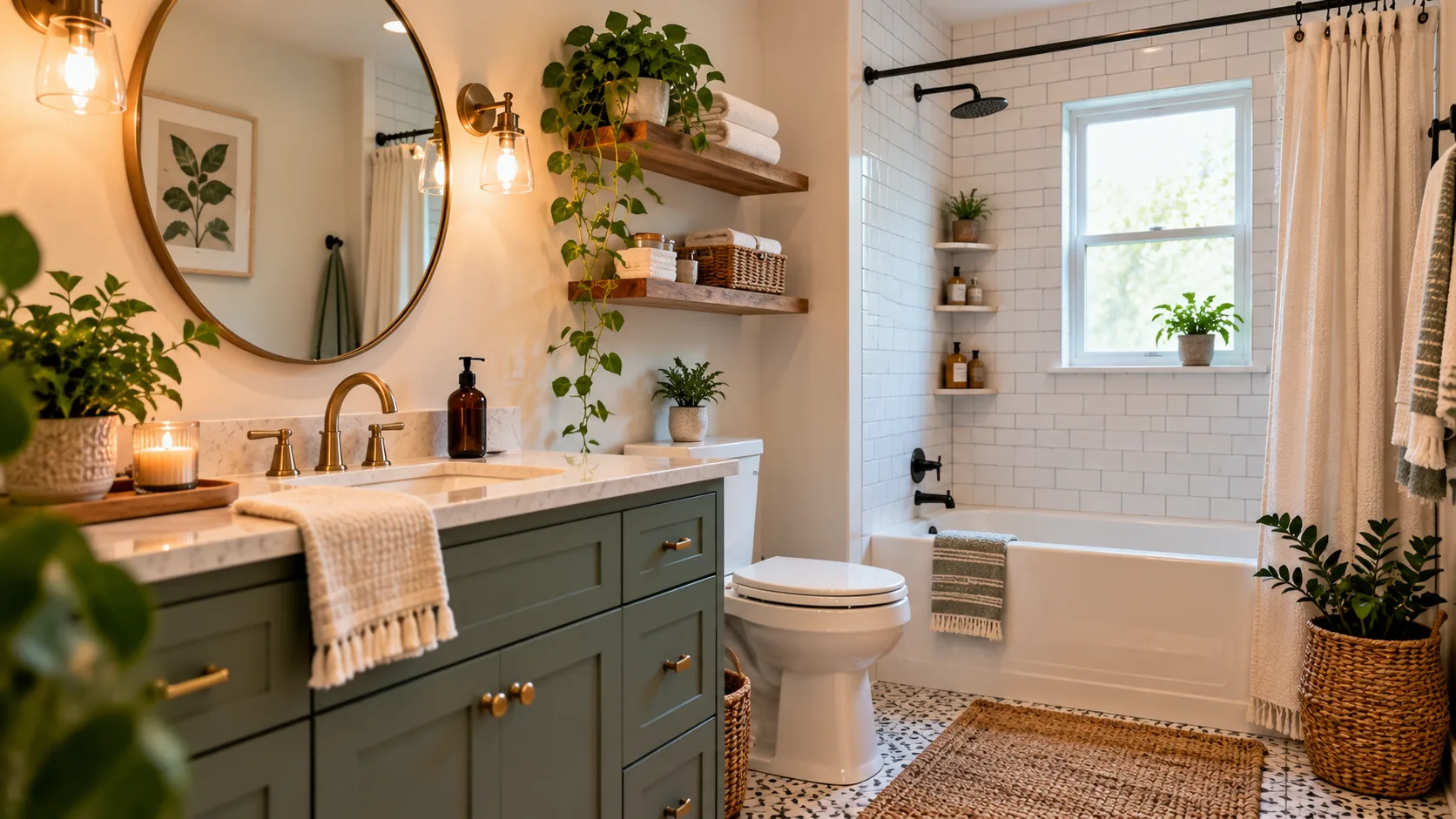
An outdated bathroom does not always need a complete renovation to look fresh, stylish, and inviting. Simple upgrades, affordable decorating ideas, and small improvements can completely change how your bathroom feels without expensive construction work. From refreshing walls to updating fixtures, there are many practical ways to transform an old bathroom while keeping your existing layout and major features.
Learning how to update an old bathroom without remodeling can help homeowners save money, reduce disruption, and improve everyday comfort. Whether your bathroom has outdated tiles, worn cabinets, dull lighting, or limited storage, thoughtful changes can make a noticeable difference. This guide explores budget-friendly bathroom updates, easy DIY improvements, and creative decorating ideas to refresh your space without major renovation expenses.
Start With a Thorough Bathroom Cleaning and Decluttering
Before making decorative changes, begin by thoroughly cleaning your bathroom and removing unnecessary items. Over time, soap residue, mineral deposits, and everyday clutter can make even a functional bathroom appear older than it actually is. Cleaning sinks, countertops, shower doors, mirrors, and visible fixtures helps reveal which areas genuinely need improvement and which simply require maintenance.
Pay special attention to grout lines, faucets, showerheads, and areas around the bathtub where buildup commonly develops. Choose cleaning products suitable for each surface and follow manufacturer instructions to prevent accidental damage. Improving cleanliness can restore shine to existing materials, making your bathroom feel brighter and more appealing before you spend money on additional upgrades.
Decluttering is equally important when refreshing an old bathroom because crowded countertops can make the space appear smaller. Remove expired products, organize everyday essentials, and store rarely used items in cabinets or baskets. Creating an uncluttered environment establishes a clean foundation for future decorating decisions while improving the bathroom’s overall functionality and visual appeal.
Refresh Bathroom Walls With a New Paint Color
Painting is one of the most affordable ways to update an old bathroom without remodeling. A fresh wall color can brighten the space, complement existing tiles, and make outdated fixtures feel less noticeable. Soft whites, warm neutrals, muted greens, and gentle blues are popular choices because they create a calm atmosphere and coordinate with many bathroom finishes.
Before painting, clean the walls thoroughly and repair minor surface imperfections. Bathrooms experience frequent humidity, so select a paint specifically suitable for moisture-prone interior environments. Proper surface preparation, suitable primer where needed, and adequate ventilation can help improve paint adhesion and maintain an attractive finish over time.
Consider how natural and artificial lighting influences your chosen paint color throughout the day. Light shades can help smaller bathrooms feel more open, while deeper colors may create a dramatic appearance in spaces with sufficient lighting. Testing paint samples before committing allows you to identify a shade that complements your existing flooring, countertops, and bathroom accessories.
Update Bathroom Hardware for an Instant Refresh
Replacing outdated cabinet handles, drawer pulls, and towel hooks can significantly improve your bathroom’s appearance without major expenses. Small hardware details influence how the entire space feels, especially when existing cabinets remain in good condition. Choosing modern finishes such as brushed nickel, matte black, or warm brass can create a more coordinated and contemporary bathroom design.
When selecting replacement hardware, consider the style and color of your current faucets, mirrors, and lighting fixtures. Matching finishes can create visual consistency, although carefully combining complementary materials can also work well. Measure existing screw-hole spacing before purchasing new cabinet pulls to avoid unnecessary drilling or additional surface repairs.
Updating hardware is generally a manageable improvement for homeowners comfortable with basic household tasks. However, heavy wall-mounted accessories require suitable anchors and secure installation, particularly around tiled surfaces. Choosing durable, moisture-resistant materials helps ensure your new accessories remain functional and attractive despite regular exposure to bathroom humidity.
Replace an Outdated Bathroom Mirror
A bathroom mirror plays an important role in both functionality and visual design. Older mirrors may have worn edges, damaged backing, or frames that no longer complement the surrounding space. Replacing an outdated mirror with a modern design can create an immediate focal point and make the bathroom feel more polished without changing major fixtures.
Round mirrors are often used to soften bathrooms with straight countertops and rectangular tiles. Framed rectangular mirrors provide a classic appearance, while simple frameless designs can complement minimalist interiors. Consider the size of your vanity, available wall space, and lighting placement when choosing a replacement that suits your bathroom proportions.
If your existing mirror remains in excellent condition, adding a suitable decorative frame may provide a more affordable alternative. Choose materials designed to tolerate moisture and avoid adhesives that could damage the mirror surface. Large or heavy mirrors should be mounted using appropriate hardware, following manufacturer guidance to ensure secure installation and long-term safety.
Improve Bathroom Lighting Without Major Electrical Changes
Lighting can dramatically influence how an old bathroom looks and feels throughout the day. Dim or uneven lighting may emphasize shadows, make colors appear dull, and reduce visibility around the vanity. Improving the quality and placement of light can create a brighter, more welcoming environment while making everyday activities such as grooming more convenient.
Begin by cleaning existing light fixtures and checking whether compatible bulbs could provide better illumination. Warm or neutral white lighting can create a comfortable atmosphere, depending on personal preferences and the bathroom’s design. Selecting appropriate brightness and color temperature helps improve visibility without producing harsh glare or unnecessarily changing the room’s existing electrical layout.
Replacing an outdated light fixture may also modernize the space, but bathroom electrical work requires proper safety precautions. Fixtures must be suitable for their installation location and exposure to moisture. When wiring changes or fixture replacement are necessary, use a qualified electrician rather than attempting unsafe electrical modifications near sinks, showers, or bathtubs.
Give Old Bathroom Cabinets a Fresh Look
Existing bathroom cabinets often remain structurally sound even when their appearance becomes outdated. Instead of replacing the entire vanity, consider refreshing cabinet doors and visible surfaces with suitable paint or new hardware. This affordable approach can transform a worn bathroom vanity while preserving useful storage space and avoiding unnecessary construction work.
Before painting, inspect cabinets for swelling, persistent moisture damage, loose hinges, or structural problems. Clean and prepare surfaces according to the cabinet material and selected coating system. Using moisture-resistant products designed for bathroom cabinetry helps create a more durable finish that can withstand regular cleaning and changes in humidity.
Colors such as soft gray, warm white, navy blue, and muted green can give old cabinets a fresh appearance. The best choice depends on your bathroom’s wall color, countertops, flooring, and overall decorating style. Adding updated handles and maintaining an uncluttered countertop can complete the transformation without requiring a new vanity installation.
Refresh Old Bathroom Tiles Without Replacing Them
Outdated bathroom tiles can make an otherwise functional space appear tired, but replacing them is not always necessary. Thorough cleaning, grout maintenance, and thoughtful decorating changes may dramatically improve their appearance. When tiles remain securely attached and free from serious damage, preserving them can help homeowners avoid substantial labor costs and unnecessary disruption.
Cleaning grout lines can restore definition between tiles and make surrounding surfaces appear brighter. If grout is cracked or deteriorating, appropriate repairs may be needed to maintain the surface. However, recurring moisture problems, loose tiles, or water damage should be investigated before applying cosmetic finishes that might conceal underlying issues.
Specialized tile coatings may offer another option for selected bathroom surfaces when manufacturers specifically approve their use. Preparation requirements and durability vary considerably, particularly in wet areas. Rather than assuming every tile can be painted, confirm product compatibility and consider professional refinishing where appropriate to achieve safer, longer-lasting results.
Update Shower Curtains and Bathroom Textiles
Replacing worn shower curtains, bath mats, and towels is one of the easiest ways to refresh an outdated bathroom. Textiles introduce color, texture, and personality without permanent changes to existing fixtures. Choosing coordinated accessories can make the space feel more intentional while allowing homeowners to update the design whenever their preferences change.
Neutral textiles can create a timeless appearance, while patterned shower curtains add visual interest to otherwise simple bathrooms. Consider colors that complement your walls, tiles, and cabinetry rather than introducing too many competing shades. Maintaining a consistent palette helps create a balanced look, especially in smaller bathrooms with limited decorating space.
Practical considerations are equally important when selecting bathroom textiles for everyday use. Choose washable materials, suitable shower liners, and bath mats designed to stay securely positioned on the floor. Regular cleaning and proper drying help reduce moisture buildup while keeping these affordable bathroom accessories fresh and comfortable over time.
Upgrade Faucets and Showerheads for a Modern Appearance
Outdated faucets and showerheads can make an old bathroom appear less attractive even when surrounding surfaces remain functional. Replacing worn fixtures with updated designs may improve appearance and everyday usability. Water-efficient options can also help reduce unnecessary water consumption when selected and installed appropriately for the home’s plumbing system.
Before purchasing replacement fixtures, check compatibility with your existing sink, bathtub, or shower connections. Faucet mounting configurations, supply connections, and installation requirements vary between products. Choosing the correct size and configuration can prevent unnecessary modifications and help homeowners maintain their existing bathroom layout without undertaking a larger renovation.
Fixture replacement should also account for plumbing condition and installation complexity. Simple replacements may be straightforward for experienced homeowners, but leaks, corroded fittings, or unfamiliar connections require professional attention. Proper installation and leak testing help protect cabinets, flooring, and nearby materials from potential water damage after the upgrade.
Add Smart Bathroom Storage Without Renovating
Limited storage can make an old bathroom feel disorganized, especially when countertops are covered with everyday products. Adding practical storage accessories can improve functionality without changing the existing layout. Freestanding cabinets, drawer organizers, baskets, and suitable wall-mounted shelves help create designated spaces for toiletries, towels, and cleaning supplies.
When selecting storage solutions, consider the bathroom’s available floor space and the locations of doors, fixtures, and walkways. Slim storage units can fit narrow areas, while drawer dividers make existing cabinets more useful. Choosing moisture-resistant materials helps protect stored belongings and maintain the appearance of shelves and organizers in humid conditions.
Keep frequently used items accessible while placing extra supplies in less visible storage areas. Avoid overcrowding shelves or installing heavy accessories without proper wall support. A thoughtfully organized bathroom feels more spacious, reduces everyday frustration, and creates a cleaner appearance without requiring expensive custom cabinetry or structural modifications.
Use Peel-and-Stick Wallpaper for a Decorative Accent
Peel-and-stick wallpaper can introduce patterns, color, and visual personality to an outdated bathroom without permanent construction changes. A decorative accent wall may help create a fresh focal point behind a vanity or along a suitable dry surface. This option can be especially appealing for homeowners interested in experimenting with modern bathroom decorating trends.
Before applying wallpaper, check whether the selected product is suitable for bathroom humidity and the intended wall surface. Smooth, clean, dry walls generally provide better conditions for adhesion than uneven or damaged materials. Avoid placing ordinary decorative wallpaper in direct shower spray or areas where persistent moisture could undermine the adhesive.
Subtle geometric patterns, botanical prints, and textured-looking designs can complement different bathroom decorating styles. In smaller rooms, using wallpaper on a single wall may provide visual interest without overwhelming the space. Coordinating the design with existing fixtures and accessories helps create a cohesive appearance while keeping the overall update affordable.
Decorate With Plants and Natural Accessories
Introducing plants and natural materials can make an older bathroom feel more inviting and visually balanced. Greenery adds color and texture, while wooden or woven accessories can create a warmer atmosphere. These elements work particularly well in bathrooms with neutral walls, simple fixtures, and limited decorative details that would benefit from additional personality.
Choose plants based on the bathroom’s actual lighting, ventilation, and humidity conditions rather than assuming every plant thrives in moisture. Some tropical houseplants tolerate humid environments, but most still require appropriate light and drainage. Bathrooms without sufficient natural light may benefit more from realistic artificial greenery or nonliving decorative accessories.
Natural-looking storage baskets, wooden trays, and simple ceramic containers can complement plants without creating unnecessary clutter. Select accessories that tolerate bathroom humidity and can be cleaned easily. Keeping decorations proportionate to the available countertop and shelf space helps maintain functionality while giving the room a refreshed, comfortable appearance.
Make an Old Bathroom Look Bigger With Simple Design Tricks
Small bathrooms can feel cramped when they contain excessive clutter, dark corners, and poorly coordinated accessories. Simple design adjustments can create the impression of additional space without moving walls or replacing fixtures. Lighter wall colors, organized storage, and carefully positioned mirrors help improve visual openness while maintaining the bathroom’s existing dimensions.
Keeping the floor as visible as possible can also make a compact bathroom feel less crowded. Replace oversized storage containers with slimmer alternatives and avoid unnecessary decorative furniture. A clear glass shower enclosure, when already installed, can benefit from thorough cleaning that restores transparency and allows the eye to travel across the room.
Consistent colors and finishes help create a unified appearance in smaller spaces. Choosing accessories that complement existing tiles reduces visual interruptions, while improved lighting can soften dark corners. These straightforward decorating techniques cannot increase actual floor space, but they can make an older bathroom feel more open, orderly, and pleasant.
Refresh Bathroom Grout and Caulking
Discolored grout and deteriorating caulk can make an old bathroom look neglected even when the tiles and fixtures remain attractive. These details are especially noticeable around sinks, bathtubs, and shower surrounds. Addressing visible wear can improve the bathroom’s appearance while helping maintain appropriate protection against moisture in areas that regularly become wet.
Begin by examining grout lines and sealed joints for discoloration, cracking, or separation. Surface stains may respond to suitable cleaning products, while damaged joints can require repair or replacement. Persistent mold, unusual odors, or recurring dampness may indicate a deeper moisture problem that should be investigated rather than covered with fresh sealant.
When resealing bathroom joints, choose products specifically intended for the surface and moisture conditions involved. Follow cleaning, preparation, application, and curing instructions carefully to support proper performance. For extensive damage or suspected leaks behind walls, professional assessment is more appropriate than relying entirely on cosmetic repairs to restore the surface.
Replace Outdated Bathroom Accessories and Decorative Details
Small decorative items can have a surprisingly noticeable effect on a bathroom’s overall appearance. Old soap dispensers, toothbrush holders, wastebaskets, and towel bars may create a mismatched or outdated impression. Replacing these accessories with coordinated alternatives is an affordable way to achieve a cleaner, more contemporary bathroom without changing permanent fixtures.
Choose a simple decorating theme before purchasing new accessories to avoid unnecessary spending. Modern bathrooms often benefit from understated shapes and coordinated finishes, while traditional spaces may suit warmer materials and classic details. Selecting items based on your existing colors and bathroom layout helps create a consistent appearance rather than collecting unrelated decorative pieces.
Avoid filling every available surface with decorations because bathrooms still need space for everyday activities. A few practical accessories, such as matching dispensers and an organized countertop tray, can provide sufficient visual improvement. Prioritizing useful details keeps the space comfortable and helps maintain the refreshed appearance with less ongoing maintenance.
Create a Spa-Like Bathroom Atmosphere on a Budget
Creating a relaxing bathroom environment does not require expensive remodeling or luxury fixtures. Thoughtful lighting, comfortable textiles, clean surfaces, and calming colors can make an ordinary bathroom feel more peaceful. Focusing on sensory comfort and organization helps transform the atmosphere while keeping the existing bathtub, shower, vanity, and flooring.
Soft towels, a comfortable bath mat, and coordinated storage containers can contribute to a spa-inspired appearance. Choose gentle lighting where appropriate and maintain good ventilation to prevent excessive humidity. Natural-looking accessories and simple decorations can add warmth, while uncluttered countertops create the sense of calm commonly associated with relaxing bathroom interiors.
Consider incorporating practical comforts that suit your daily routines instead of purchasing accessories purely for decoration. A convenient towel rack, accessible storage, or improved mirror lighting may offer more lasting value than unnecessary ornaments. Creating a comfortable bathroom should emphasize cleanliness, functionality, and personal preferences rather than expensive products or complicated design changes.
Know When an Old Bathroom Needs More Than Cosmetic Updates
Although many outdated bathrooms can be refreshed affordably, cosmetic improvements cannot solve every underlying problem. Persistent leaks, damaged flooring, unstable fixtures, and extensive moisture deterioration may require repairs before decorating begins. Identifying these issues early helps prevent homeowners from spending money on surface improvements that could become damaged by unresolved maintenance problems.
Inspect visible plumbing connections, flooring near water sources, and surrounding surfaces for signs of deterioration. Cracked tiles, soft flooring, recurring stains, and unpleasant damp odors may indicate problems that need professional evaluation. Electrical concerns, especially those involving moisture exposure, should also be assessed by qualified professionals rather than addressed through decorative changes alone.
When the bathroom’s major components remain structurally sound, small upgrades can provide meaningful improvements at a reasonable cost. However, recurring plumbing failures or significant water damage may make professional repair work unavoidable. Understanding the difference between outdated appearance and genuine functional problems helps homeowners make practical decisions about maintenance, decorating, and future renovation plans.
Conclusion
Updating an old bathroom without remodeling is possible through affordable improvements that focus on appearance, comfort, and functionality. Fresh paint, updated hardware, improved lighting, organized storage, and carefully chosen accessories can make a noticeable difference. These practical changes allow homeowners to refresh their bathrooms without the disruption and expense associated with complete renovations.
The most effective bathroom updates begin with cleaning, decluttering, and evaluating the condition of existing fixtures and surfaces. Choosing improvements that complement the current layout helps create a coordinated appearance while controlling unnecessary expenses. Prioritizing moisture-resistant materials, proper installation, and routine maintenance also supports the long-term value of each upgrade.
Whether you want a modern appearance, a relaxing atmosphere, or better everyday organization, thoughtful changes can transform the way your bathroom looks and feels. Focus on improvements that match your budget, personal style, and practical needs. With careful planning and a few well-chosen updates, even an outdated bathroom can become a fresh, attractive, and comfortable space.
Frequently Asked Questions (FAQs)
How can I make my old bathroom look new without remodeling?
Start with deep cleaning, fresh paint, updated hardware, improved lighting, and coordinated accessories. Refreshing grout, organizing storage, and replacing an outdated mirror can also make a noticeable difference without major construction.
What is the cheapest way to update an outdated bathroom?
Cleaning, decluttering, repainting suitable surfaces, and replacing small accessories are among the most affordable options. Updating cabinet handles, towels, shower curtains, and storage containers can also refresh the room inexpensively.
Can I update bathroom tiles without replacing them?
Yes, cleaning grout, repairing damaged joints, and improving surrounding decor can refresh existing tiles. Specialized coatings may also work on suitable surfaces, but product compatibility and moisture exposure must be considered.
How can I make a small old bathroom look bigger?
Use lighter colors, improve lighting, reduce countertop clutter, and choose compact storage solutions. A suitable mirror and coordinated accessories can also create a more open appearance without changing the bathroom’s physical dimensions.
Is it worth updating a bathroom without a complete renovation?
Yes, cosmetic upgrades can improve comfort, appearance, and functionality when existing fixtures and surfaces remain sound. However, significant leaks, structural damage, or electrical problems should be addressed before decorating.