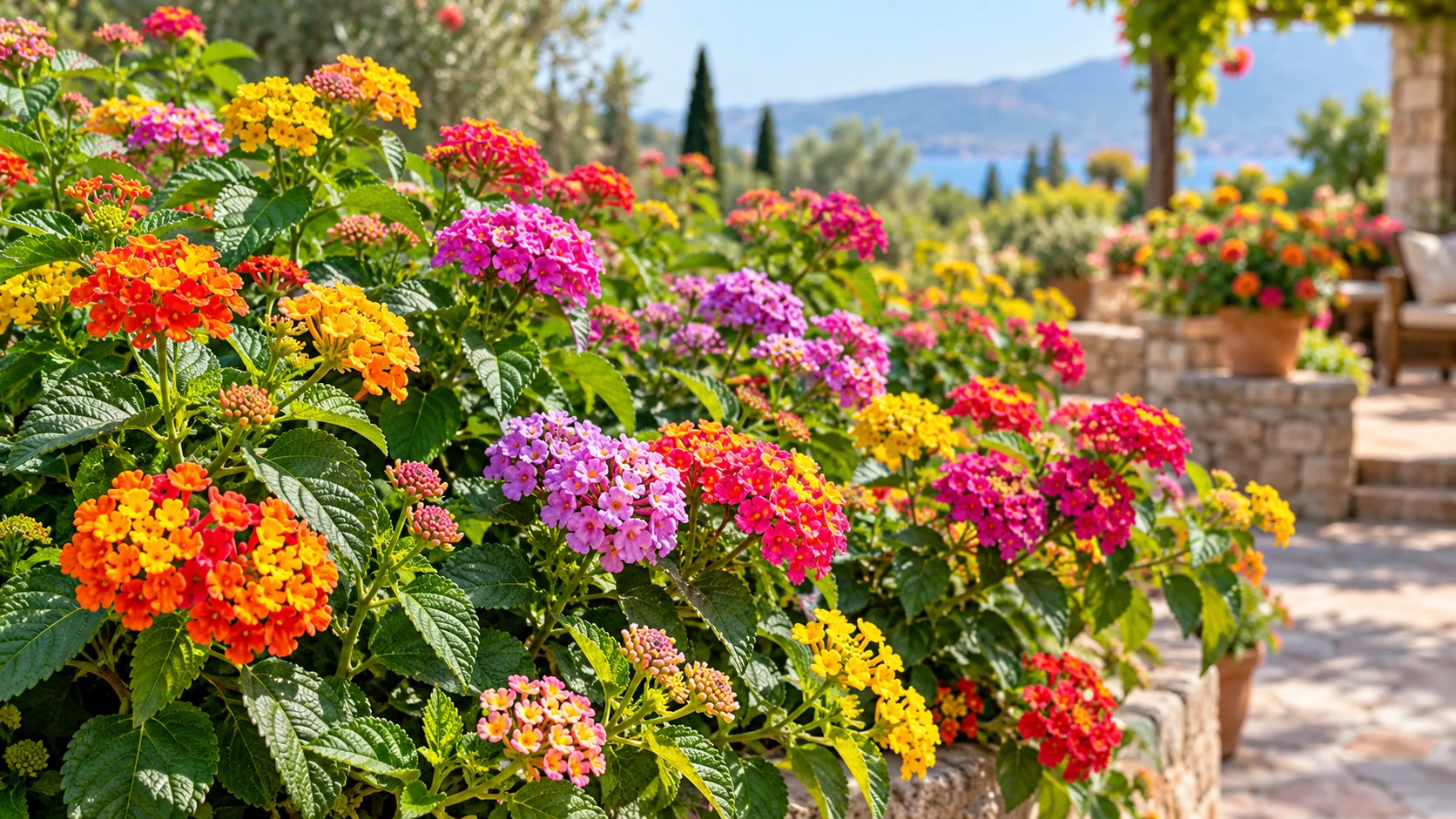
Lantana is a colorful flowering plant known for its bright flower clusters, attractive foliage, and ability to thrive in warm weather. Its flowers appear in shades of yellow, orange, red, pink, purple, and white, making it a popular choice for gardens, patios, and decorative containers. With the right growing conditions, lantana can provide beautiful blooms throughout much of the warmer season.
Growing lantana is relatively straightforward because many varieties tolerate heat, sunshine, and occasional dry conditions. However, healthy growth still depends on suitable soil, proper watering, pruning, and seasonal maintenance. Selecting an appropriate variety is especially important because some lantana species can spread aggressively and become invasive in certain regions.
This practical guide explains lantana care, growing tips, popular varieties, and common plant problems. You will learn how to grow lantana in garden beds and containers, encourage healthy flowers, and protect plants during colder weather. Whether you are an experienced gardener or just starting, these tips can help you enjoy lantana responsibly.
What Is Lantana?
Lantana is a genus of flowering plants belonging to the Verbenaceae family, commonly known as the verbena family. These plants are recognized for their clusters of small, colorful flowers and slightly rough, aromatic leaves. Depending on the species, lantana may grow as a compact shrub or spreading groundcover. Its attractive flowers make it popular in ornamental gardening.
One of the most commonly cultivated species is Lantana camara, which originates from tropical regions of the Americas. It produces rounded clusters of flowers that may change color as they mature. This feature gives some varieties a striking multicolored appearance. However, Lantana camara is invasive in several parts of the world and requires careful selection.
Lantana generally performs best in warm, sunny environments with well-draining soil. Some varieties remain evergreen in frost-free climates, while others are grown as annuals in colder regions. Established plants often tolerate periods of dryness better than many delicate flowering plants. Their long blooming season and ability to attract pollinators contribute to their popularity.
Popular Types and Varieties of Lantana
Lantana camara is widely recognized for its colorful flowers and bushy growth habit. Cultivated varieties are available in many combinations of yellow, orange, pink, and red. Some develop upright stems, while others form spreading mounds. Because the species can become invasive, gardeners should check local restrictions and consider verified sterile cultivars.
Trailing lantana, often identified as Lantana montevidensis, develops long, spreading stems and is commonly grown in hanging baskets or as groundcover. Its flowers are usually lavender, purple, or white, depending on the variety. This plant can create attractive displays along container edges. However, its invasive potential should also be checked before planting.
Popular cultivated selections include ‘New Gold,’ ‘Miss Huff,’ and varieties from the Bloomify series. ‘New Gold’ produces bright yellow flowers with a spreading growth habit, while ‘Miss Huff’ is known for vigorous growth and colorful blooms. Certain Bloomify cultivars have been developed for sterility. Always confirm the exact cultivar and its suitability for your region.
Ideal Sunlight and Temperature for Lantana
Lantana grows best in full sunlight, typically receiving at least six hours of direct sun daily. Adequate light encourages strong stems, healthy foliage, and abundant flower production. Plants growing in shaded locations may develop fewer flowers and more elongated stems. Choosing a bright planting location is one of the easiest ways to support healthy growth.
Warm temperatures are particularly suitable for lantana because many varieties originate from tropical and subtropical environments. Established plants can tolerate considerable summer heat when their roots have access to appropriate moisture. However, newly planted lantana may require extra attention during unusually hot weather. Consistent growing conditions help the plant establish successfully.
Cold temperatures can damage lantana foliage and stems, particularly in varieties that are not frost-hardy. In colder regions, gardeners often grow lantana as an annual or protect suitable container plants during winter. Some cultivars are more cold-tolerant than others. Understanding the hardiness of your selected variety helps prevent avoidable seasonal damage.
Best Soil for Growing Lantana
Lantana generally prefers well-draining soil that allows excess water to move away from the root system. It can grow successfully in sandy or loamy soil and often performs reasonably well in less fertile conditions. However, consistently waterlogged soil may contribute to root problems. Good drainage is more important than creating an excessively rich planting medium.
Before planting lantana in a garden bed, check whether the soil remains wet for extended periods after rainfall. Heavy clay soil may require improvements to drainage or a more suitable planting location. Adding appropriate organic matter can sometimes improve soil structure. The aim is to support healthy roots without creating conditions that retain excessive moisture.
Container-grown lantana benefits from a quality potting mix designed to drain effectively. Garden soil alone may compact too easily inside pots and interfere with normal drainage. Containers should always have suitable drainage openings. Choosing the right growing medium helps maintain balanced moisture and supports healthy flowering throughout the growing season.
How to Plant Lantana in Your Garden
Planting lantana begins with choosing a sunny location and confirming that the variety is suitable for your local environment. In regions where lantana is invasive, select an appropriate noninvasive alternative or verified sterile cultivar. Wait until the risk of frost has passed before planting tender varieties outdoors. Warm soil encourages successful root establishment.
Prepare the planting area by removing weeds and loosening the surrounding soil. Dig a hole approximately as deep as the existing root ball and wide enough to accommodate it comfortably. Carefully remove the plant from its nursery container without damaging the stems. Position the root ball at its original growing depth and fill the surrounding space with soil.
Water the newly planted lantana thoroughly to help settle the soil around its roots. Maintain appropriate moisture during the establishment period without keeping the ground constantly saturated. Leave sufficient space between plants according to their expected mature size. Proper spacing improves airflow and reduces unnecessary competition for sunlight and growing resources.
How Often Should You Water Lantana?
Watering requirements vary depending on plant maturity, temperature, rainfall, soil type, and container size. Newly planted lantana needs more consistent moisture while developing a healthy root system. Established plants generally tolerate occasional dry periods, although prolonged drought may reduce flowering. Checking soil moisture is more reliable than watering according to a rigid schedule.
For garden-grown lantana, water deeply when the root zone becomes noticeably dry and the plant shows signs of needing moisture. Avoid frequent shallow watering that keeps only the surface damp. Deep watering encourages moisture to reach the developing roots. However, excessive irrigation can contribute to yellowing leaves and poor root health.
Container plants usually require more frequent watering because their limited soil volume dries faster. During hot weather, check the potting mix regularly and water when appropriate. Allow excess water to drain away rather than leaving the container standing in water. Reducing watering during cooler periods helps prevent unnecessary moisture accumulation.
Fertilizing Lantana for Healthy Flowers
Lantana usually does not require heavy fertilization to produce attractive foliage and colorful flowers. In reasonably suitable soil, many established plants grow well with minimal additional nutrients. Excessive fertilizer, particularly products high in nitrogen, can encourage leafy growth at the expense of flowering. A balanced feeding approach is generally more effective.
If plants show signs of nutrient deficiency or are growing in depleted container soil, a suitable slow-release fertilizer may be beneficial. Follow the product’s instructions and avoid applying more than recommended. Feeding is usually most useful during active growth rather than winter dormancy. Healthy soil and suitable sunlight remain important for flower production.
Observe plant growth before making repeated fertilizer applications. Dark green foliage with very few flowers may indicate excess feeding, insufficient sunlight, or other environmental factors. Poor growth can also result from damaged roots or unsuitable watering practices. Identifying the actual problem helps prevent unnecessary fertilization and supports healthier plants.
How to Prune Lantana Plants
Pruning helps maintain lantana’s shape, control excessive growth, and encourage a more attractive branching pattern. Some varieties naturally form compact mounds, while others develop long or woody stems. Removing damaged growth can improve the overall appearance of the plant. Regular observation helps determine when light trimming is appropriate.
During the growing season, lightly trimming overextended stems may encourage fresh branches and additional flowering. Use clean, sharp pruning tools and avoid removing too much healthy growth at once. Deadheading spent flower clusters may improve appearance and reduce fruit development on seed-producing plants. However, pruning does not eliminate the invasive risk of fertile lantana.
More substantial pruning is sometimes carried out when perennial lantana begins active growth after winter. Timing depends on climate and the variety’s cold tolerance. In colder areas, waiting until frost risk has passed helps protect new shoots. Wearing gloves is advisable because lantana foliage can irritate sensitive skin.
How to Grow Lantana in Pots and Containers
Growing lantana in containers is a practical way to add colorful flowers to patios, balconies, and outdoor seating areas. Compact varieties are especially suitable because they maintain a manageable shape. Trailing types can also create attractive displays in hanging baskets. Container growing provides greater flexibility when adjusting sunlight exposure or protecting plants from cold.
Choose a container with adequate drainage holes and sufficient space for the plant’s developing roots. Fill it with a suitable potting mix and position the lantana at the same depth as its original container. Water thoroughly after planting and allow excess moisture to escape. Place the pot where it receives strong sunlight.
Container plants may need occasional repotting when their roots become crowded. Signs include unusually rapid drying, restricted growth, and roots emerging through drainage openings. Moving the plant into a slightly larger pot can improve growing conditions. Regular watering checks, modest feeding, and suitable pruning help maintain an attractive container display.
How to Propagate Lantana Plants
Lantana can be propagated through stem cuttings, although gardeners should first confirm that propagating their variety is appropriate and permitted locally. Spreading invasive varieties through propagation can create environmental problems. Some cultivated plants may also have propagation restrictions. Selecting an appropriate noninvasive plant is an important first step.
For suitable varieties, choose a healthy stem from an established plant and take a cutting using clean pruning tools. Remove the lower leaves while retaining several healthy leaves near the growing tip. Place the cutting into a suitable, lightly moist rooting medium. Bright, indirect light and appropriate warmth can help support root development.
Rooting time varies depending on plant health, temperature, humidity, and the type of cutting. Avoid excessive watering because consistently wet conditions can cause the cutting to decay. Once a healthy root system develops, the young plant can be transferred into a suitable container. Gradually introduce it to stronger sunlight before moving it outdoors.
Common Lantana Plant Problems and Solutions
Yellowing leaves are a common concern when growing lantana and may result from excessive moisture, poor drainage, or environmental stress. Older leaves can also turn yellow naturally before dropping. Check soil conditions and overall plant health before assuming that fertilizer is needed. Correcting unsuitable watering practices often improves the plant’s condition.
Lantana may occasionally attract pests such as whiteflies, aphids, spider mites, and lace bugs. These insects can cause leaf discoloration, distorted growth, or reduced plant vigor. Inspect the undersides of leaves regularly for visible pests and damage. Small infestations may be managed through gentle removal and appropriate plant care.
Fungal problems can develop when plants experience poor airflow or persistently damp conditions. Overcrowded growth and excessive watering may contribute to some diseases. Remove affected plant material when appropriate and improve growing conditions. If problems continue, seek advice about suitable treatments approved for the plant and your local area.
How to Encourage More Lantana Blooms
Encouraging abundant lantana flowers begins with providing enough direct sunlight. Plants growing in deeply shaded locations may produce healthy-looking leaves but relatively few flower clusters. Moving container plants into brighter positions can sometimes improve blooming. Garden plants should be positioned where nearby trees or buildings do not block too much sunlight.
Proper watering also affects flowering performance, particularly during extended periods of hot weather. Although lantana tolerates some dryness, severe moisture stress can reduce flower development. Avoid keeping the roots constantly wet because poor drainage can weaken the plant. Balanced growing conditions support a longer and more consistent blooming period.
Light pruning may stimulate fresh branches that support new flower growth during the growing season. Removing spent flowers can improve appearance and help limit seed production in fertile varieties. Avoid excessive fertilization because it may encourage foliage rather than flowers. Selecting a naturally floriferous cultivar also improves the likelihood of a colorful display.
How to Protect Lantana During Winter
Winter care depends largely on the lantana variety and the climate where it grows. In warm regions, some varieties remain perennial and may continue growing after brief periods of cooler weather. In colder areas, frost can damage foliage and aboveground stems. Some cold-hardy selections may return from established roots when conditions improve.
Gardeners growing tender lantana in containers can move plants into a suitable protected location before freezing temperatures arrive. Provide adequate light, appropriate ventilation, and reduced watering during periods of slower growth. Avoid heavy fertilization when the plant is not actively growing. Inspect indoor plants occasionally for insects and deteriorating foliage.
For established outdoor perennial varieties, follow local gardening guidance about seasonal pruning and winter protection. Some gardeners leave damaged stems in place temporarily until the risk of severe frost has passed. This helps avoid encouraging vulnerable new growth too early. Understanding your plant’s hardiness is essential for successful seasonal care.
Is Lantana Safe for Pets and Children?
Lantana is an ornamental plant that requires caution because several species contain toxic compounds. Leaves and berries can be harmful if eaten, particularly by pets and grazing animals. The level of toxicity may vary with the plant material and exposure. Decorative appearance should never be taken as evidence that a plant is safe to consume.
Dogs, cats, livestock, and other animals should be prevented from chewing lantana leaves or berries. Some people may also experience skin irritation after handling the plant. Wearing gardening gloves and washing hands after maintenance can reduce unnecessary exposure. Avoid planting lantana in locations where curious pets can easily reach it.
If a child or animal eats part of a lantana plant, seek prompt advice from a medical professional, poison control service, or veterinarian as appropriate. Do not wait for symptoms before requesting guidance. Accurately identifying the plant can help with assessment. Choosing safer ornamental alternatives may be preferable for households where plant access cannot be controlled.
Is Lantana an Invasive Plant?
Some lantana species, particularly fertile forms of Lantana camara, are considered invasive in several tropical and subtropical regions. These plants can spread through seeds dispersed by birds and other wildlife. Once established outside gardens, they may compete with native vegetation. Their ability to tolerate challenging conditions can make unwanted growth difficult to manage.
The invasive status of lantana depends on the species, cultivar, and geographic location. Some areas restrict the sale or planting of particular forms, while others permit selected sterile cultivars. Gardeners should check local environmental guidance before purchasing. A plant that behaves well in one region may create serious problems elsewhere.
Verified sterile cultivars can provide colorful flowers while reducing the risk of seed-based spread. However, gardeners should confirm the product’s identity because not every lantana sold commercially is sterile. Native flowering alternatives may offer another environmentally responsible choice. Thoughtful plant selection helps protect local ecosystems while supporting attractive garden designs.
Conclusion
Lantana is a colorful and versatile flowering plant that can brighten garden beds, patios, balconies, and decorative containers. Its tolerance for heat and sunshine makes many varieties suitable for warm climates. With the right growing conditions, lantana can provide attractive flowers for much of the growing season. Choosing an appropriate variety is the foundation of successful care.
Healthy lantana growth depends on full sunlight, well-draining soil, balanced watering, and occasional maintenance. Regular pruning and careful observation can help maintain attractive foliage and encourage flowering. Container plants may require additional watering and seasonal protection. Understanding common plant problems allows gardeners to respond before minor issues become more serious.
Before planting lantana, consider its toxicity and potential invasive behavior in your region. Selecting suitable sterile cultivars or native alternatives can reduce environmental concerns. Keep plants away from pets and children who may accidentally ingest them. With responsible selection and appropriate care, lantana can become a beautiful addition to your outdoor space.
Frequently Asked Questions
Does lantana need full sun?
Yes, lantana generally grows best with at least six hours of direct sunlight daily. Adequate sunlight supports healthy stems, compact growth, and abundant flower production throughout the warmer growing season.
How often should I water lantana plants?
Water newly planted lantana regularly while roots establish. Established plants tolerate some dryness, but watering needs depend on temperature, soil drainage, rainfall, and whether the plant grows in a container.
Is lantana an annual or perennial plant?
Lantana can grow as a perennial in suitable warm climates, while gardeners in colder regions often treat it as an annual. Winter survival depends on the variety and local temperatures.
Why is my lantana not flowering?
Insufficient sunlight, excessive fertilizer, poor drainage, or environmental stress may reduce lantana flowering. Providing bright light, appropriate watering, and suitable maintenance can help encourage healthier bloom production.
Is lantana poisonous to dogs and cats?
Yes, lantana can be toxic to dogs and cats if ingested. Keep plants out of reach, prevent pets from eating leaves or berries, and contact a veterinarian promptly if exposure occurs.