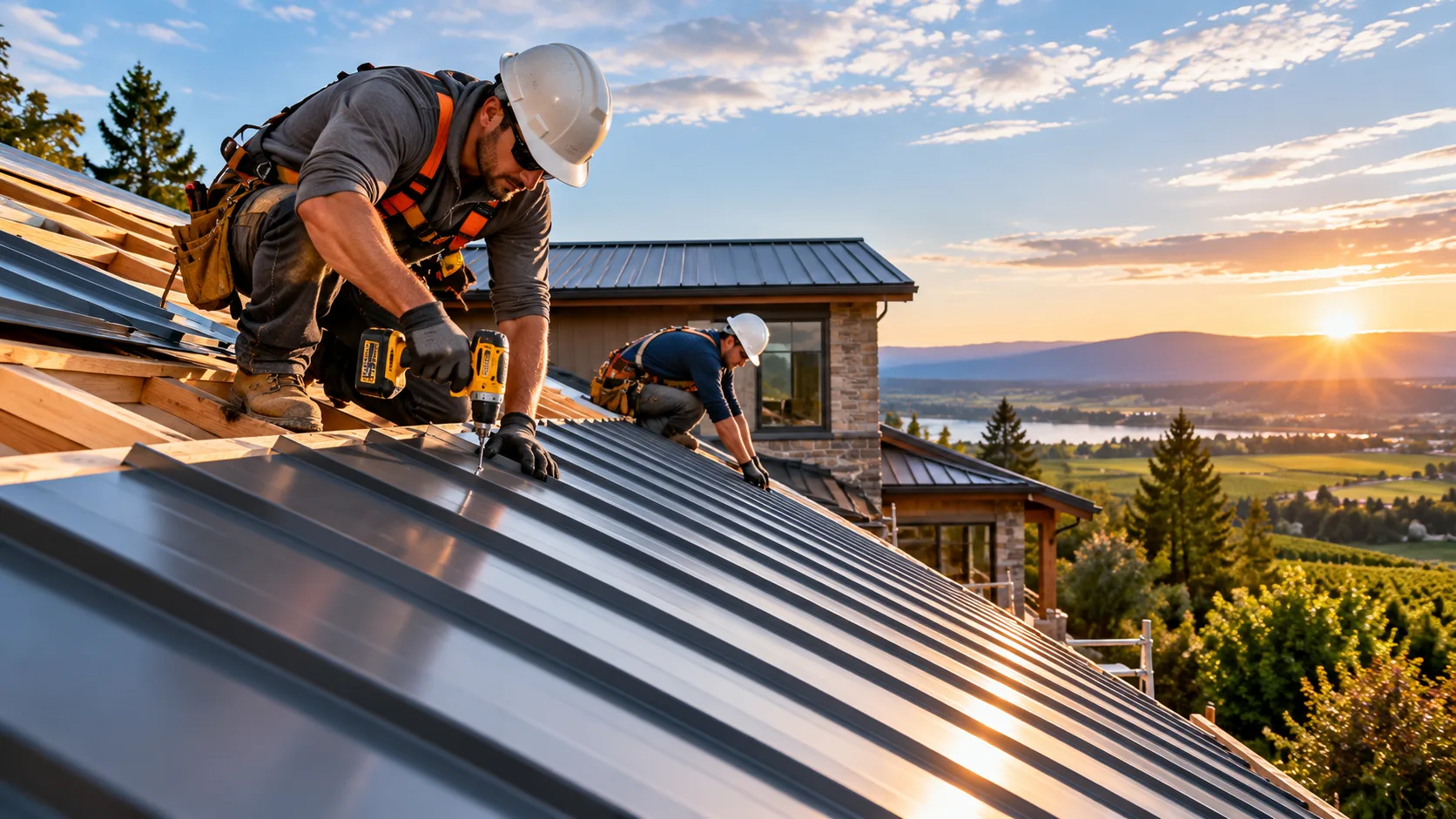
Metal roof installation is becoming an increasingly popular choice among homeowners who want a durable, attractive, and energy-efficient roofing system. Metal roofing offers long-lasting protection against various weather conditions and is available in different materials, colors, and styles. Although the initial installation cost can be higher than traditional asphalt shingles, many homeowners consider metal roofing a worthwhile long-term investment.
Understanding metal roof installation costs and the process involved can help you make informed decisions before starting a roofing project. The final price depends on roof size, material selection, labor requirements, and structural conditions. This guide explains the different types of metal roofing, expected installation expenses, preparation requirements, maintenance considerations, and what homeowners should expect when hiring professional roofing contractors.
What Is Metal Roof Installation?
Metal roof installation involves covering a building’s roof with specially designed metal panels, shingles, or tiles that protect the structure from weather exposure. Common materials include steel, aluminum, copper, and zinc, each offering different characteristics and price ranges. A complete roofing system also includes underlayment, flashing, fasteners, ventilation components, and other materials necessary for reliable performance.
Unlike traditional asphalt shingles, many metal roofing systems use large panels or interlocking sections that create a distinctive appearance. Some designs feature concealed fasteners, while others use visible fastening systems. The appropriate installation method depends on the selected roofing product, roof slope, structural requirements, and manufacturer specifications.
Professional installation is important because metal roofing requires specialized knowledge of panel movement, weatherproofing, and structural compatibility. Improper installation can create leaks, premature corrosion, or damage around roof penetrations. Working with experienced contractors helps ensure the finished roofing system meets applicable building codes and performs according to its intended design.
How Much Does Metal Roof Installation Cost in 2026?
In the United States, metal roof installation commonly costs approximately $5 to $16 per square foot for standard residential systems in 2026. Premium materials and complicated roof designs can push prices considerably higher. These estimates generally include materials and labor, but individual quotes may vary depending on location, roof condition, and project requirements.
For a roof measuring 2,000 square feet, a basic metal roofing project might cost approximately $10,000 to $24,000. A standing seam roof may cost around $18,000 to $32,000 or more for the same roofing area. These figures are broad planning estimates rather than guaranteed prices and may exclude extensive structural repairs.
Homeowners should remember that roof area is not necessarily the same as the home’s interior floor area. Roof pitch, overhangs, architectural features, and multiple sections can increase the surface requiring coverage. Obtaining professional measurements and detailed written estimates is the most reliable way to determine an appropriate installation budget.
Different Types of Metal Roofing Materials
Steel roofing is one of the most widely used options because it offers durability, versatility, and relatively accessible pricing. Galvanized and aluminum-zinc-coated steel products use protective coatings to help resist corrosion. Steel panels are available in various profiles and finishes, making them suitable for traditional houses, modern properties, and certain commercial buildings.
Aluminum roofing is another popular material, particularly in coastal environments where resistance to corrosion is important. It is lightweight and available in several panel styles and colors. Although aluminum can cost more than some steel alternatives, its corrosion-resistant characteristics may make it attractive for homes exposed to humid or salty conditions.
Copper and zinc roofing are premium options appreciated for their distinctive appearance and potentially long service lives. These materials develop natural surface changes over time that can contribute to their architectural character. However, higher material prices and specialized installation requirements mean they are usually more expensive than standard steel or aluminum roofing systems.
Standing Seam vs. Corrugated Metal Roofing
Standing seam metal roofing uses raised seams that connect adjacent panels while concealing many of the fastening components. This design creates a clean, modern appearance and helps reduce direct exposure of certain fasteners to weather. Standing seam systems are often selected for residential properties where appearance, durability, and long-term performance are important priorities.
Corrugated metal roofing features recognizable wavy or ribbed panels that are commonly secured using exposed fasteners. These systems are generally more affordable and can be suitable for various residential, agricultural, and commercial applications. However, exposed screws and washers may require closer maintenance attention as components age and experience repeated weather exposure.
Choosing between standing seam and corrugated roofing depends on budget, architectural preferences, roof design, and maintenance expectations. Standing seam systems typically involve higher material and installation costs, while corrugated panels can provide a more economical solution. Homeowners should compare the complete roofing systems rather than selecting materials solely on appearance or initial price.
Factors That Affect Metal Roof Installation Costs
Roof size is one of the most significant factors influencing installation expenses because larger surfaces require additional materials and labor. However, overall complexity also matters when calculating the final price. Roofs containing numerous valleys, dormers, skylights, or unusual angles often require more specialized work than simple roof designs.
Roof pitch and building height can also affect installation costs by influencing accessibility and labor requirements. Steeper roofs generally require additional safety arrangements, specialized equipment, and more time to complete. Contractors may also charge more when access is restricted or when surrounding landscaping and structures complicate equipment placement.
Material quality, protective coatings, geographic location, and local labor rates contribute to price differences between projects. Additional expenses may arise from permits, existing roof removal, damaged decking, or ventilation improvements. Understanding these factors allows homeowners to evaluate contractor estimates more accurately and recognize why similar houses may receive different roofing quotes.
Metal Roof Labor Costs and Contractor Charges
Professional labor represents a substantial portion of metal roof installation costs because the work requires specialized skills and careful attention to detail. Labor expenses vary according to the roofing system, local wage rates, and project complexity. Standing seam installation often costs more than simpler exposed-fastener systems because of additional equipment and technical requirements.
In many U.S. markets, metal roofing labor may cost approximately $4 to $8 per square foot, although actual rates can fall outside this range. Contractors may include labor within a complete installation estimate rather than charging it separately. Homeowners should request a clear explanation of what the quoted price covers before comparing proposals.
An experienced roofing contractor should understand the selected manufacturer’s installation requirements and applicable local building regulations. Proper licensing where required, suitable insurance, and documented experience are important considerations. Choosing a contractor based entirely on the lowest price may create additional expenses if workmanship problems require future repairs.
What to Expect Before Metal Roof Installation
Before installation begins, a roofing contractor normally evaluates the existing roof and measures the surface requiring coverage. The inspection may identify damaged materials, ventilation concerns, or structural issues that affect the planned project. Homeowners should discuss material preferences, desired appearance, expected costs, and project requirements during this initial assessment.
The contractor may also review local permit requirements and determine whether the existing roofing system needs removal. Some metal roofing products can be installed over certain existing roofs when building codes and manufacturer specifications allow. However, damaged decking, excessive roofing layers, or incompatible conditions may require removal and additional preparation.
Once the project scope is established, homeowners should receive a written estimate describing materials, labor, expected scheduling, and payment conditions. It is important to understand how unexpected repairs will be handled financially. Clear communication before construction begins helps reduce misunderstandings and ensures the homeowner knows what the installation process will involve.
Metal Roof Installation Process Explained
Professional metal roof installation usually begins with preparing the existing roof surface and addressing any necessary structural repairs. Contractors may remove old materials, inspect the roof decking, and replace damaged sections where appropriate. A suitable foundation is essential because underlying defects can affect the performance of the finished metal roofing system.
After preparation, roofing professionals install the specified underlayment and related weather-protection components. They then fit the selected metal panels or roofing sections according to the manufacturer’s approved system. Specialized details around roof edges, valleys, ventilation openings, and penetrations require particular attention to prevent moisture-related problems.
The final stage generally involves completing trim components, checking the installed roofing system, and removing construction debris. Contractors should inspect visible details and arrange any required building inspections before closing the project. Homeowners should receive information about warranties, maintenance requirements, and how to report potential installation concerns after the work is complete.
How Long Does Metal Roof Installation Take?
The time required for metal roof installation depends on roof size, complexity, material selection, and existing structural conditions. A relatively straightforward residential project may take several working days once installation begins. Larger properties or roofing systems involving complicated architectural details can require a longer construction period.
Weather conditions can also influence the project schedule because rain, strong winds, and other hazards may prevent safe roofing operations. Additional delays can occur when contractors discover damaged decking or other unexpected problems. Material availability, permit approvals, and inspection requirements may further affect the overall timeline.
Homeowners should discuss realistic scheduling expectations with their contractor before construction starts. Asking how weather delays, additional repairs, and material delivery problems will be managed can improve planning. A flexible schedule helps accommodate necessary quality checks while avoiding pressure to complete roofing work under unsuitable conditions.
Can You Install a Metal Roof Over Existing Shingles?
Some metal roofing systems can be installed over an existing layer of asphalt shingles, depending on local building codes and manufacturer requirements. This approach may reduce certain removal and disposal expenses. However, the existing roof must meet applicable structural, moisture-control, and installation standards before an overlay can be considered appropriate.
A roof overlay is not suitable when underlying decking is damaged, moisture problems are present, or additional layers are prohibited. Uneven surfaces and incompatible materials may also interfere with proper installation. A professional inspection is necessary to determine whether the existing roofing system provides a suitable foundation for the proposed metal roof.
Removing old shingles can allow contractors to inspect the roof deck more thoroughly and address concealed damage. Although removal increases initial expenses, it may help prevent future complications associated with hidden deterioration. Homeowners should compare both approaches carefully and select the method that meets technical requirements rather than focusing exclusively on immediate savings.
Benefits of Installing a Metal Roof
Durability is one of the main reasons homeowners choose metal roofing over traditional alternatives. Properly selected and installed metal roofing systems can provide decades of service, although lifespan varies by material, coating, environment, and maintenance. Their resistance to several common weather-related problems makes them attractive in many residential applications.
Metal roofing can also contribute to energy efficiency when the selected product has appropriate solar-reflective properties. Certain coatings help reflect solar radiation, which may reduce roof surface temperatures during warm weather. Actual energy savings depend on insulation, ventilation, climate, roof color, and building design rather than the roofing material alone.
Another advantage is the variety of architectural styles available for residential properties. Modern metal roofing can resemble traditional shingles, tiles, or standing seam panels while offering different colors and finishes. This flexibility allows homeowners to select a product that complements their property’s appearance while considering long-term maintenance and performance requirements.
Disadvantages and Challenges of Metal Roofing
The higher upfront cost is one of the main disadvantages of metal roofing compared with conventional asphalt shingles. Premium panel systems and specialized installation can require a significant financial investment. Homeowners planning to sell their property soon may need to consider whether the long-term benefits justify the additional initial expense.
Metal roofs can also produce noticeable sounds during heavy rain or hail, particularly when insulation and roof assembly design are inadequate. However, properly constructed residential roofing systems can significantly reduce this concern. Potential denting from severe hail or falling objects is another consideration, with resistance varying according to metal thickness and material type.
Repairs may require specialized roofing professionals because replacing damaged metal panels can be more complicated than replacing individual asphalt shingles. Certain finishes may also fade or weather over time, depending on product quality and environmental exposure. Understanding these limitations helps homeowners establish realistic expectations before committing to a particular roofing system.
Metal Roof Maintenance and Long-Term Care
Metal roofing is often described as low maintenance, but regular inspections remain important for preserving its performance. Homeowners should arrange appropriate checks for visible damage, loose components, blocked drainage areas, and signs of corrosion. The frequency and scope of maintenance depend on the roofing system, surrounding environment, and manufacturer recommendations.
Tree branches, accumulated leaves, and debris can create problems when they interfere with drainage or damage protective finishes. Gutters and downspouts should be kept functional to direct rainwater away from the building. Roof inspections and cleaning that require working at height should be handled by qualified professionals using appropriate safety precautions.
Maintenance requirements differ between standing seam systems and exposed-fastener panels because their components age differently. Fastener seals, flashing details, protective coatings, and compatible replacement materials may need periodic professional attention. Keeping maintenance records and following manufacturer guidance can help protect warranty coverage and identify potential problems before they develop into expensive repairs.
How to Choose the Right Metal Roofing Contractor
Selecting an experienced roofing contractor is essential because installation quality influences the durability and weather resistance of the finished roof. Homeowners should look for professionals with demonstrated experience in the specific metal roofing system being considered. Relevant licensing, insurance coverage, and familiarity with local building regulations provide additional information about contractor suitability.
Obtaining several detailed written estimates makes it easier to compare prices and understand differences in proposed materials. Each estimate should identify the roofing system, panel specifications, underlayment, flashing details, labor, and potential additional charges. Homeowners should also ask whether the contractor will handle permits, inspections, cleanup, and disposal of existing materials.
Warranty information deserves careful attention because roofing projects may include separate manufacturer and workmanship warranties. Product coverage does not necessarily protect against installation mistakes, and warranty exclusions can differ considerably. Reviewing written agreements, payment schedules, and previous customer feedback helps homeowners make informed decisions before authorizing a roofing project.
Common Metal Roof Installation Mistakes to Avoid
One common mistake is selecting roofing materials without considering climate conditions, corrosion exposure, or the building’s structural requirements. A product suitable for one environment may not perform equally well in another. Consulting qualified roofing professionals and following manufacturer specifications helps ensure that material selection matches the property’s conditions.
Another mistake is overlooking essential components such as underlayment, ventilation, flashing, and appropriate fastening systems. These elements contribute to the roof’s overall weather resistance and long-term functionality. Poorly designed details around skylights, chimneys, and roof valleys can increase the likelihood of moisture problems even when high-quality metal panels are used.
Homeowners should also avoid approving projects based solely on unusually low estimates without understanding what is included. Missing permit costs, inadequate preparation, or unsuitable materials may create unexpected expenses later. Requesting complete documentation and arranging appropriate final inspections helps reduce the risk of workmanship problems and costly future repairs.
Is Metal Roof Installation Worth the Cost?
Whether metal roofing is worth the investment depends on the home’s condition, local climate, budget, and long-term ownership plans. Its higher initial price may be balanced by durability, weather resistance, and potentially reduced replacement frequency. However, actual value depends on the specific roofing product and how effectively the system is installed and maintained.
Homeowners should compare the estimated lifetime costs of different roofing materials rather than focusing only on installation prices. This comparison may include maintenance requirements, expected replacement schedules, potential energy benefits, and warranty conditions. Property value and insurance considerations may also influence the decision, although financial benefits are not guaranteed.
A professionally installed metal roof can be a suitable choice for homeowners prioritizing long-term performance and distinctive architectural appearance. Nevertheless, asphalt shingles and other roofing materials may remain practical alternatives for certain properties and budgets. Reviewing detailed quotes and discussing expectations with qualified contractors helps determine which system provides the most appropriate balance of cost and performance.
Conclusion
Metal roof installation offers homeowners an opportunity to invest in a durable, attractive, and potentially energy-efficient roofing system. Costs vary according to materials, roof size, labor requirements, and structural conditions. Understanding these factors helps homeowners create realistic budgets and compare different roofing options before starting a replacement or new construction project.
The installation process generally involves evaluating the existing roof, preparing the structure, installing weather-protection components, and fitting the selected metal roofing system. Professional workmanship is essential because flashing, ventilation, and panel details influence long-term performance. Choosing experienced contractors and reviewing project documentation can help reduce unexpected expenses and installation problems.
Although metal roofing often requires a higher initial investment than asphalt shingles, its potential longevity and relatively modest maintenance needs can make it appealing. The best decision depends on the property’s requirements, available budget, and expected ownership period. Careful planning, appropriate material selection, and professional installation provide a strong foundation for reliable roofing performance.
Frequently Asked Questions (FAQs)
1. How Much Does It Cost to Install a Metal Roof?
Metal roof installation commonly costs approximately $5 to $16 per square foot for standard systems in the United States. Premium materials, complicated roof designs, structural repairs, and local labor rates can increase expenses.
2. How Long Does It Take to Install a Metal Roof?
A straightforward residential metal roof installation may take several working days. Larger roofs, complicated designs, unfavorable weather, and necessary structural repairs can extend the project timeline.
3. Can a Metal Roof Be Installed Over Shingles?
Yes, certain metal roofing systems can be installed over existing shingles when building codes, structural conditions, and manufacturer specifications permit. A professional inspection is necessary to determine whether this approach is appropriate.
4. How Long Does a Metal Roof Last?
Many properly installed metal roofs can last several decades, with some systems potentially reaching 40 to 70 years or longer. Actual lifespan depends on materials, climate, maintenance, and installation quality.
5. Is Metal Roofing Better Than Asphalt Shingles?
Metal roofing generally offers a longer potential lifespan and different weather-resistance characteristics, but it typically costs more initially. The better choice depends on budget, property design, climate, and long-term ownership plans.