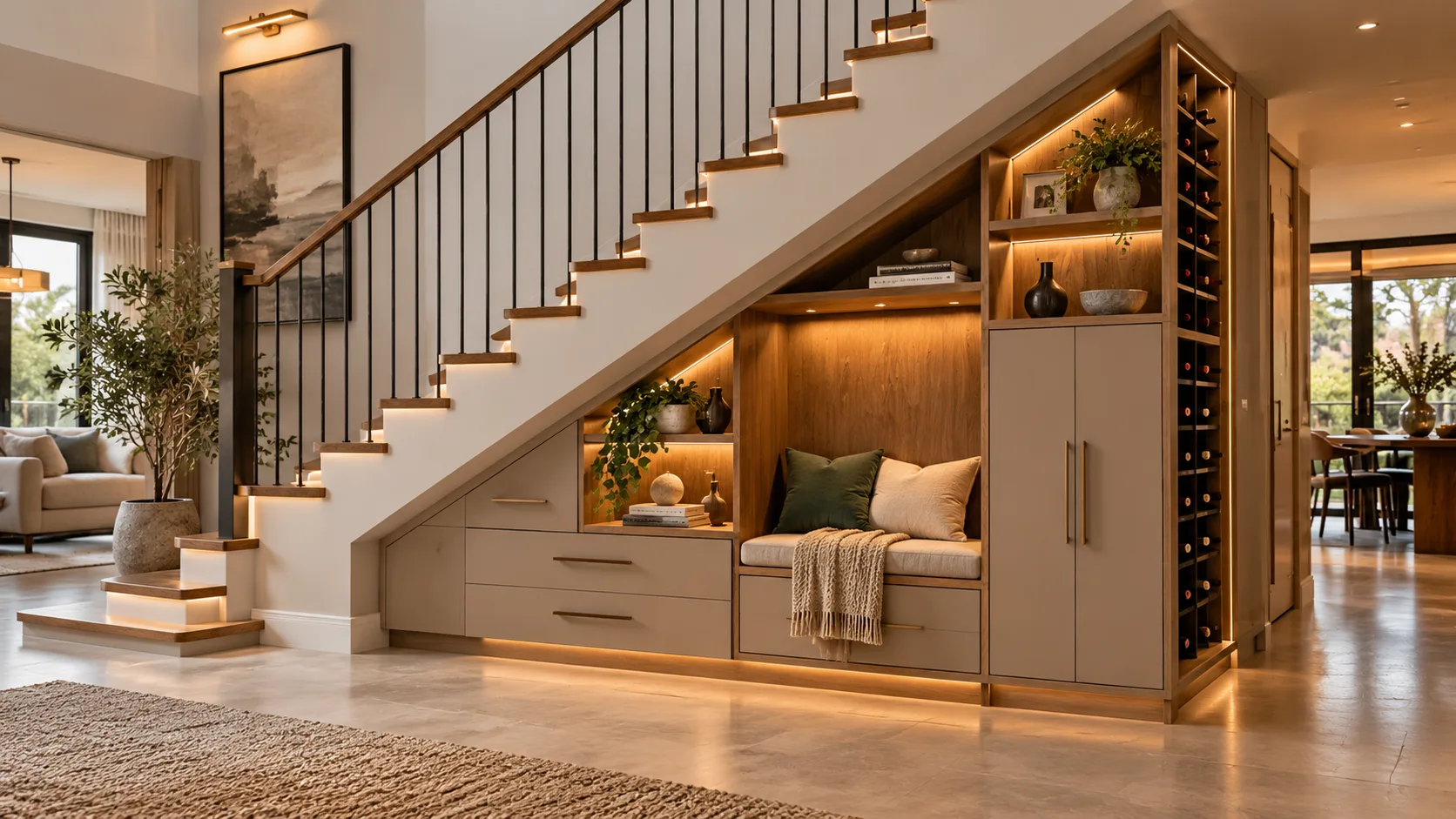
The space beneath a staircase is often one of the most overlooked areas in a home. While many homeowners leave this awkward corner empty or fill it with random household items, it has incredible potential for practical and attractive storage. With thoughtful planning, under stairs storage ideas can transform unused space into an organized, functional feature that complements your interior design without requiring an expensive renovation.
Whether you live in a compact apartment, a modern townhouse, or a spacious family home, utilizing the area beneath your stairs can make everyday living more convenient. From hidden cabinets and pull-out drawers to stylish bookshelves and cozy reading nooks, there are countless ways to maximize this unusual space. The right storage solution can also enhance your home’s appearance by creating a cleaner, more coordinated environment.
Creating luxurious-looking under staircase storage does not necessarily require custom furniture or high-end materials. Clever layouts, simple finishes, attractive hardware, and practical organization techniques can achieve impressive results on different budgets. This guide explores creative under stairs storage solutions, space-saving designs, and affordable decorating tips to help you turn an overlooked corner into a beautiful and useful part of your home.
1. Create Built-In Cabinets for a Seamless Luxury Look
Built-in cabinets are among the most effective under stairs storage ideas because they make awkward spaces appear intentional and organized. Custom-looking cabinetry can follow the staircase slope while providing practical compartments for everyday belongings. When finished in colors that complement surrounding walls, the cabinets create a seamless appearance. This design works particularly well in modern homes where clean lines and uncluttered surfaces are important.
Choose cabinet doors with simple profiles and minimal decorative details for a polished appearance. Shaker-style panels offer timeless charm, while flat-front doors complement contemporary interiors. Painting the cabinets the same color as nearby walls can make the installation feel integrated with the architecture. Alternatively, a contrasting finish can turn the storage area into an attractive focal point.
Inside the cabinets, adjustable shelves and removable organizers provide flexibility for storing different household items. You can keep shoes, cleaning supplies, seasonal decorations, or everyday accessories neatly separated. Soft-close hinges and quality handles add a refined finishing touch without significantly changing the overall design. The result is an elegant storage feature that combines useful organization with sophisticated visual appeal.
2. Install Pull-Out Drawers to Maximize Hidden Storage
Pull-out drawers make excellent use of the narrow and deep spaces commonly found beneath staircases. Unlike traditional cupboards, which may require reaching into awkward corners, drawers bring stored items forward for easier access. This makes them especially useful for shoes, bags, toys, and smaller household essentials. Well-planned drawer systems can improve storage capacity without creating visual clutter.
Tall pull-out compartments can accommodate boots, umbrellas, and other items that require additional height. Smaller drawers work well for accessories, stationery, and everyday objects that might otherwise become misplaced. Full-extension drawer slides allow better access to deeper compartments, while appropriate weight ratings support reliable operation. Selecting suitable hardware helps ensure the storage remains convenient over time.
For a luxurious appearance, match drawer fronts with nearby cabinetry or wall finishes. Recessed handles create a minimalist look, while understated metal pulls add decorative interest. Carefully aligned drawer fronts also contribute to a professionally designed appearance. Although custom systems may require skilled installation, simpler modular drawer units can offer an attractive alternative when dimensions allow.
3. Design a Stylish Under Stairs Shoe Storage Area
Shoes can quickly create clutter around an entrance, particularly in homes with limited hallway storage. Transforming the area beneath your stairs into a dedicated shoe station provides a practical solution. Closed cabinets, angled shelves, and pull-out racks help organize footwear while keeping walkways clear. This arrangement is especially useful when the staircase is located near the front door.
Consider separating frequently worn shoes from seasonal footwear to make everyday routines easier. Lower compartments can accommodate casual shoes, while taller sections provide room for boots. A small drawer for shoe-care supplies can add convenience without taking up much space. Proper ventilation is also important, especially when footwear may occasionally be damp.
For a more polished finish, choose matching storage baskets or discreet cabinet doors that conceal the contents. Neutral colors, smooth surfaces, and simple hardware can create a sophisticated appearance. Adding a nearby mirror or compact seating area may make the entrance feel more welcoming. Thoughtful shoe storage turns a frequently cluttered area into a practical and attractive feature.
4. Build Open Shelving for Books and Decorative Displays
Open shelving is a beautiful option for homeowners who want storage that also enhances their interior design. The triangular space beneath a staircase can accommodate shelves of varying lengths, creating an interesting architectural feature. Books, framed photographs, ceramics, and decorative objects can share the display. This approach works especially well in living rooms and open-plan homes.
Arrange heavier books and larger objects on sturdy lower shelves, while lighter decorations can occupy upper sections. Leave some empty space between groups to prevent the display from looking overcrowded. Combining horizontal and vertical book arrangements creates subtle visual variation. Repeating a few colors or materials helps the shelving feel coordinated with the surrounding room.
Painted wood, natural timber, and durable laminate are common materials for under staircase shelving. Warm wooden shelves create an inviting atmosphere, while white or neutral finishes offer a clean contemporary appearance. Concealed brackets can help achieve a floating effect when properly supported. Carefully styled open shelving transforms practical storage into an attractive feature that feels thoughtfully designed.
5. Turn the Space Into a Cozy Reading Nook
A reading nook beneath the stairs combines comfortable seating with practical storage in one compact area. This design is especially appealing when the staircase is positioned in a quiet corner of the home. A built-in bench, soft cushions, and nearby bookshelves create an inviting place to relax. The surrounding structure can make the nook feel private without requiring an additional room.
Use the lower part of the bench for drawers or lift-up storage compartments when the design allows safe access. These spaces can hold books, blankets, or other lightweight household items. Comfortable seating dimensions and sufficient headroom are important for everyday use. Add a reading light positioned to provide useful illumination without creating glare.
Choose washable cushion covers, soft textiles, and a coordinated color palette to create a refined atmosphere. Warm lighting and simple decorative accessories can make the nook feel especially welcoming. Avoid overcrowding the space with unnecessary furnishings. A thoughtfully planned reading corner offers a charming combination of relaxation, organization, and effective small-space design.
6. Create a Compact Home Office Under the Stairs
An under stairs home office can provide a practical workspace when a separate study is unavailable. The area may accommodate a narrow desk, wall-mounted shelves, and compact storage cabinets. This arrangement is particularly useful for occasional remote work, studying, or managing household paperwork. A well-designed workspace helps make the most of available floor space.
Position the desk where sufficient headroom allows comfortable sitting and movement. Built-in drawers can hold stationery, documents, and electronic accessories, while shelves provide additional organization. Appropriate task lighting is essential because spaces beneath staircases may receive limited natural light. Accessible power outlets and thoughtful cable management also contribute to a functional setup.
For an expensive-looking finish, coordinate the desk surface with nearby woodwork and choose streamlined storage accessories. Neutral wall colors and understated lighting can create a calm working environment. If the area is visible from a living room, concealed cabinets help reduce visual clutter. The finished workspace can appear integrated into the home rather than added as an afterthought.
7. Add a Hidden Pantry for Extra Kitchen Storage
Homes with staircases near the kitchen can benefit from transforming unused space into a compact pantry. Shelving and cabinets provide room for dry groceries, kitchen appliances, and everyday household supplies. This is particularly valuable in smaller homes where traditional kitchen cupboards are limited. A carefully organized pantry can make meal preparation easier without expanding the kitchen itself.
Adjustable shelves are useful for accommodating containers of different heights, while pull-out baskets provide access to items stored deeper inside. Group similar ingredients together and keep frequently used products at convenient heights. Appropriate lighting helps make labels easier to read. Food storage areas should also remain dry, clean, and protected from excessive heat or moisture.
Choose matching containers and simple shelving finishes to create a coordinated appearance. Closed doors can conceal the pantry when it is not being used, maintaining a streamlined interior. If the space contains electrical equipment or plumbing, ensure the installation meets relevant safety requirements. A hidden pantry provides valuable storage while preserving the home’s visual appeal.
8. Install a Built-In Bench With Hidden Storage
A storage bench beneath the staircase offers a convenient combination of seating and organization. It can work especially well in a hallway, where household members need somewhere to sit while putting on shoes. The space below the seat can accommodate drawers, baskets, or enclosed compartments. This design makes an ordinary entrance feel more functional and welcoming.
A bench with front-opening drawers is often convenient because stored items remain accessible without moving cushions. Lift-up seats can also work when suitable hinges and safety supports are installed. Choose a comfortable bench height and make sure nearby walkways remain unobstructed. Rounded edges may be particularly practical in busy family areas.
To create a polished finish, add a fitted seat cushion in a durable fabric that complements the surrounding décor. Decorative hooks or a small wall mirror can complete the entrance arrangement. Matching the bench finish with existing trim helps it appear built into the home. This versatile solution improves everyday convenience while adding an attractive design feature.
9. Create a Minimalist Hidden Storage Wall
A hidden storage wall is ideal for homeowners who prefer uncluttered interiors and discreet organization. Instead of displaying shelves or individual compartments, the entire under stairs area can be covered with coordinated cabinet fronts. This creates the impression of a continuous wall while concealing practical storage. The design is particularly effective in modern and minimalist homes.
Flat-panel doors, concealed hinges, and carefully aligned surfaces contribute to the seamless appearance. Push-to-open mechanisms may reduce the need for visible handles, although they require suitable installation and maintenance. Inside the cabinets, separate compartments can serve different household needs. Shelves, hooks, and baskets provide organization without changing the clean exterior.
For the most cohesive look, match the storage wall with surrounding paint colors or interior finishes. Subtle grooves and understated panel details can add texture without making the design visually busy. Ensure concealed doors remain easy to identify and operate safely. This approach transforms an awkward architectural feature into a sophisticated storage solution that feels intentionally integrated.
10. Use Woven Baskets and Modular Storage for a Budget-Friendly Makeover
Not every under stairs storage project requires permanent construction or expensive cabinetry. Modular shelves, storage cubes, and woven baskets can transform an unused corner at a relatively modest cost. These flexible solutions are especially useful for renters or homeowners who prefer reversible changes. They also allow storage arrangements to evolve as household needs change.
Measure the available height, width, and depth before purchasing furniture or organizers. Choose units that fit comfortably beneath the staircase without blocking nearby walkways. Baskets can hold scarves, toys, accessories, and other lightweight belongings. Labeling containers helps household members return items to their proper locations without searching through multiple storage areas.
A coordinated selection of baskets and shelves can appear surprisingly refined when colors and materials work together. Natural textures complement rustic and Scandinavian interiors, while simple matching boxes suit contemporary spaces. Secure freestanding units against tipping where appropriate. This affordable approach demonstrates that smart organization and consistent styling can create an expensive-looking result.
11. Add Warm Lighting to Elevate Under Stairs Storage
Lighting plays an important role in making under staircase storage both functional and attractive. These spaces often receive limited natural illumination, especially when enclosed by walls or positioned away from windows. Thoughtfully placed lights make stored items easier to locate. They can also emphasize cabinetry, decorative shelves, and architectural details that might otherwise remain unnoticed.
LED strip lighting beneath shelves can create a soft glow while highlighting displayed objects. Cabinet lights may improve visibility inside deeper compartments, particularly when activated by door sensors. Warm white lighting often complements natural wood and neutral interiors. Choose fixtures suitable for enclosed spaces and follow electrical safety recommendations during installation.
For a sophisticated appearance, conceal lighting components whenever possible and avoid excessive brightness. A consistent light temperature helps the storage area blend with nearby rooms. Battery-powered lighting may suit certain temporary setups, while hardwired systems usually require appropriate professional installation. Carefully selected illumination can make even simple under stairs storage feel polished and intentionally designed.
12. Choose Premium-Looking Colors and Materials
The materials and colors used in under stairs storage have a strong influence on its overall appearance. Expensive-looking designs often rely on consistent finishes, clean lines, and thoughtful details rather than costly products. Natural wood tones, soft neutrals, and deep accent colors can all create attractive results. The most suitable combination depends on the surrounding interior style.
Light oak finishes and warm white cabinetry work beautifully in Scandinavian-inspired spaces. Dark navy, charcoal, and muted green can create a more dramatic appearance, particularly when paired with understated metal hardware. Painted MDF and quality laminates may provide budget-friendly alternatives to solid wood for suitable applications. Choosing durable materials helps the storage maintain its appearance.
Avoid combining too many unrelated finishes within a compact storage area. Repeating colors or textures found elsewhere in the room creates visual continuity. Small details such as aligned cabinet fronts, attractive handles, and neat trim can improve the finished result. A restrained material palette often creates a more refined impression than unnecessary decorative complexity.
13. Plan Under Stairs Storage Around Safety and Accessibility
Before transforming the area beneath a staircase, consider its structure and existing services. Some staircases contain load-bearing elements, electrical wiring, plumbing, or other building components that should not be altered casually. Storage construction must not weaken structural supports or interfere with necessary access. Professional assessment may be appropriate before undertaking significant alterations.
Fire safety and ventilation also matter, particularly when creating enclosed cupboards or spaces used for electrical equipment. Local building requirements may restrict certain modifications or storage uses. Avoid storing hazardous substances near heat sources or placing belongings where they obstruct escape routes. Safe design should remain a priority even when the main objective is creating a more attractive interior.
Accessibility is another important consideration because awkward corners can become difficult to use over time. Pull-out shelves, drawers, and well-positioned handles may improve convenience for different household members. Plan the layout around items that will be stored most frequently. Combining safe construction with practical access ensures the finished storage remains useful beyond its initial appearance.
14. Style Your Under Stairs Storage to Look Custom-Made
Creating a custom-made appearance does not always require ordering entirely bespoke furniture. Carefully selected prefabricated cabinets can sometimes be adapted to fit the available area. Matching trim, coordinated finishes, and consistent hardware help different components appear connected. This approach can offer an attractive balance between affordability and personalized design.
Accurate measurements are essential because staircase spaces often include sloping ceilings and irregular corners. Create a simple layout before purchasing materials, noting door clearance and usable storage depth. Filler panels and appropriately installed finishing pieces can help reduce visible gaps. Professional assistance may be worthwhile when modifications involve structural elements or complex cabinetry.
Finish the project with thoughtful organization rather than filling every compartment immediately. Keep frequently used belongings accessible and reserve less convenient areas for occasional storage. Use a consistent arrangement of baskets, dividers, and decorative objects when appropriate. These finishing touches can make an affordable under stairs storage project look carefully planned and professionally completed.
Conclusion
The best under stairs storage ideas combine practical organization with attractive interior design. From built-in cabinets and pull-out drawers to reading nooks, home offices, and hidden pantries, this overlooked space offers valuable possibilities. Choosing the right solution depends on the staircase layout, household needs, and available budget. Even simple changes can create a more functional and visually appealing home.
Creating an expensive-looking result does not necessarily require premium materials or extensive renovation work. Coordinated colors, quality hardware, thoughtful lighting, and neat finishes can significantly improve the appearance of affordable storage solutions. Planning around accessibility and safety is equally important. A successful design should make everyday living easier while complementing the surrounding architecture.
Ultimately, the area beneath your staircase can become much more than an unused corner. Whether you prefer minimalist cabinetry, rustic shelving, or a cozy seating area, thoughtful design can transform it into a valuable feature. Start by measuring the available space and identifying your storage priorities. With practical planning and creative styling, even a modest project can deliver impressive results.
Frequently Asked Questions (FAQs)
1. What is the best way to use space under the stairs?
The best solution depends on your layout and storage needs. Popular options include built-in cabinets, pull-out drawers, shoe racks, bookshelves, and compact home offices that maximize otherwise unused space.
2. How can I make under stairs storage look expensive?
Use coordinated cabinet finishes, simple hardware, concealed storage, and thoughtful lighting. Matching surrounding wall colors and maintaining neat edges can create a polished, custom-built appearance without requiring luxury materials.
3. Can I create under stairs storage on a small budget?
Yes, modular shelves, storage cubes, baskets, and affordable cabinetry can provide practical solutions. Accurate measurements, coordinated colors, and organized containers help make inexpensive materials look attractive and intentional.
4. Is it safe to build storage underneath stairs?
Storage can be safe when it does not compromise structural supports, ventilation, fire safety, or access routes. Significant modifications should follow local building requirements and may require professional assessment.
5. What can I store in under stairs cabinets?
Under stairs cabinets can hold shoes, bags, books, cleaning supplies, seasonal decorations, and household accessories. Choose suitable compartments and avoid storing hazardous materials or items requiring special environmental conditions.