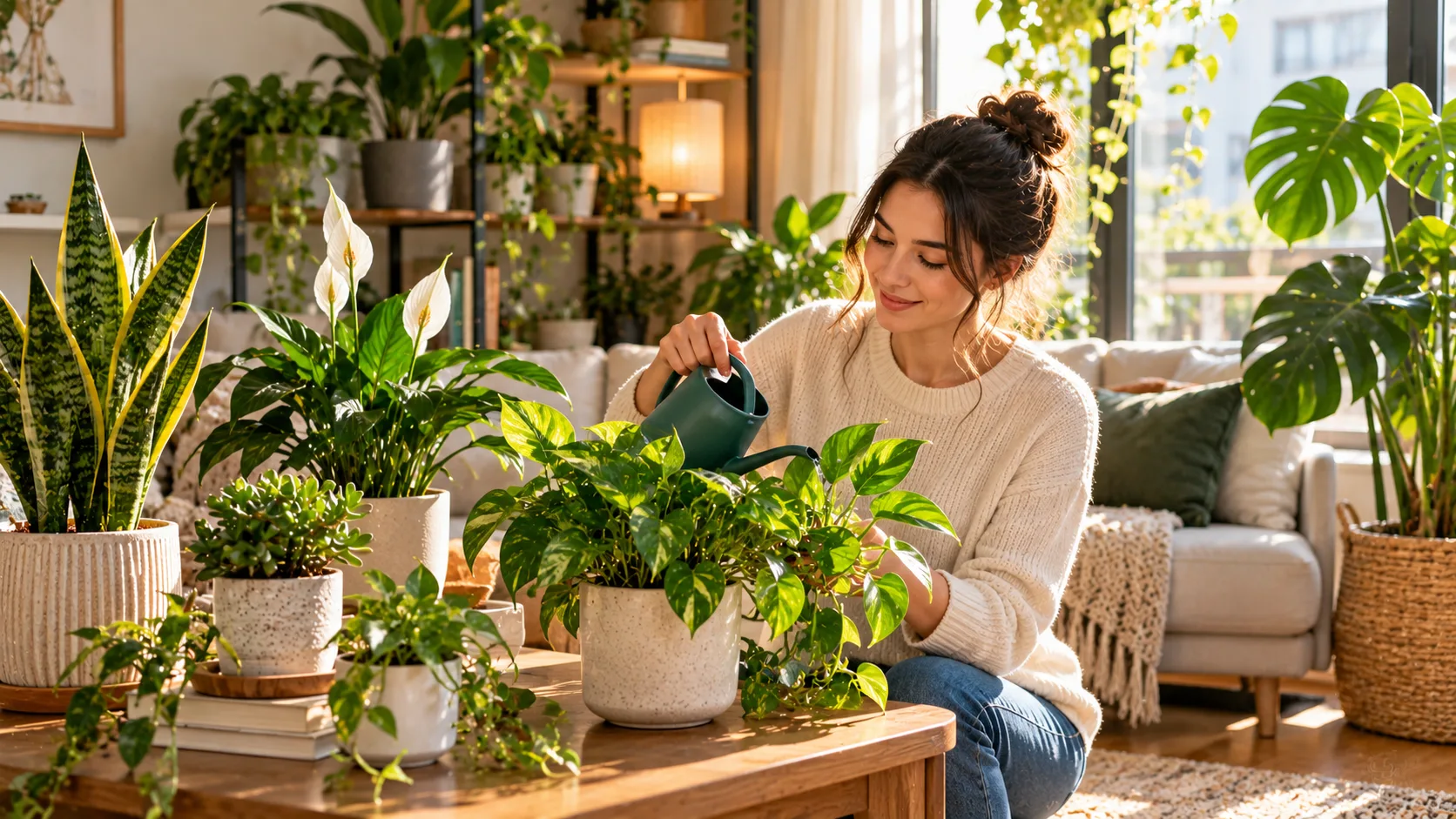
Indoor plants are an easy way to bring natural beauty, freshness, and a welcoming atmosphere into your home. Whether you live in a small apartment or a spacious house, greenery can make ordinary rooms feel more inviting. However, many people hesitate to grow houseplants because they worry about watering schedules, sunlight requirements, and keeping plants healthy.
The good news is that several low-maintenance indoor plants thrive with relatively little attention. Some tolerate occasional missed watering, while others adapt well to indirect light and typical indoor temperatures. This guide explores the best indoor plants for beginners and busy people, along with practical care tips to help you create a beautiful indoor garden without unnecessary effort.
Why Low-Maintenance Indoor Plants Are Perfect for Beginners
Low-maintenance indoor plants are ideal for people who want beautiful greenery without spending hours on plant care. Many beginner-friendly houseplants can tolerate occasional watering mistakes, changing indoor conditions, and less-than-perfect growing environments. Their adaptability makes them suitable for students, working professionals, and anyone developing their gardening skills for the first time.
Another advantage is that easy-care houseplants can fit naturally into different living spaces. Small varieties look attractive on desks and shelves, while larger plants can become decorative features in living rooms. Choosing plants that match your home’s natural light and available space can make indoor gardening significantly easier and more enjoyable.
Although these plants require less attention than delicate species, they are not completely maintenance-free. Every houseplant still needs suitable light, occasional watering, and proper drainage to remain healthy. Learning a few basic care principles can prevent common problems and help your indoor plants grow successfully over time without creating a demanding routine.
Snake Plant: One of the Easiest Indoor Plants
The snake plant is among the best indoor plants for beginners because of its impressive tolerance for different growing conditions. Its upright, sword-shaped leaves create a modern appearance that complements bedrooms, offices, and living rooms. This hardy houseplant can handle occasional missed watering and adapts to a range of indoor lighting environments.
Snake plants grow best in bright, indirect sunlight but can survive in lower-light areas where growth becomes slower. Their thick leaves store moisture, allowing the plant to tolerate periods of dry soil. Overwatering is a more common problem than underwatering, so allowing the potting mix to dry substantially between watering sessions is important.
Another reason snake plants are popular is their compact growth pattern and minimal maintenance requirements. They rarely need pruning beyond removing damaged leaves and usually require repotting only when their roots become crowded. However, snake plants are toxic to cats and dogs if eaten, so households with curious pets should consider safer alternatives.
ZZ Plant: A Great Choice for Busy People
The ZZ plant is an excellent option for people with demanding schedules who cannot check their houseplants every day. Its glossy, dark green leaves create an elegant appearance, making it suitable for modern offices and home interiors. Underground rhizomes store water, helping the plant tolerate occasional periods of dry soil.
ZZ plants perform well in medium to bright indirect light and can survive in lower-light conditions. However, very dark spaces may slow growth considerably and reduce the plant’s overall appearance. Allowing the soil to dry between watering sessions is essential because constantly wet potting mix can damage the roots and underground rhizomes.
This resilient indoor plant usually needs little pruning and adapts well to typical household temperatures. Its slow growth makes it practical for smaller rooms and spaces where frequent repotting would be inconvenient. Like several other ornamental houseplants, ZZ plants contain irritating compounds and should remain inaccessible to pets and young children who may chew their leaves.
Pothos: A Beautiful Trailing Plant for Indoor Spaces
Pothos is one of the most recognizable beginner-friendly houseplants, admired for its heart-shaped leaves and attractive trailing vines. It looks beautiful in hanging planters, on bookshelves, or cascading from elevated plant stands. Different varieties feature green, yellow, cream, or white leaf patterns, allowing homeowners to choose styles that complement their interior decoration.
Pothos grows best in bright, indirect light but can tolerate moderately low-light environments. Variegated varieties often need brighter conditions to maintain their colorful leaf patterns. The plant generally prefers watering after the upper portion of the soil has dried, making it relatively forgiving of occasional delays in routine care.
Regular trimming can encourage fuller growth and prevent vines from becoming excessively long. Pothos also adapts well to propagation through stem cuttings, making it an interesting plant for beginners learning simple gardening techniques. However, its leaves contain calcium oxalate crystals and are toxic when chewed, so it is unsuitable for accessible areas around curious pets.
Spider Plant: An Easy-Care Plant for Hanging Baskets
Spider plants are popular indoor houseplants because of their arching leaves, compact roots, and distinctive baby plantlets. Their green and white striped foliage brings a cheerful appearance to shelves, windowsills, and hanging baskets. They are especially appealing to beginners because established plants generally adapt well to ordinary indoor conditions and recover from minor care mistakes.
Spider plants prefer bright, indirect sunlight, although they can tolerate some shade. They grow best when watered after the upper layer of soil begins to dry rather than remaining constantly wet. Brown leaf tips sometimes develop because of inconsistent watering, mineral accumulation, or dry indoor conditions, but they do not always indicate serious plant damage.
One enjoyable feature of spider plants is their ability to produce small offshoots that can develop into new plants. These baby plants make propagation simple and rewarding for beginners interested in expanding their collection. Spider plants are generally considered non-toxic to cats and dogs, making them a useful option for pet-friendly indoor gardening.
Peace Lily: Elegant Greenery for Indoor Rooms
The peace lily is a popular decorative houseplant known for its glossy leaves and distinctive white floral structures. Its elegant appearance makes it suitable for living rooms, hallways, and office spaces. Although peace lilies are relatively manageable for beginners, they require more consistent moisture than drought-tolerant options such as snake plants or ZZ plants.
Peace lilies generally prefer medium to bright indirect light, although they can survive in lower-light conditions. Flowering is usually more reliable when sufficient indirect sunlight is available. These plants appreciate evenly moist but well-drained soil, and their leaves may droop noticeably when the potting mix becomes excessively dry.
A peace lily can be rewarding for someone willing to check soil moisture regularly without following a complicated care schedule. Removing faded blooms and damaged leaves helps maintain its attractive appearance. Despite its popularity, this plant contains calcium oxalate crystals that can irritate the mouth and digestive system if eaten by pets or children.
Cast Iron Plant: A Hardy Houseplant for Low-Light Rooms
The cast iron plant earns its name from its remarkable tolerance for challenging indoor growing conditions. Its broad, deep green leaves create a classic appearance that works well in bedrooms, entryways, and shaded corners. This slow-growing houseplant is particularly suitable for beginners who want dependable greenery without frequently adjusting their plant care routine.
Cast iron plants tolerate low to medium indirect light and generally prefer protection from strong direct sunlight. Their leaves can develop scorch marks when exposed to excessive afternoon sun. Watering should take place after the upper soil layers have dried, while containers with drainage holes help prevent waterlogged roots and related problems.
Because cast iron plants grow slowly, they typically require less frequent repotting than many faster-growing houseplants. Occasional cleaning removes dust from the broad leaves and keeps their appearance attractive. This plant is generally considered non-toxic to cats and dogs, making it a practical choice for households searching for low-maintenance, pet-friendly greenery.
Chinese Evergreen: Colorful Foliage With Simple Care
Chinese evergreen plants are admired for their beautiful patterned leaves and ability to adapt to indoor environments. Depending on the variety, foliage may feature combinations of green, silver, cream, or pink. Their attractive appearance makes them a popular choice for adding color to home offices, bedrooms, and living rooms without relying on flowering plants.
Most Chinese evergreen varieties prefer moderate to bright indirect light, although some green-leaved types tolerate lower-light conditions. More colorful cultivars may need brighter indirect sunlight to maintain their leaf patterns. Watering should generally occur when the upper portion of the potting mix feels dry, while consistently saturated soil should be avoided.
Chinese evergreens appreciate stable indoor temperatures and protection from cold drafts. Their relatively slow growth reduces the need for frequent pruning, although yellow or damaged leaves can be removed when necessary. These plants contain irritating calcium oxalate crystals, so people with pets or young children should place them safely out of reach.
Jade Plant: A Low-Watering Succulent for Sunny Rooms
The jade plant is a beautiful succulent recognized for its thick, rounded leaves and woody stems. Its compact, tree-like appearance makes it an attractive addition to sunny windowsills, desks, and small indoor plant displays. Because its fleshy leaves store moisture, a jade plant can tolerate longer periods between watering sessions than many tropical houseplants.
Unlike plants that perform well in shade, jade plants need plenty of bright light to maintain healthy growth. A sunny indoor location is often ideal, although plants should be introduced gradually to stronger sunlight to avoid leaf damage. Their potting mix should dry thoroughly between waterings, and containers must allow excess moisture to escape.
Jade plants grow slowly and can become long-lasting decorative features when provided with appropriate conditions. Occasional pruning helps maintain their shape, while succulent potting mix supports healthy root development. However, jade plants are toxic to cats and dogs, making pet-safe placement an important consideration when choosing where to display them.
Parlor Palm: Tropical Beauty With Minimal Effort
The parlor palm is an attractive indoor palm that brings a soft tropical appearance to everyday living spaces. Its delicate, arching fronds create a graceful look without requiring the extensive space needed by larger palm species. This plant is especially appealing to beginners who want natural greenery that complements traditional and contemporary interior designs.
Parlor palms prefer medium to bright indirect light and can tolerate somewhat lower-light conditions. Direct afternoon sunlight may damage their delicate leaves, making filtered light a better option. Watering should occur after the upper layer of soil begins to dry, while consistently wet conditions can cause root problems.
These palms generally grow slowly and adapt reasonably well to normal household environments. They may develop brown leaf tips when exposed to very dry air, accumulated minerals, or inconsistent watering. Parlor palms are generally considered non-toxic to cats and dogs, making them a popular option for people creating pet-friendly indoor spaces.
How to Choose Indoor Plants Based on Light Conditions
Understanding natural light is one of the most important steps when selecting the best indoor plants for your home. Some houseplants thrive near bright windows, while others tolerate lower-light corners. Choosing a plant according to actual room conditions helps prevent weak growth, yellowing leaves, and unnecessary problems caused by insufficient sunlight.
Rooms with bright, indirect light can support many popular houseplants, including pothos, spider plants, and Chinese evergreens. Sunnier windows may suit jade plants and other light-loving succulents, depending on exposure. Shadier rooms can accommodate tolerant varieties such as cast iron plants and ZZ plants, although complete darkness is unsuitable for normal plant growth.
Window direction, nearby buildings, curtains, and seasonal changes can influence how much sunlight reaches a particular location. Observing your space throughout the day provides a useful starting point for plant selection. When natural light is consistently insufficient, a suitable indoor grow light may help maintain healthier growth without requiring major changes to your home’s layout.
Simple Indoor Plant Care Tips for Beginners
Watering is one of the most common challenges for beginners, especially when managing several houseplants with different moisture requirements. Instead of following a rigid calendar, check the potting mix before watering. Many popular indoor plants prefer their soil to dry partially between waterings, while drought-tolerant succulents generally need longer drying periods.
Drainage is equally important because excess water can damage roots and encourage fungal problems. Use containers with suitable drainage holes and choose potting mixes designed for the plant’s needs. Empty standing water from decorative outer containers, and avoid assuming that every plant requires the same amount of water or identical growing conditions.
Basic maintenance also includes removing dead leaves, checking for insects, and cleaning accumulated dust from foliage. Fertilizer may support growth during active growing periods, but overfertilizing can damage sensitive roots. A simple routine involving occasional observation, appropriate watering, and seasonal adjustments is usually more useful than complicated maintenance schedules.
Common Indoor Plant Mistakes and How to Avoid Them
Overwatering is among the most frequent mistakes made by new houseplant owners. Excess moisture reduces oxygen availability around roots and can lead to decay, yellowing leaves, and weakened growth. Understanding each plant’s moisture preferences and using well-draining containers helps prevent problems before they become difficult to correct.
Another common mistake is placing plants in unsuitable lighting conditions. Low-light tolerant plants may survive in shaded areas, but they still require enough light to support healthy growth. Similarly, exposing shade-loving foliage to intense direct sunlight can cause scorching, discoloration, and stress that affects the plant’s overall appearance.
Beginners sometimes move plants too frequently, use excessive fertilizer, or repot unnecessarily when growth slows. Many indoor plants naturally grow more slowly during cooler seasons when daylight decreases. Observing leaves, checking soil conditions, and making gradual adjustments are often more effective than repeatedly changing several aspects of care at once.
Conclusion
Choosing the best indoor plants for beginners and busy people begins with understanding your home’s lighting conditions, available space, and daily routine. Hardy varieties such as snake plants, ZZ plants, pothos, and cast iron plants provide attractive greenery without demanding constant attention. Each offers different advantages, making it easier to find a suitable plant for your living environment.
For people who enjoy decorative foliage, spider plants, Chinese evergreens, and parlor palms can add beautiful natural texture to indoor spaces. Jade plants work particularly well in brighter locations, while peace lilies suit people willing to provide more consistent moisture. Pet owners should also consider plant toxicity before introducing new greenery into their homes.
Indoor gardening does not need to be complicated or time-consuming. Starting with one or two suitable houseplants allows you to develop confidence while learning how light, water, and drainage affect growth. With realistic expectations and simple maintenance habits, even the busiest people can enjoy a welcoming home filled with healthy, beautiful plants.
Frequently Asked Questions
What is the easiest indoor plant to keep alive?
Snake plants and ZZ plants are among the easiest indoor plants because they tolerate occasional missed watering and different lighting conditions. However, both require proper drainage and should be kept away from pets.
Which indoor plants need the least sunlight?
Cast iron plants, ZZ plants, and some Chinese evergreen varieties tolerate relatively low indoor light. However, all living plants require some light, and growth may become slower in darker spaces.
How often should beginners water indoor plants?
Watering frequency depends on the plant, potting mix, temperature, and lighting conditions. Check soil moisture before watering instead of following a fixed schedule, and avoid leaving roots in standing water.
What are the best pet-friendly indoor plants for beginners?
Spider plants, parlor palms, and cast iron plants are generally considered non-toxic to cats and dogs. However, preventing pets from chewing houseplants is still advisable because plant material can cause digestive discomfort.
Can indoor plants grow without direct sunlight?
Yes, many indoor plants grow successfully in bright or moderate indirect sunlight. Varieties such as pothos, spider plants, and parlor palms usually do not require direct sun when sufficient ambient light is available.