What Is the Safest Place to Live in the USA?
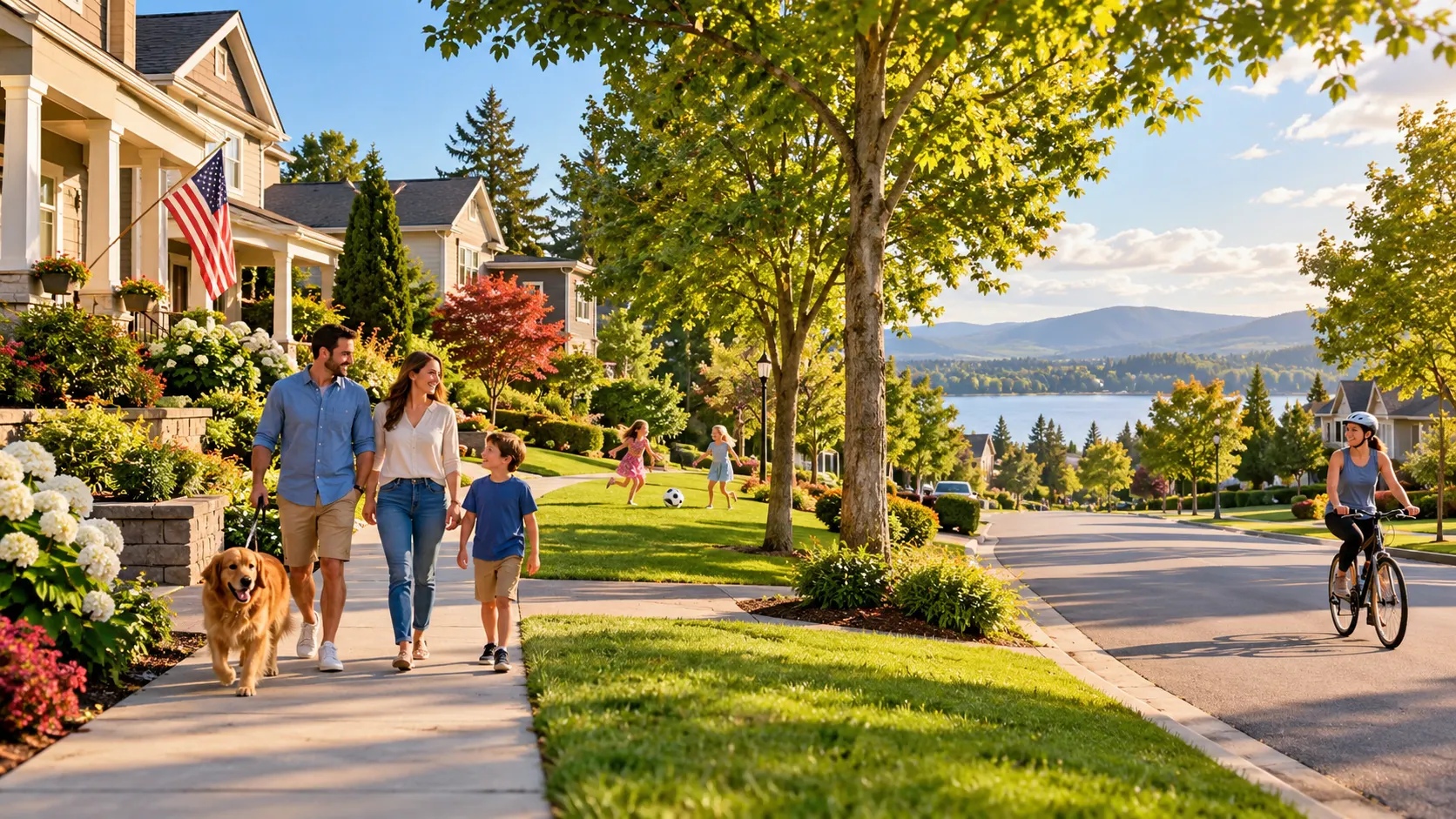
Finding the safest place to live in the USA is an important consideration for families, working professionals, retirees, and anyone planning a fresh start. Safety involves more than simply choosing a city with low crime rates. A truly comfortable community should also provide reliable healthcare, good schools, well-maintained infrastructure, and a welcoming environment where residents can enjoy everyday life with greater peace of mind.
Across the United States, numerous cities and smaller communities stand out for their relatively low crime levels and desirable living conditions. Places such as Carmel, Indiana, Irvine, California, and several well-established suburban communities frequently appear in safety discussions. However, rankings vary depending on whether researchers examine violent crime, property crime, traffic safety, or broader quality-of-life indicators.
Choosing a safe place to live requires balancing personal priorities with reliable information about each location. Housing affordability, employment opportunities, natural disaster exposure, and access to essential services can all influence the decision. Understanding these factors makes it easier to identify communities that offer both security and a lifestyle suited to your needs.
Why Carmel, Indiana, Is Considered One of America’s Safest Cities
Carmel, Indiana, is a well-known suburban city north of Indianapolis that attracts attention for its residential neighborhoods and community amenities. In MoneyGeek’s 2026 analysis of cities with populations above 100,000, Carmel ranked first based on estimated crime costs per resident. This distinction makes it a particularly interesting option for people researching safe American cities with comfortable suburban environments.
Beyond its crime-related reputation, Carmel offers attractive parks, recreational trails, shopping destinations, and thoughtfully developed residential areas. The city’s extensive roundabout network also reflects its emphasis on transportation planning and traffic management. These features create opportunities for residents to enjoy outdoor activities, convenient commuting, and everyday experiences within a community designed around accessibility.
However, Carmel’s high safety ranking does not automatically make it the best destination for every household. Housing prices, property taxes, winter weather, and proximity to employment opportunities should also influence relocation decisions. Comparing specific neighborhoods and reviewing current local crime information can help determine whether Carmel fits your lifestyle, expectations, and long-term financial plans.
Irvine, California: A Safe City With Excellent Living Standards
Irvine, California, is another frequently recognized destination for people seeking a safe and well-planned urban environment. Located in Orange County, the city features carefully designed residential communities, landscaped public spaces, and extensive recreational facilities. It also ranked as the lowest-crime-cost city among communities with more than 300,000 residents in MoneyGeek’s 2026 analysis.
One of Irvine’s appealing characteristics is its combination of educational opportunities, employment centers, and outdoor recreation. Residents have access to parks, walking trails, community facilities, and nearby coastal destinations. The city’s location also provides connections to technology, healthcare, education, and business industries, making it attractive for individuals interested in professional development and convenient everyday amenities.
Despite these advantages, Irvine’s relatively expensive housing market can create challenges for households working within a limited budget. Rental costs, transportation expenses, and general living costs deserve careful consideration before relocating. Prospective residents should evaluate different neighborhoods, compare housing options, and balance the city’s safety reputation against their personal financial circumstances.
San Jose, California: A Safer Option Among Major US Cities
San Jose, California, offers an interesting combination of metropolitan amenities, career opportunities, and comparatively favorable safety indicators. In SmartAsset’s 2025 analysis of 50 major American cities, San Jose ranked first using multiple measures of public safety and health. These included reported crime, traffic fatalities, and selected health-related risks, providing a broader perspective than crime statistics alone.
Located in Silicon Valley, San Jose is known for its technology industry, diverse communities, and access to recreational destinations. Residents can explore neighborhood parks, shopping districts, cultural attractions, and nearby natural landscapes. The city also provides employment opportunities across several professional sectors, although individual experiences depend heavily on occupation, neighborhood, and transportation needs.
Living in San Jose requires careful financial planning because housing and everyday expenses can be considerably higher than in many American cities. Traffic congestion and differences between neighborhoods may also affect daily convenience. Anyone considering relocation should examine neighborhood-level safety information, housing affordability, commuting distances, and available services before making a final decision.
Other Safe Communities Worth Considering in America
Several smaller American communities deserve attention when exploring alternatives to major metropolitan areas. Lexington, Massachusetts, Brookfield, Wisconsin, and Carmel, Indiana, performed strongly in WalletHub’s 2026 assessment of small cities for overall livability. Such communities may appeal to residents seeking suburban surroundings, access to local amenities, and a quieter environment without completely separating themselves from nearby urban centers.
Columbus, Indiana, also deserves consideration because it ranked first in MoneyGeek’s 2026 analysis of smaller cities and towns based on crime-related costs. This Midwestern community offers a distinctive architectural heritage, public spaces, and a smaller-city atmosphere. As with any location, prospective residents should review current neighborhood conditions rather than relying exclusively on a national ranking.
Other communities may provide similarly attractive living experiences even when they do not appear at the top of widely published lists. Some offer strong public services, accessible parks, or comparatively affordable housing in established residential neighborhoods. Exploring different city sizes and regions helps potential movers discover options that align with their preferred lifestyle, employment requirements, and household needs.
How Crime Rates Influence the Safety of American Cities
Crime statistics are among the most commonly used indicators when comparing the safest places to live in America. Researchers typically examine violent offenses, including robbery and aggravated assault, alongside property-related offenses such as burglary and vehicle theft. Comparing incidents relative to population size provides a more meaningful perspective than simply examining the total number of crimes reported.
However, crime rates should always be interpreted carefully because reporting practices, population patterns, and local circumstances can influence the results. A city with a low overall crime rate may still contain neighborhoods with different levels of safety. Similarly, a location experiencing a recent improvement may not immediately reflect that progress in older national rankings or published comparisons.
The FBI’s national crime reporting program offers valuable information for examining broader public safety trends across the country. Its estimates indicated that violent and property crime both declined nationally from 2024 to 2025, although local experiences varied. Reviewing multiple years of data and comparing individual neighborhoods provides a more balanced understanding of actual living conditions.
Affordable and Safe Places to Live in the United States
Affordability plays a significant role when deciding where to establish a comfortable and secure home. Some of America’s highly regarded residential communities have expensive property markets, which may limit their practicality for certain households. Looking beyond major coastal cities can reveal smaller metropolitan areas and suburban communities where housing costs may be easier to manage.
Midwestern communities often attract attention because some offer comparatively moderate housing expenses alongside access to schools, healthcare, and recreational amenities. Parts of Indiana, Wisconsin, and other central states provide various residential options worth investigating. However, affordability differs substantially between neighborhoods, and inexpensive housing does not necessarily indicate that an area is safe or suitable.
The smartest approach involves comparing total living expenses rather than focusing only on monthly rent or home purchase prices. Transportation, utilities, insurance, property taxes, and healthcare costs can significantly affect a household budget. Choosing a community that balances safety, reasonable expenses, and reliable employment opportunities can support greater financial stability and everyday comfort.
Natural Disaster Risks When Choosing a Safe Place to Live
Crime prevention is only one aspect of personal safety when evaluating American cities and neighborhoods. Natural hazards such as hurricanes, flooding, wildfires, tornadoes, and earthquakes can influence long-term living conditions. Understanding the environmental risks associated with a particular region helps households make informed decisions about housing, insurance coverage, and emergency preparedness.
Coastal communities may face hurricanes and storm-related flooding, while some western regions experience wildfire or earthquake hazards. Certain central states also encounter severe thunderstorms and tornadoes during particular seasons. These risks vary considerably within individual states and counties, making property-specific research more useful than broad assumptions about an entire region.
Before relocating, investigate local flood zones, historical weather events, emergency management services, and the condition of essential infrastructure. Buildings constructed to appropriate safety standards may offer greater protection against certain environmental hazards. Considering insurance availability and potential disaster-related expenses can also help determine whether a location remains practical over the long term.
Healthcare, Schools, and Community Services Matter for Safety
Access to dependable healthcare services contributes significantly to the overall attractiveness of a residential community. Nearby hospitals, emergency departments, primary care providers, and specialist services can make everyday life more convenient. For households with specific medical requirements, the availability of appropriate healthcare professionals may be just as important as reported neighborhood crime rates.
Schools and educational resources also influence how families evaluate potential places to live. Convenient transportation, well-maintained facilities, supportive learning environments, and accessible extracurricular activities can improve daily routines. However, school quality varies between districts and individual institutions, so prospective residents should investigate specific educational options rather than assuming that every school within a highly ranked city performs similarly.
Community infrastructure also deserves attention when comparing different American locations. Functional street lighting, maintained sidewalks, reliable utilities, accessible public transportation, and responsive local services all contribute to a more comfortable living environment. Visiting neighborhoods during different times of day can reveal practical details that may not appear in statistical reports or online descriptions.
How to Research the Safest Neighborhood Before Moving
Researching individual neighborhoods is one of the most valuable steps when searching for a safe place to live in the United States. Citywide rankings provide a useful starting point, but they cannot fully describe conditions on every residential street. Understanding local differences helps potential residents identify communities that meet their expectations for convenience, security, affordability, and everyday accessibility.
Begin by reviewing recent local crime information and comparing trends across several years whenever possible. Municipal police departments, official crime dashboards, and neighborhood planning resources can provide useful insights. Pay attention to the types of incidents recorded, the boundaries of reporting areas, and whether available information reflects current conditions rather than outdated assumptions.
Whenever practical, visit shortlisted neighborhoods personally before signing a lease or purchasing property. Observe traffic patterns, public spaces, nearby services, and the overall condition of residential streets. Speaking with local residents and reviewing community resources can provide additional perspectives, although individual experiences should be considered alongside reliable statistical information.
Smart Ideas for Choosing a Comfortable and Secure Home
Choosing the right home involves evaluating the property itself as well as the surrounding community. Consider whether entrances are well maintained, outdoor lighting is adequate, and building access arrangements are suitable for residents. Reliable maintenance, functional smoke alarms, and appropriate emergency exits are practical features that deserve attention regardless of a neighborhood’s overall safety rating.
Location within a city can also influence convenience and daily routines. Homes near grocery stores, healthcare facilities, schools, parks, and suitable transportation connections may reduce unnecessary travel. However, factors such as traffic noise, pedestrian conditions, parking availability, and proximity to busy roads should also be evaluated before making a final housing decision.
An attractive home should support both practical needs and personal comfort over time. Examine property condition, ongoing maintenance requirements, local infrastructure, and potential environmental concerns before committing financially. Taking a thoughtful approach to housing decisions can help avoid unexpected challenges while creating opportunities for a stable and enjoyable residential experience.
How to Compare the Best States and Cities for Long-Term Living
Comparing states can help narrow the search when exploring the safest locations across the country. Different regions offer distinct climates, employment markets, housing conditions, and public services. Rather than choosing a state based on a single ranking, evaluate how its cities and neighborhoods perform across the specific factors that matter most to your household.
Indiana and Wisconsin may appeal to people interested in Midwestern communities, while California offers several well-established cities with strong employment centers. Massachusetts also includes suburban communities known for educational opportunities and access to metropolitan amenities. Nevertheless, each location has important trade-offs involving living expenses, climate conditions, transportation requirements, and local economic opportunities.
Long-term suitability depends on how effectively a community supports your future plans. Consider employment stability, potential career changes, housing availability, healthcare access, and the ability to maintain a comfortable budget. Selecting a destination that meets your needs today while remaining practical in the future can make relocation decisions more sustainable and rewarding.
Conclusion
Finding the safest place to live in the USA requires more than identifying the city at the top of a national ranking. Carmel, Indiana, Irvine, California, and San Jose, California, offer noteworthy examples of communities recognized through different safety measures. However, personal circumstances, neighborhood characteristics, and financial considerations remain essential parts of choosing the right location.
Crime statistics, natural disaster exposure, healthcare services, housing affordability, and community infrastructure should all influence your decision. Researching these factors together provides a more realistic picture of everyday living conditions. A location that performs well across several relevant categories may offer a better personal fit than one selected solely because of its crime ranking.
Whether you prefer a quiet suburban neighborhood, a smaller Midwestern community, or a larger metropolitan city, the United States offers many possibilities worth exploring. Compare reliable information, investigate individual neighborhoods, and consider your long-term priorities before relocating. The best choice is ultimately a place where safety, opportunity, financial practicality, and personal comfort come together.
Frequently Asked Questions (FAQs)
1. What is the number one safest city to live in the USA?
Carmel, Indiana, ranked first in MoneyGeek’s 2026 analysis of cities with over 100,000 residents based on estimated crime costs per person. Other rankings may identify different leaders.
2. Which major city in the USA is considered the safest?
San Jose, California, ranked first among 50 major cities in SmartAsset’s 2025 safety analysis. Irvine, California, also performed strongly in crime-based comparisons of larger American cities.
3. Are small towns safer than large cities in America?
Some small towns experience lower crime rates than larger cities, but this is not universally true. Local conditions, crime patterns, and population characteristics matter more than community size alone.
4. What factors make a city safe to live in?
Important factors include violent and property crime rates, emergency services, road safety, healthcare accessibility, and natural disaster exposure. Housing conditions and reliable community infrastructure also influence everyday safety.
5. How can I find a safe and affordable place to live in the USA?
Compare local crime statistics, housing expenses, employment opportunities, and essential services across several communities. Research individual neighborhoods and calculate total living costs before making a relocation decision.