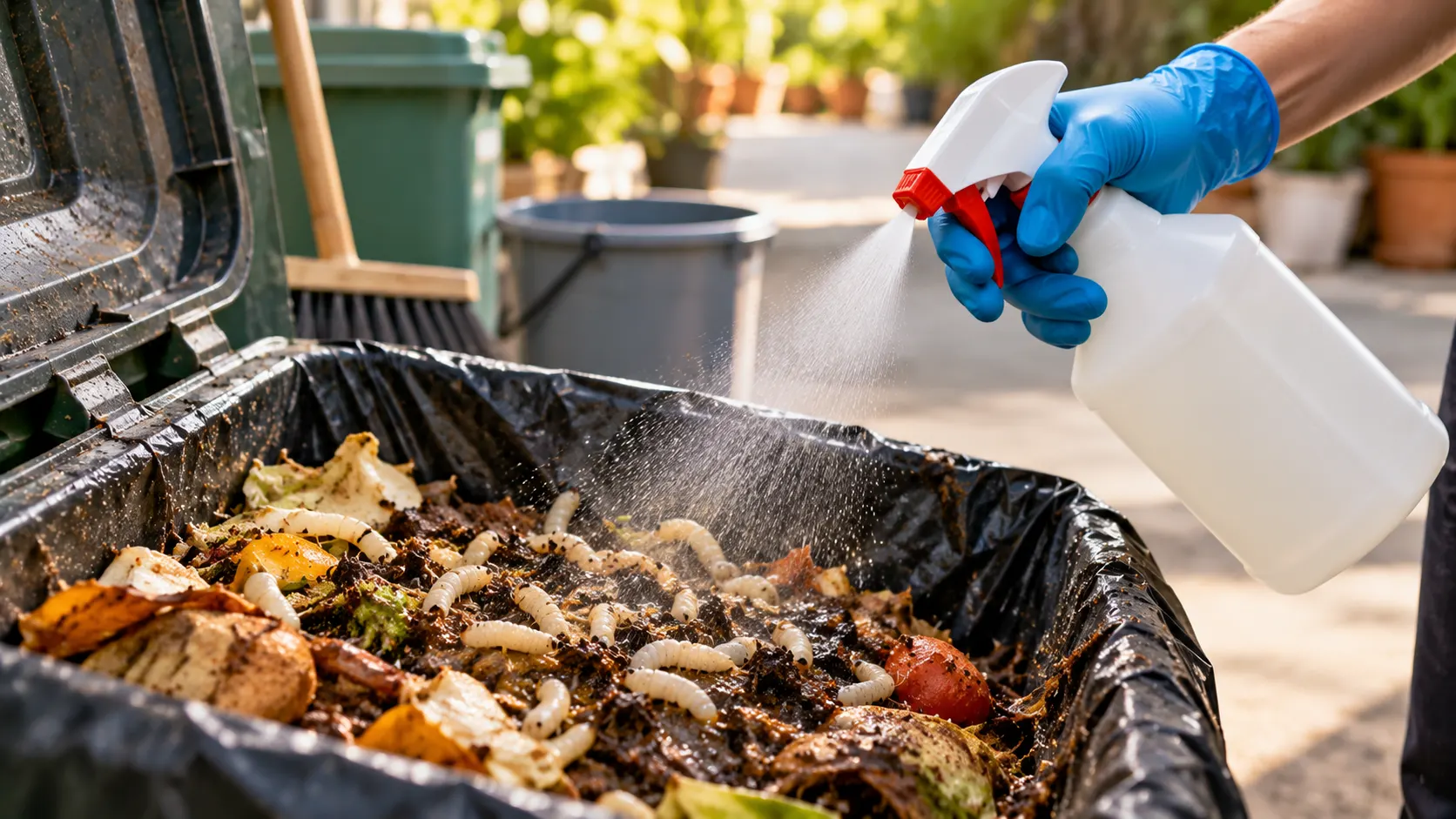
Finding maggots in your trash can, kitchen, or outdoor garbage area can be unpleasant and frustrating. These small, worm-like creatures are actually fly larvae that develop in places containing decaying organic matter. They commonly appear around spoiled food, overflowing garbage bins, and other areas where flies lay their eggs. Fortunately, most household maggot infestations can be controlled with proper cleaning and sanitation.
Learning how to kill maggots safely is important for maintaining a clean and hygienic home. Removing visible larvae is only part of the solution because leftover food waste and fly eggs can cause the problem to return. Understanding why maggots appear and choosing suitable removal methods can help prevent repeated infestations. Simple household cleaning supplies are often sufficient for dealing with small infestations.
This guide explains how to get rid of maggots step by step using practical household cleaning techniques. You will also discover common causes, effective removal methods, prevention tips, and situations that require professional assistance. Whether maggots appear in your trash bin, kitchen, or outdoor areas, these steps can help you restore a cleaner environment.
What Are Maggots and Why Do They Appear?
Maggots are the larval stage of certain flies, including common houseflies and blowflies. They usually appear as small, pale, soft-bodied creatures without visible legs. Adult flies lay eggs in locations where developing larvae can find suitable food. These environments commonly include rotting food, animal waste, and other decomposing organic materials around homes or commercial properties.
Warm temperatures and available food allow fly eggs to develop quickly under favorable conditions. Depending on the species and environment, eggs may hatch within approximately one day. The newly emerged larvae feed on organic material before eventually developing into adult flies. This relatively fast life cycle explains why household infestations can appear suddenly, especially during warmer weather.
Maggots do not necessarily indicate that an entire home is dirty or poorly maintained. Even a small amount of forgotten food waste can attract flies under suitable conditions. However, their presence usually indicates that organic matter requires attention. Identifying the breeding source is essential because removing individual larvae without cleaning their environment rarely provides a lasting solution.
Step 1: Identify Where the Maggots Are Coming From
The first step in eliminating maggots is locating the source of the infestation. Inspect areas where food waste, moisture, or decomposing materials may have accumulated. Common locations include kitchen garbage bins, outdoor trash containers, and spaces beneath appliances. Finding the source helps determine which cleaning methods will be most effective for the situation.
Begin by examining garbage bags and checking whether food waste has leaked into the bottom of a container. Look around recycling bins, compost storage areas, and places where discarded food may have been forgotten. Pay attention to unpleasant odors because they may indicate hidden decomposing materials. Avoid handling unidentified waste directly without suitable protective equipment.
If maggots repeatedly appear indoors, examine nearby cracks, cabinet corners, and other possible hiding places. Larvae sometimes move away from their feeding location before developing into pupae. Persistent infestations may indicate inaccessible waste or another concealed source. A qualified pest control professional can help investigate when the origin cannot be identified through ordinary inspection.
Step 2: Wear Protective Equipment Before Cleaning
Before removing maggots, prepare the area and gather suitable cleaning supplies. Disposable gloves, closed-toe shoes, and washable clothing can reduce direct contact with contaminated surfaces. You will also need sturdy garbage bags, paper towels, a brush, and household detergent. Keeping the necessary materials nearby makes the cleanup process more organized and efficient.
Open nearby windows when practical to improve ventilation during indoor cleaning. Keep children and pets away from the affected area until the cleanup is finished. Avoid touching your face while handling garbage or contaminated cleaning materials. If you discover sharp objects, unknown chemicals, or other hazards, do not attempt to handle them without appropriate assistance.
Read product labels before using any household cleaning solution. Never combine bleach with ammonia, acids, vinegar, or other cleaners because dangerous gases may form. Ordinary soap and water are often enough for the initial cleanup process. Preparing carefully helps reduce unnecessary exposure to waste and supports more effective sanitation throughout the affected area.
Step 3: Remove Maggots and Contaminated Waste
Once the infestation source has been identified, remove the waste supporting the larvae. Place spoiled food and contaminated disposable materials into a sturdy garbage bag. Use disposable towels or a small scoop to collect visible maggots from accessible surfaces. Avoid spreading contaminated materials into clean parts of your home during the removal process.
After collecting the larvae and waste, close the garbage bag securely and place it inside an appropriate outdoor waste container. Double-bagging may be useful when the contents are wet or likely to leak. Do not leave contaminated bags inside the kitchen. Removing the original food source significantly reduces the likelihood of additional larvae developing in the same location.
Check the surrounding area for any remaining larvae or spilled organic material. Pay particular attention to corners, bin handles, and spaces beneath the garbage container. Maggots may move away from their original feeding area, so a wider inspection is helpful. Completing this removal step prepares the affected surfaces for thorough washing and sanitation.
Step 4: Use Warm Soapy Water to Clean the Area
Warm water mixed with ordinary dish soap is a practical choice for cleaning surfaces affected by maggots. Detergent helps loosen grease, food residue, and other material that may attract flies. Use the solution to wash garbage bins and appropriate hard surfaces thoroughly. Removing organic residue is essential for eliminating the conditions that allowed the infestation to develop.
For a removable trash bin, empty its contents before scrubbing the interior with a brush and soapy water. Pay attention to the bottom, sides, lid, and areas around the rim. Rinse thoroughly after cleaning and check whether any residue remains. Warm soapy water can help remove exposed larvae during cleaning, but it should not be treated as a guaranteed insecticide.
Avoid pouring boiling water into plastic garbage containers because extreme heat can cause burns or damage certain materials. Warm water is generally a safer option for routine household cleaning. After washing, allow the container to dry completely before placing another garbage bag inside. A clean, dry bin is less attractive to flies searching for breeding locations.
Step 5: Sanitize the Trash Bin and Surrounding Surfaces
After removing the larvae and washing away visible dirt, consider whether additional disinfection is necessary. Garbage containers that have held spoiled food or leaking waste may benefit from an appropriate disinfectant. Choose a product specifically labeled for the surface being treated. Following the manufacturer’s instructions helps ensure safe handling and proper application.
Disinfectants work differently from insecticides, so they should not be relied upon to kill live maggots. Their primary purpose is reducing microorganisms on suitable surfaces after cleaning. Apply the product according to its instructions, including any required contact time and rinsing guidance. Never mix different disinfectants or add extra chemicals in an attempt to increase effectiveness.
Clean nearby flooring and other surfaces if garbage liquid or decomposing material has spread beyond the bin. Use cleaning products appropriate for the flooring material to avoid unnecessary damage. Once everything has been washed and treated as needed, allow the area to dry. Proper sanitation helps reduce odors and makes the environment less attractive to flies.
Step 6: Remove Maggots From Kitchen Floors and Cabinets
Finding maggots on kitchen floors or inside cabinets requires careful attention because these areas may be close to food preparation surfaces. Begin by locating and removing any spoiled food or contaminated packaging. Collect visible larvae using disposable towels or another suitable cleaning tool. Keep affected materials separate from clean kitchen utensils and stored food.
Wash washable floor surfaces with an appropriate household detergent and clean water. For kitchen cabinets, use cleaning methods recommended for the specific material because excessive moisture can damage certain finishes. Inspect corners, shelf edges, and spaces beneath appliances for remaining organic residue. Thorough cleaning is particularly important when spilled food or garbage liquid caused the infestation.
Discard unpackaged food that has been contaminated by larvae or waste. Check nearby stored products for damaged packaging or signs of pest activity. Clean food-contact surfaces with appropriate products and rinse when directed before using them again. If larvae continue appearing despite repeated cleaning, investigate whether an inaccessible food source remains nearby.
Step 7: Prevent Maggots From Returning
Preventing another maggot infestation begins with removing the conditions that attract adult flies. Dispose of food waste regularly, especially during hot weather when decomposition occurs more quickly. Keep kitchen and outdoor garbage containers tightly covered whenever possible. These simple habits can significantly reduce opportunities for flies to reach suitable breeding materials.
Use strong garbage bags and avoid allowing food waste to leak into the bottom of containers. Rinse recyclable food packaging before storage when required by local recycling guidelines. Cleaning kitchen floors, counters, and hidden corners also helps remove attractive food residue. Regular household maintenance is generally more effective than repeatedly treating visible larvae.
Inspect window screens and door seals to identify openings that allow flies into your home. Repair damaged screens and avoid leaving uncovered food near open windows. Outdoor garbage bins should be positioned away from commonly used entrances when practical. Combining effective waste management with basic fly prevention offers the best chance of keeping maggots away.
How to Get Rid of Maggots in Outdoor Garbage Bins
Outdoor garbage bins are common breeding locations because they frequently contain food scraps and other organic materials. Warm weather can accelerate decomposition and make the contents particularly attractive to flies. When maggots appear, remove the garbage bags and inspect the container for leaking waste. Cleaning the source is more important than simply treating the visible larvae.
After emptying the bin, collect remaining larvae and wash the interior using warm water and household detergent. Scrub the bottom and lid carefully because food residue often collects in these areas. Rinse the container and allow it to dry before use. Dispose of dirty cleaning water according to local guidance without allowing contaminated runoff to enter storm drains.
To prevent another infestation, keep outdoor bin lids closed and avoid placing loose food scraps directly inside them. Bagging wet kitchen waste helps reduce leakage and odors. Wash the container periodically, particularly after garbage bags split or leak. Positioning the bin in a shaded area may also help reduce heat buildup during warmer months.
Can Vinegar, Salt, or Baking Soda Kill Maggots?
Vinegar, salt, and baking soda are frequently mentioned as home remedies for maggot infestations. However, their effectiveness varies, and none should be considered a reliable replacement for removing contaminated waste. Some substances may affect individual larvae under particular conditions without eliminating the breeding source. Household cleaning and proper garbage disposal remain the most dependable first steps.
Vinegar can help with certain household cleaning tasks, but diluted vinegar solutions are not proven to eliminate maggot infestations consistently. Salt may affect exposed larvae through moisture loss, although results depend on concentration and contact conditions. Baking soda is useful for some odor-control applications but is not a dependable maggot treatment. Repeatedly applying these substances may waste time without resolving the problem.
If you choose to use household cleaners, follow their intended purposes rather than combining products into homemade pesticide mixtures. Avoid scattering large amounts of salt or cleaning chemicals around gardens, drains, or places accessible to pets. Addressing spoiled food and keeping surfaces clean produces more consistent results. Persistent infestations may require professional pest identification and treatment.
When Should You Call Professional Pest Control?
Small household maggot infestations can often be resolved through proper waste removal and thorough cleaning. However, professional assistance may be necessary when large numbers of larvae keep returning. Repeated activity can indicate a hidden breeding source that ordinary household cleaning cannot reach. Pest control specialists can investigate potential causes and recommend appropriate solutions.
Contact a professional when maggots appear from inaccessible wall spaces, ventilation areas, or other concealed locations. A persistent unpleasant odor may indicate decomposing organic matter that requires specialized removal. Professionals can also determine whether the insects are actually fly larvae or another type of household pest. Correct identification helps avoid ineffective treatments and unnecessary chemical use.
Maggots found in wounds on people or animals require a different response from ordinary household infestations. Do not apply household pesticides, harsh cleaners, or home remedies to affected skin or wounds. Seek prompt medical attention or veterinary care instead. Professional assessment is essential because these situations cannot be safely managed using regular garbage-cleaning methods.
How Long Does It Take to Get Rid of Maggots?
The time required to eliminate maggots depends on the size and location of the infestation. A small number of larvae in an accessible garbage bin may be removed during a single thorough cleanup. Larger infestations can require additional inspections and cleaning. Success depends primarily on eliminating the source of food and preventing adult flies from laying more eggs.
Fly development can occur rapidly in warm conditions, making prompt waste removal especially important. Even after cleaning, some larvae or pupae may remain in surrounding cracks or concealed spaces. Newly emerging flies can indicate that part of the life cycle continued elsewhere. Monitoring the area over the following days helps determine whether the original problem has been resolved.
If maggots continue appearing after the affected area has been thoroughly cleaned, investigate possible hidden sources. Check garbage storage spaces, under appliances, and other locations where organic waste may have accumulated. Avoid repeatedly applying stronger cleaning chemicals without identifying the cause. Persistent activity is a reason to seek professional advice rather than relying on temporary treatments.
Conclusion
Learning how to kill maggots safely begins with identifying the source of the infestation and removing contaminated organic waste. Thorough cleaning with warm soapy water helps remove larvae, food residue, and substances that attract flies. Proper garbage disposal and suitable sanitation practices are essential for restoring a clean environment. Most small household infestations can be managed through these straightforward steps.
Preventing maggots from returning is just as important as removing those already present. Keeping garbage bins covered, disposing of spoiled food promptly, and regularly washing contaminated containers can reduce future problems. Maintaining clean kitchen surfaces and repairing damaged window screens also helps limit fly activity. Consistent sanitation provides a more sustainable solution than relying on unproven home remedies.
For persistent infestations, professional pest control can help identify hidden breeding sources and recommend suitable treatment. Always use cleaning products according to their labels and avoid mixing household chemicals. Medical or veterinary attention is necessary when larvae affect living tissue. With careful cleaning, prevention, and appropriate assistance when needed, you can manage maggot infestations more effectively.
Frequently Asked Questions
What kills maggots quickly?
For small household infestations, promptly collect the larvae, seal them with contaminated waste, and remove the bag. Thoroughly cleaning the breeding area helps prevent additional maggots from appearing.
Can vinegar kill maggots?
Vinegar is not a consistently reliable method for killing maggots. Removing larvae, disposing of decomposing waste, and cleaning affected surfaces with detergent are more dependable approaches to household infestations.
How do you get rid of maggots in a trash can?
Empty the trash can, collect remaining maggots, and scrub the container with warm soapy water. Rinse thoroughly, allow it to dry, and replace the garbage bag.
Why do maggots suddenly appear in my house?
Maggots appear when flies lay eggs on suitable organic material, such as spoiled food or garbage. Warm conditions can accelerate development, making larvae seem to appear unexpectedly.
How do you prevent maggots from coming back?
Dispose of food waste frequently, seal garbage bags, and keep trash containers covered. Clean spills promptly, wash bins regularly, and prevent flies from entering through damaged screens or open doors.