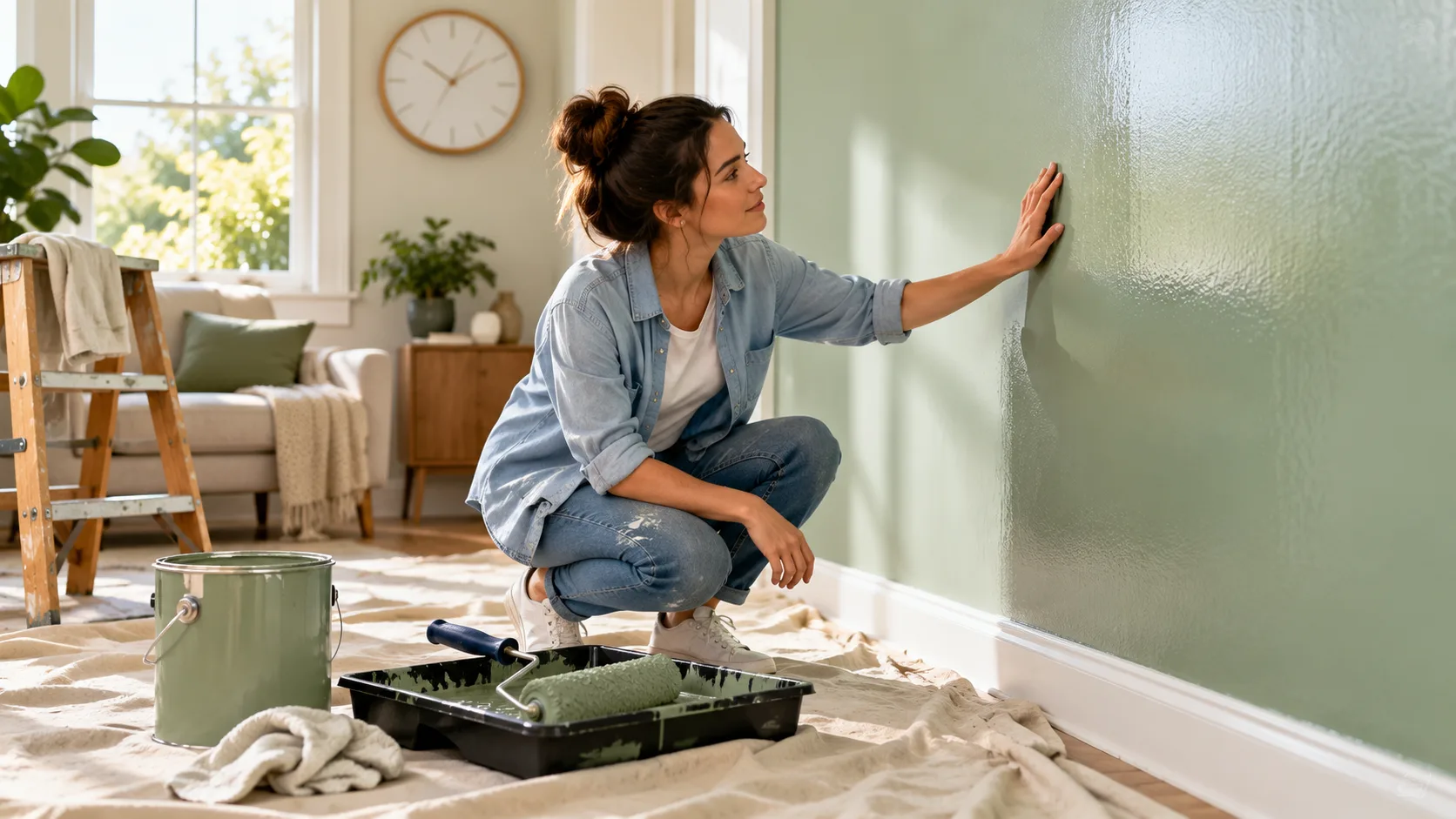
Paint can completely transform a room, refresh old furniture, or give your home a clean and modern appearance. However, one common question homeowners ask before starting a painting project is, how long does paint take to dry? Knowing the correct drying time helps you avoid smudges, uneven finishes, and unnecessary delays.
The answer depends on several factors, including paint type, temperature, humidity, ventilation, and surface material. Some paints feel dry within 30 minutes, while others need several hours before another coat can be applied. Understanding these differences helps you plan your painting project and achieve professional-looking results.
In this guide, we will explain paint drying times, the difference between drying and curing, and practical ways to help painted surfaces dry properly.
How Long Does Paint Take to Dry on Average?
Most water-based paints become dry to the touch within 30 minutes to two hours under normal indoor conditions. However, the surface may still be too delicate for another coat or regular use. Manufacturers generally recommend waiting two to four hours before recoating latex paint, although some products require longer drying periods.
Oil-based paints usually take considerably longer to dry because their binders harden through a different chemical process. Many oil-based products become dry to the touch after six to eight hours and require approximately 24 hours before recoating. These estimates can change depending on paint formulation, application thickness, temperature, and surrounding moisture levels.
It is important to understand that drying does not mean the paint has reached its final hardness. A freshly painted wall might feel completely dry but remain vulnerable to scratches, stains, or pressure marks. Always check the manufacturer’s instructions because product-specific drying and curing recommendations are more reliable than general estimates.
Understanding the Difference Between Paint Drying and Curing
Paint drying and paint curing are two different stages of the painting process. Drying occurs when enough water or solvent evaporates for the surface to stop feeling wet or sticky. At this stage, the paint may resist light contact but still remain sensitive to pressure, moisture, and everyday wear.
Curing describes the process through which a paint coating develops its intended durability and hardness. Depending on the formulation, this can involve continued evaporation, particle bonding, or chemical reactions. Some household paints develop adequate everyday durability within several days, while others can take several weeks to reach their full performance.
Understanding this difference is especially important when painting cabinets, furniture, doors, and frequently touched surfaces. For example, a painted cabinet door might feel dry the next morning but develop marks if hardware presses against it too early. Giving paint sufficient curing time helps protect the finish and prevents avoidable damage.
How Long Does Latex Paint Take to Dry?
Latex paint is one of the most popular choices for interior walls, ceilings, and residential painting projects. Most modern latex paints use water-based acrylic or vinyl-acrylic formulations that dry relatively quickly. Under suitable conditions, many products become dry to the touch within approximately one hour, making them convenient for everyday home improvement projects.
Although latex paint dries quickly, it usually requires additional time before another coat can be applied. Many manufacturers recommend waiting two to four hours between coats, but some specialty products specify longer intervals. Following the recommended recoat time allows the first layer to stabilize and reduces the likelihood of lifting or damaging the finish.
Latex paint may continue developing hardness and durability for days or weeks after application. During this period, avoid aggressive cleaning, heavy rubbing, or placing adhesive decorations directly onto painted walls. Maintaining comfortable temperatures and good ventilation helps the coating develop properly while preserving its color, texture, and appearance.
How Long Does Oil-Based Paint Take to Dry?
Oil-based paint generally takes longer to dry than water-based alternatives because it hardens through solvent evaporation and oxidation. Many traditional oil-based paints become dry to the touch in approximately six to eight hours. However, some products require longer periods depending on their ingredients, application method, and environmental conditions.
The recommended time between coats of oil-based paint is commonly around 24 hours, although individual products may specify shorter or longer intervals. Applying another layer too soon can affect the finish and delay proper hardening. This is particularly important when painting wooden doors, decorative trim, furniture, and surfaces requiring a durable finish.
Oil-based coatings can also continue curing well beyond their initial drying period. Freshly painted surfaces should be handled carefully until the coating has developed sufficient hardness for normal use. Always provide ventilation according to the product label and follow the manufacturer’s safety instructions when working with solvent-based paints.
How Long Does Chalk Paint Take to Dry?
Chalk paint is commonly used to refresh furniture, cabinets, and decorative home accessories. Many water-based chalk-style paints become dry to the touch within approximately 30 minutes to one hour under suitable conditions. Their relatively fast drying time makes them popular for furniture restoration and creative home decorating projects.
Despite the quick surface drying time, chalk paint normally requires additional waiting before applying another coat. Recoat intervals vary considerably by product, with some recommending one or two hours and others requiring longer. Applying thin, even layers often produces a smoother appearance and helps prevent excessive paint buildup around corners and decorative details.
Chalk-painted furniture may also require wax or a protective topcoat to achieve the intended durability. These finishing products have their own drying and curing requirements, which should be checked separately. Avoid immediately placing heavy objects on a newly finished surface, especially when the furniture will receive frequent everyday use.
How Long Does Spray Paint Take to Dry?
Spray paint can dry remarkably quickly because it is normally applied in thin layers. Some fast-drying spray paints become touch-dry within 10 to 30 minutes, depending on the formulation and application conditions. Other spray products may require several hours, so the instructions printed on the container should guide your project.
Spray paint recoat windows can be particularly specific and sometimes differ from ordinary brush-applied paint. Certain products require additional coats within a short period or only after a longer waiting interval. Ignoring these instructions may cause wrinkling, lifting, or other finish problems, even when the surface appears dry.
The painted object’s material also affects how the finished coating performs during drying and curing. Metal, plastic, wood, and previously painted surfaces may need different primers or preparation methods. Always use spray paint only in a suitable, well-ventilated area while following the product’s safety precautions and recommended drying conditions.
How Long Does Primer Take to Dry Before Painting?
Primer creates a suitable foundation for the final paint layer by improving adhesion and helping achieve a consistent finish. Many water-based primers become dry to the touch within 30 minutes to one hour. However, the recommended time before applying topcoat paint may range from approximately one to four hours or longer.
Oil-based primers commonly require more drying time, with some products needing around 24 hours before painting. Stain-blocking and specialty primers may have different requirements based on their ingredients and intended applications. Always check the primer label rather than assuming its drying schedule will match the paint being applied.
Applying paint over primer too early can lead to poor adhesion, uneven texture, or problems with the finished coating. The primer should also be compatible with both the surface material and the chosen paint. Following the complete priming and painting instructions can help prevent peeling, discoloration, and unnecessary repainting.
How Long Does Paint Take to Dry on Walls?
Interior wall paint usually dries faster than coatings applied in thick layers to detailed surfaces. Most standard water-based wall paints become dry to the touch within approximately one to two hours. Nevertheless, drying times can vary between flat, eggshell, satin, and other finishes depending on their specific formulations.
When painting walls, the recommended interval between coats is often more important than the initial touch-dry time. Many latex wall paints require approximately two to four hours before recoating. Allowing enough time between coats supports consistent color coverage and reduces the risk of dragging or disturbing the previous paint layer.
Freshly painted walls also need appropriate care during the initial curing period. Avoid scrubbing marks, attaching adhesive hooks, or pushing furniture firmly against the painted surface immediately after drying. Waiting until the finish has developed sufficient durability helps protect the appearance of your walls and minimizes unnecessary touch-ups.
How Long Does Paint Take to Dry on Wood and Furniture?
Wooden furniture can be painted with several different products, including latex, acrylic, chalk-style, and oil-based paint. Drying time mainly depends on the selected coating rather than the wood alone. However, the surface condition, preparation, primer, and thickness of each application can significantly influence the finished result.
Porous, unfinished wood may absorb some paint or primer, making proper surface preparation especially important. Sanding, cleaning, and applying a suitable primer can help create a more uniform finish. Once painting begins, thin coats and the manufacturer’s recommended waiting periods generally provide more predictable results than applying one thick layer.
Furniture should not be returned to heavy everyday use simply because it feels dry. Tabletops, drawers, shelves, and cabinet doors experience repeated contact that can damage insufficiently cured paint. Allowing the recommended curing period before placing objects on painted surfaces helps reduce sticking, dents, and premature wear.
Factors That Affect How Long Paint Takes to Dry
Temperature plays a significant role in paint drying because it influences evaporation and the reactions that help coatings harden. Cold environments often slow the drying process, while excessive heat may create application problems. Most household paints perform best within the temperature range specified by their manufacturers, rather than at extremely hot or cold temperatures.
Humidity can also affect drying times, particularly for water-based paints that release moisture during the drying process. High humidity slows evaporation and may leave painted surfaces feeling tacky longer than expected. Good airflow can help remove moisture from the surrounding air, although strong drafts may create dust or uneven drying conditions.
Paint thickness, surface texture, and product formulation are additional factors worth considering. Thick coats generally need more time to dry than thin applications because more material must release moisture or solvent. The type of primer, number of coats, and ventilation conditions can also influence when a finished surface is ready for use.
How Long Should You Wait Between Paint Coats?
The appropriate waiting time between paint coats depends on the manufacturer’s recommended recoat interval. For many interior latex paints, this period is approximately two to four hours under normal conditions. Oil-based paints often need around 24 hours, although quick-drying or specially formulated products may have different recommendations.
Applying a second coat too early can create several problems, even when the first layer seems reasonably dry. The roller or brush may disturb the previous coating, leading to uneven texture or visible marks. Trapped moisture or solvent can also delay the development of a durable and attractive finish.
For the best results, follow the recoat instructions and consider the temperature and humidity in your workspace. If conditions are cooler or more humid than recommended, additional drying time may be necessary. A little patience between coats often improves coverage, reduces visible imperfections, and helps achieve a smoother final appearance.
How to Make Paint Dry Faster Without Damaging the Finish
One effective way to support proper paint drying is to improve ventilation in the painting area. Open windows when weather and outdoor air conditions allow, and use fans to encourage gentle air circulation. The goal is to help remove excess moisture or solvent vapor without blowing dust directly onto the fresh coating.
Maintaining a suitable indoor temperature can also help paint dry consistently. Follow the manufacturer’s temperature recommendations and avoid using extreme heat to force the process. Excessive heating may affect the finish, while direct heat sources can introduce unnecessary safety risks, particularly around solvent-based coatings.
Applying thin, even coats is another practical way to prevent unnecessarily long drying times. Avoid repeatedly brushing over areas that have already started setting, as this can disturb the surface. Preparing the material correctly and following product instructions usually produces better results than attempting to accelerate drying beyond recommended conditions.
How to Tell If Paint Is Completely Dry
A painted surface may appear dry before it is ready for another coat or regular use. One common indication of surface drying is that the paint no longer looks wet and does not feel tacky when lightly touched in an inconspicuous area. However, appearance and touch alone cannot confirm that the coating has fully cured.
You can also examine the finish for uneven shine, visible wet patches, or areas that still seem soft. These observations may suggest that additional drying time is needed, particularly after applying thick coats. Avoid pressing fingernails or sharp objects into fresh paint because this can leave permanent marks.
The most dependable method is to combine visual inspection with the manufacturer’s drying and curing instructions. Record when the final coat was applied and account for temperature, humidity, and ventilation conditions. If you are uncertain whether the surface is ready for heavy use, allowing additional time is usually the safer choice.
Common Painting Mistakes That Increase Drying Time
Applying paint too thickly is one of the most common mistakes that can extend drying time. Heavy layers contain more moisture or solvent that must escape before the coating stabilizes. Thick applications can also produce runs, uneven texture, and a finish that remains soft longer than expected.
Painting in unsuitable weather conditions is another frequent problem, especially during exterior home improvement projects. High humidity, low temperatures, rain, and direct intense sunlight can interfere with proper application and drying. Exterior paint should only be applied within the environmental conditions recommended on the product label.
A third mistake is ignoring preparation steps or rushing through the recommended recoat intervals. Dirty, greasy, or poorly primed surfaces can interfere with adhesion and make the finished paint less reliable. Cleaning properly, choosing compatible products, and allowing adequate drying time help create longer-lasting results with fewer repairs.
Conclusion
Understanding how long paint takes to dry makes home painting projects easier to plan and manage. Water-based paints commonly become touch-dry within one or two hours, while traditional oil-based products often require considerably longer. However, these general estimates should never replace the specific instructions supplied with your paint.
Temperature, humidity, ventilation, coating thickness, and surface preparation all influence the drying process. Applying thin coats and respecting the recommended recoat intervals can help prevent peeling, smudging, and uneven finishes. Remember that a surface can feel dry long before it has developed its final durability.
Whether you are refreshing interior walls, painting furniture, or updating outdoor surfaces, patience is essential for a successful finish. Give each layer the time it needs and avoid heavy use until the coating is sufficiently cured. These simple precautions can help your painted surfaces remain attractive and durable for longer.
Frequently Asked Questions
How long does it take for paint to dry completely?
Many water-based paints become dry to the touch within one or two hours. However, complete curing can take days or weeks, depending on the formulation and environmental conditions.
Can I sleep in a freshly painted room?
It depends on the paint product, ventilation, and manufacturer’s safety guidance. Ensure adequate ventilation and follow the label’s re-entry instructions, especially when using solvent-based paints or when strong odors remain.
Does paint dry faster in hot or cold weather?
Paint generally dries more slowly in cold conditions, but excessive heat can cause application problems. The best results usually come from painting within the temperature range recommended by the manufacturer.
What happens if you apply a second coat too soon?
Applying another coat too early can disturb the previous layer, creating streaks, peeling, or uneven texture. It may also delay curing and reduce the durability of the finished surface.
How long should paint dry before putting furniture back?
Furniture can sometimes be moved back carefully after the recommended drying period, provided it does not touch the walls. Avoid firm contact or pressure until the paint has developed sufficient hardness.