
Which Farming Is Best for Beginners?
For many beginners, small-scale vegetable and herb growing is a practical starting point because it can begin in containers, raised beds, or a modest garden plot. These options let you practice essential skills without managing a large property or caring for livestock. However, the best farming choice depends on your climate, available space, water supply, goals, and daily schedule.
Someone growing food for their family has different needs from someone planning to sell produce. Home growers can choose crops they enjoy eating, while commercial growers must also consider customer demand, production costs, and delivery arrangements. A crop that grows easily in your area may still be unsuitable for a business if buyers are difficult to reach.
The most useful beginner farming approach is usually a small project you can observe and maintain consistently. Starting with manageable crops helps you learn about planting, watering, soil, pests, and harvesting before expanding. Rather than looking for one universally profitable farming type, choose an option that allows you to develop skills while keeping early mistakes affordable.
Understand Your Space, Climate, and Farming Goals
Before choosing what to grow, examine the space you actually have available. A balcony with several hours of sunlight offers different possibilities from a shaded courtyard or an open field. Notice drainage, access, exposure to wind, and nearby structures, because these conditions affect crop selection and may limit how comfortably you can manage the growing area.
Your local climate should guide planting decisions and timing. Vegetables that perform well during cooler weather may struggle when planted in intense heat, while warm-season crops can be damaged by cold conditions. Learn the usual growing seasons in your area and select suitable varieties instead of following a planting calendar created for a very different region.
Clarify whether your goal is learning, household food production, occasional sales, or a regular farming income. That decision influences how much you need to grow and which practical arrangements matter most. A learning project can remain flexible, while a business requires dependable production, clear cost records, suitable buyers, and an understanding of any applicable local requirements.
Vegetable Farming Is a Practical First Step
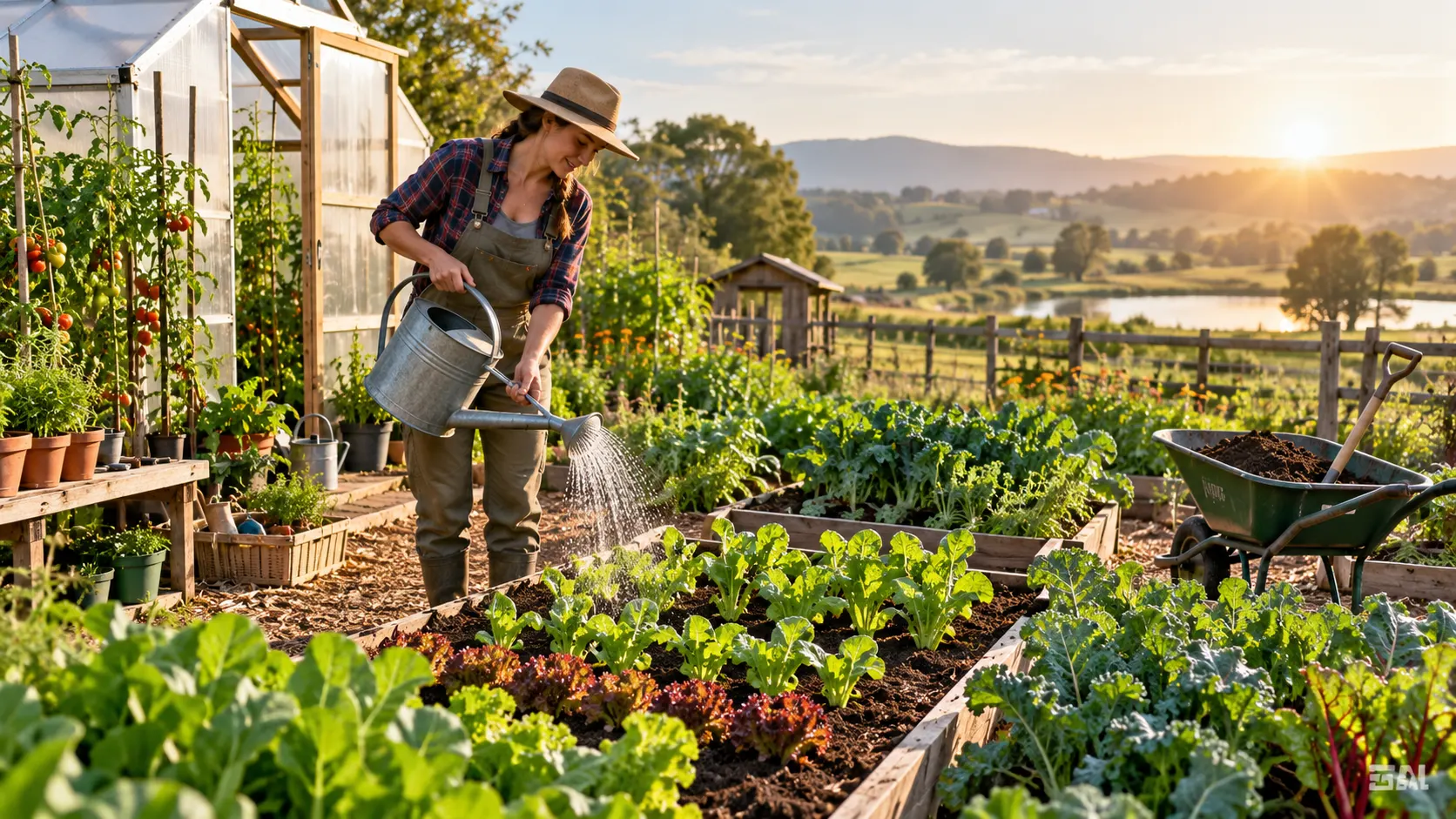
Small-scale vegetable farming introduces beginners to many core growing skills through familiar crops. Depending on your local season, suitable starting options might include radishes, beans, leafy greens, or other vegetables commonly grown nearby. Choose a small selection that suits your conditions, rather than planting a long list simply because the crops appear easy in an online guide.
Vegetable growing teaches you how soil preparation, spacing, watering, and sunlight affect plant development. You can observe problems early when the growing area is small and accessible. It also gives you opportunities to compare different planting dates or methods, helping you understand which practices work in your own setting instead of relying entirely on general advice.
Begin with enough plants to maintain comfortably and use at harvest time. Planting everything at once can create more produce than you need during a short period, followed by weeks without a harvest. For suitable crops, smaller plantings spaced over time can spread production, although the timing must still match your climate and each crop’s growth cycle.
Herb Farming Works Well in Limited Space
Herbs can be a useful choice for beginners who have limited growing space or want plants connected directly to everyday cooking. Basil, mint, coriander, parsley, and other familiar herbs offer different growing habits and seasonal preferences. Start with varieties suited to your location and choose herbs you will actually use, so harvesting becomes part of your routine.
Containers make it easier to position herbs where suitable light is available and to manage plants with different needs separately. Mint, for example, is often kept in its own container because it spreads readily. Avoid assuming that all herbs prefer identical conditions, since watering requirements and tolerance for heat can vary considerably between different species and varieties.
If you hope to sell herbs, investigate whether buyers want fresh bunches, potted plants, or another form of product. These formats involve different handling, packaging, and production arrangements. Growing a healthy plant is only part of the task, so test customer interest before producing quantities that exceed your household needs or the demand you have actually confirmed.
Container and Raised-Bed Farming Keep Projects Manageable
Container gardening allows beginners to grow crops without committing to a permanent garden layout. Pots, grow bags, and other suitable containers can accommodate herbs, greens, and certain compact vegetable varieties. Choose a container size appropriate for the mature plant, provide drainage, and use a growing medium suited to containers rather than assuming ordinary garden soil will work equally well.
Raised beds can organize a small vegetable garden and make the growing area easier to access. They may be useful where existing soil is difficult to work, although building and filling them introduces additional costs. Before installing beds, consider how you will reach the center, move between them, and bring water to the plants during regular maintenance.
Both methods help limit the scale of an early project, but neither removes the need for care. Containers can dry quickly, particularly in hot or windy weather, while raised beds still require attention to watering and soil condition. Match the system to your daily availability so convenience at planting time does not become an unexpected maintenance burden later.
Microgreens Offer a Compact Growing Option
Microgreens are young edible seedlings harvested after their first leaves develop, generally before the plants reach the baby-leaf stage. They are often grown in shallow trays using suitable seeds and a clean growing medium. This method can appeal to beginners with limited space because a small trial allows close observation of germination, light exposure, watering, and harvest timing.
Short growing cycles can make microgreens useful for learning through repeated batches. However, speed does not guarantee an easy or profitable business, especially when environmental conditions and hygiene are poorly controlled. Consistent quality requires attention to moisture, airflow, suitable temperatures, and careful handling, with each crop potentially responding differently to the same growing setup.
Before selling microgreens, confirm demand and understand the food-handling requirements that apply locally. Harvested greens are perishable, so storage, packaging, and timely delivery affect whether the product reaches customers in good condition. Start with a small household trial, record your results, and assess the full process before purchasing equipment or planning regular commercial production.
Mushroom Growing Requires More Controlled Conditions
Mushroom cultivation can interest beginners who lack outdoor growing land, but it uses a different process from ordinary vegetable gardening. Mushrooms grow from fungal material in a suitable substrate rather than from seeds in a garden bed. A prepared growing kit or ready-to-fruit block can provide an introduction without immediately taking on every stage of production.
Successful mushroom growing depends on conditions appropriate to the species and production stage. Humidity, temperature, fresh air, and cleanliness all matter, and beginners can struggle when those requirements are treated casually. Following the instructions for a reliable kit helps you observe the process before deciding whether you want to manage substrate preparation or more complicated growing arrangements.
Mushrooms should not be presented as guaranteed easy income simply because they can grow in a small space. Contamination, inconsistent yields, and difficulties selling fresh harvests can affect the results of a commercial project. Begin with cultivated edible varieties from a reliable source, and keep mushroom cultivation separate from attempts to identify or collect unfamiliar wild mushrooms.
Flower Farming Suits Beginners Who Enjoy Hands-On Growing
Small-scale flower growing can be rewarding for people who enjoy garden work, color, and arranging harvested stems. Suitable choices vary by climate, but locally adapted annual flowers can provide a manageable introduction. Begin with a few varieties that suit your season and available sunlight, then learn their spacing, support, watering, and harvesting needs through a modest trial.
Growing flowers for bouquets involves more than creating an attractive garden. You need stems of suitable length, a useful mix of colors and shapes, and an understanding of when each flower should be cut. Harvesting technique and handling influence how well the flowers hold up, making these skills an important part of the learning process.
For sales, consider whether your potential customers want bouquets, individual stems, or flowers for specific events. Demand may fluctuate, and flowers that bloom together can create a short-lived surplus. Test your production and customer interest on a small scale before committing to larger planting areas, specialized supplies, or promises of quantities you have not yet demonstrated you can produce.
Livestock and Fish Farming Need Greater Daily Commitment
Some beginners are attracted to poultry, goats, or fish because these enterprises produce familiar food products. However, caring for animals introduces responsibilities that continue every day, including feeding, clean water, suitable housing, and monitoring their condition. These farming types require dependable routines and should not be selected solely because someone describes them as simple or quickly profitable.
Poultry keeping, for example, requires planning for feed, shelter, predators, waste, and ongoing animal care. The cost of purchased feed can influence results, while interruptions to daily care can create problems that crops might tolerate differently. Before starting, learn from an experienced local keeper and confirm that the setup is appropriate for your property and circumstances.
Fish farming also depends on suitable water conditions, stocking practices, feeding, and equipment where required. A pond or tank that appears uncomplicated may still need close management to maintain a suitable environment. Beginners considering any animal-based enterprise should first gain practical experience, understand local requirements, and arrange reliable care during illness, travel, or other periods when they are unavailable.
Check Water, Soil, and Basic Equipment Before Planting
A dependable water supply is one of the first practical issues to assess before starting a farm. Consider how you will water the growing area, how long the task will take, and whether access changes seasonally. Selecting a crop without understanding its water needs can leave you with a project that is difficult to maintain during the weather it encounters.
For soil-based growing, learn about drainage, texture, and the condition of the planting area before adding amendments. A soil test can help guide decisions about fertility, rather than encouraging repeated applications of products the plants may not need. If using containers, choose an appropriate growing mix and understand how its drainage and moisture retention affect your watering routine.
Buy basic tools according to the work you actually plan to perform. A small hand tool, watering equipment, containers, and suitable seeds may be enough for an initial trial. Delay expensive machinery or specialized infrastructure until you understand the production process, because equipment cannot compensate for an unsuitable crop, poor timing, or a project larger than you can manage.
Compare Costs and Demand Before Farming for Income
Beginner farming can provide useful skills, but commercial success depends on more than a healthy harvest. Include seeds or planting material, growing supplies, water, labor, packaging, transport, and losses when estimating costs. A crop that appears valuable at the market may produce a much smaller return after these expenses and the time needed to grow and sell it.
Speak with potential buyers before selecting crops for a business. Ask about the products they need, preferred quantities, quality expectations, and purchasing frequency, without treating general enthusiasm as a confirmed order. A restaurant interested in herbs may require consistent deliveries, while household customers may prefer a smaller mixed selection purchased less frequently throughout the growing season.
Keep early estimates cautious and record actual results from your trial. Note how much usable produce you harvested, what you sold, what remained unsold, and how much time the work required. These records provide a stronger basis for expansion than broad claims about the most profitable crop, which may not reflect your local conditions or market.
Start Small and Expand After a Successful Trial
A manageable first farming project gives you room to learn without making every mistake expensive. Choose one growing system and a limited number of crops, then complete a full production cycle before adding more complexity. The experience will show whether your available time, water, space, and methods are adequate for the project you initially imagined.
Keep simple records of planting dates, varieties, watering observations, problems, and harvest quantities. Photographs can help you compare growth stages, while notes reveal patterns that are easy to forget between seasons. You do not need a complicated recordkeeping system, but you should be able to explain what worked, what failed, and what you would change next time.
Expand in response to evidence rather than the excitement of an early harvest. Increase planting gradually when you can maintain quality, manage the workload, and use or sell the additional produce. Learning from a local grower or agricultural extension service can also help you adapt general farming advice to the conditions that determine success in your own area.
Conclusion
Small-scale vegetable and herb growing is often a practical farming starting point because it introduces essential skills through a manageable project. Containers and raised beds can make these options accessible where space is limited. Microgreens, cultivated mushrooms, and flowers offer other possibilities, but each comes with specific production and handling requirements that beginners need to understand.
The best farming choice depends on your climate, growing area, water supply, daily availability, and intended use of the harvest. Livestock and fish farming require additional commitments, while commercial crop production needs realistic cost planning and reliable demand. No single farming type is automatically the easiest or most profitable for every person, location, and situation.
Start with a small trial, observe the results, and build your skills before making a larger investment. Choose suitable crops, keep useful records, and ask experienced local growers about the challenges you are likely to face. A carefully managed beginning gives you practical knowledge and a clearer basis for deciding whether to expand, adjust your methods, or explore another farming option.
FAQs
Which farming is easiest for beginners with limited space?
Container-grown vegetables and herbs are practical options for limited space. Choose crops suited to your light and climate, provide appropriate containers and drainage, and begin with a number you can maintain comfortably.
What is the best farming type for beginners who want income?
There is no universal best option for income. Compare local demand, production costs, growing conditions, and handling requirements, then test a small crop before committing to regular commercial production.
Can beginners start farming without owning land?
Yes, containers, small indoor growing setups, community plots, or rented space may provide options. Check that the location offers suitable conditions and permission for your intended activities before starting.
Is poultry farming easier than vegetable farming?
Not necessarily, because poultry needs dependable daily feeding, water, shelter, and care. Vegetable growing can also be demanding, but a small crop trial generally avoids the ongoing responsibilities associated with keeping animals.
How much should a beginner invest in farming?
Start with an amount you can comfortably allocate to a small learning project. Estimate essential supplies and ongoing costs, then delay major equipment purchases until a completed trial demonstrates what you actually need.


[…] […]