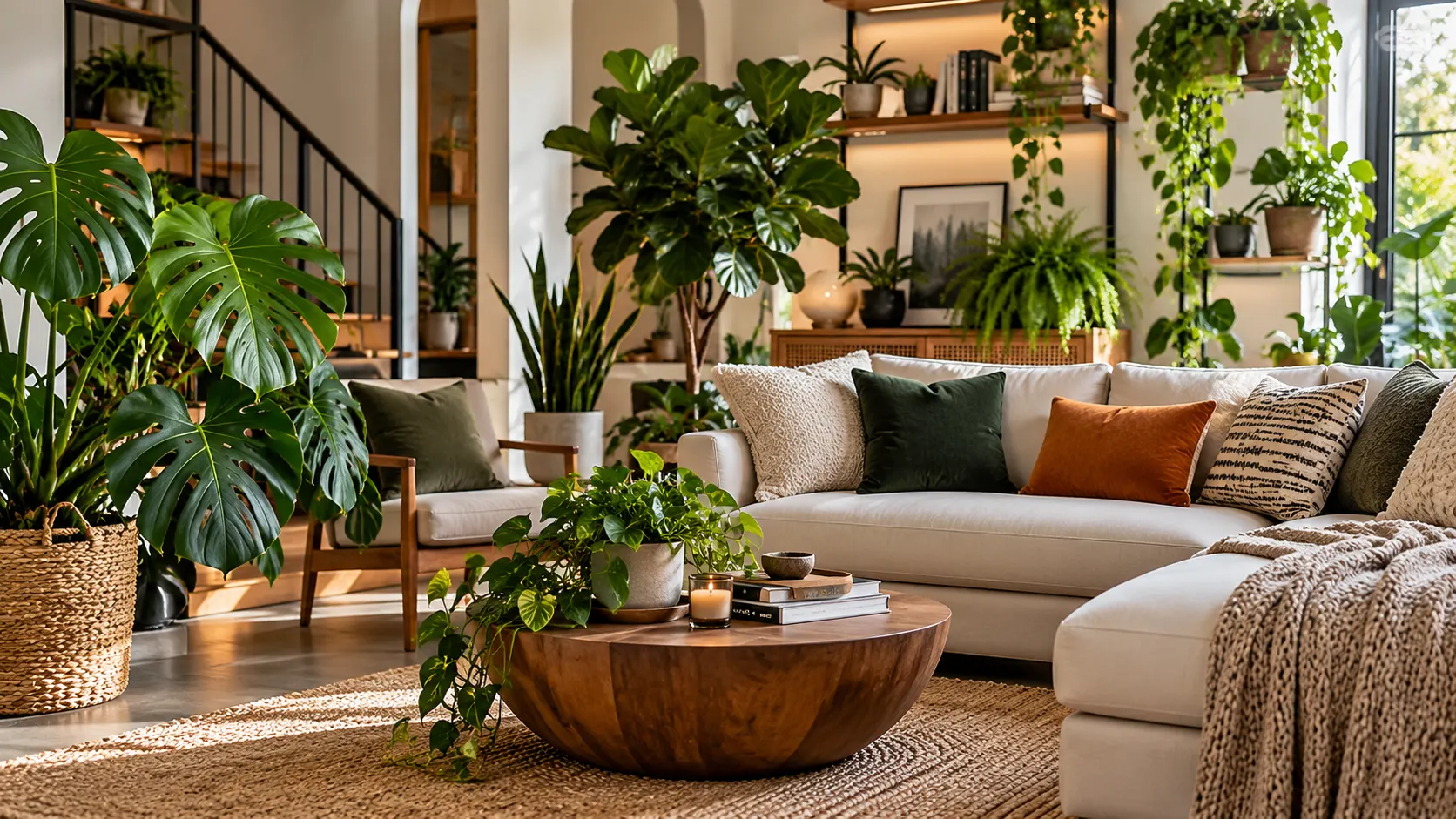
Indoor plants have become an essential part of modern home decor because they bring natural beauty, freshness, and personality into living spaces. Whether you prefer minimalist interiors, contemporary furniture, or cozy home designs, greenery can complement almost every decorating style. The right plant arrangements can make ordinary rooms feel more welcoming without requiring expensive renovations or major furniture changes.
Exploring indoor plant styling ideas for modern homes allows you to combine attractive greenery with practical interior design. From statement floor plants and hanging planters to decorative shelves and vertical gardens, there are countless ways to incorporate plants into your living space. Choosing suitable containers, locations, and plant varieties can create a balanced appearance throughout your home.
You do not need a large house or professional decorating experience to style indoor plants successfully. Small apartments, modern bedrooms, compact kitchens, and spacious living rooms can all benefit from thoughtful greenery arrangements. This guide explores practical indoor plant decoration ideas that help create beautiful, functional, and comfortable modern interiors.
Choose Indoor Plants That Match Your Interior Style
Choosing the right plants is the first step toward creating attractive greenery arrangements in modern homes. Different plants have unique shapes, leaf patterns, and growth habits that influence how they complement furniture. Snake plants, rubber plants, and fiddle-leaf figs can create bold contemporary displays. Smaller varieties such as pothos, peperomia, and compact ferns work beautifully in softer decorating schemes.
Consider the overall design of your home before selecting plants for individual rooms. Minimalist interiors often look balanced with a few sculptural plants rather than numerous small arrangements. Homes featuring natural wood and warm neutral colors can benefit from leafy tropical plants. Matching greenery with existing materials creates a consistent appearance without requiring significant decorating changes.
Always consider lighting conditions and maintenance requirements alongside appearance when choosing houseplants. A beautiful plant will struggle if placed somewhere that does not meet its growing needs. Observe where natural sunlight enters your rooms before deciding on plant positions. Selecting healthy, suitable varieties makes your indoor plant decor easier to maintain throughout the year.
Create a Statement With Large Floor Plants
Large floor plants can become beautiful focal points in contemporary living rooms and open spaces. Their height and distinctive foliage help fill empty corners without adding bulky furniture. Popular statement plants include rubber plants, bird of paradise, and fiddle-leaf figs. These varieties can complement modern furniture when provided with enough space and suitable natural lighting.
Position a tall plant beside a sofa, near a bright window, or alongside a spacious entryway. Choose a decorative floor planter that complements your room’s existing color palette. Neutral ceramic containers create a clean appearance, while textured baskets introduce warmth. Avoid placing large plants where their leaves interfere with doors, pathways, or frequently used furniture.
The scale of your plant should match the proportions of the surrounding room. A very large plant can overwhelm a compact space, while a small plant may disappear in a spacious interior. Leave enough room around the foliage for growth and routine maintenance. Thoughtful placement allows statement plants to enhance modern interiors without making them feel crowded.
Style Indoor Plants on Floating Shelves
Floating shelves provide an attractive way to display greenery while keeping floors and furniture surfaces clear. They are especially useful for smaller homes where space is limited. Arrange compact houseplants such as peperomia, pothos, and small philodendrons on securely installed shelves. Mixing greenery with books and decorative objects creates a balanced and personalized appearance.
Use plants with different leaf shapes and growth habits to make your shelf arrangement more interesting. Combine upright plants with trailing vines to introduce movement and visual variety. Keep decorative pots within a coordinated color palette for a modern, organized look. Leave some open space between items so the display feels intentional rather than cluttered.
Make sure shelves can safely support the combined weight of plants, containers, and moist soil. Position them where plants receive appropriate natural or artificial light throughout the day. Use protective trays to prevent water from damaging wooden surfaces or painted walls. Proper planning helps create beautiful plant displays that remain practical for everyday living.
Use Hanging Plants to Save Floor Space
Hanging plants are excellent decorating options for modern apartments, compact bedrooms, and small living rooms. They introduce greenery at different heights without occupying valuable floor or countertop space. Trailing varieties such as pothos, string of hearts, and certain philodendrons create attractive cascading displays. Their flowing growth can soften straight architectural lines and contemporary furniture.
Hang planters near suitable windows where plants receive enough filtered natural light. Choose sturdy ceiling hooks or wall supports designed for the weight of the filled container. Decorative macrame hangers can add texture, while simple metal hangers suit minimalist interiors. Keep arrangements away from doors, ceiling fans, and frequently used walking areas.
Create visual balance by combining hanging plants with other decorative elements at different heights. Avoid placing too many hanging baskets together in a small room. A single healthy trailing plant can make a stronger design statement than several crowded arrangements. Choose containers that allow proper drainage without dripping onto furniture or flooring.
Decorate Modern Living Rooms With Greenery
The living room is one of the best places to experiment with indoor plant styling ideas. It usually offers several decorating opportunities, including side tables, shelves, window areas, and empty corners. A combination of large and small plants can create a layered appearance. Select greenery that complements your sofa, coffee table, and existing decorative accessories.
Place a medium-sized plant beside your entertainment unit or use a tall specimen to soften an empty corner. Small potted plants can decorate side tables without interfering with everyday activities. Consider grouping several varieties together to create a natural focal point. Different leaf textures can make the arrangement more interesting while maintaining a coordinated design.
Avoid crowding every available surface with greenery, especially in contemporary rooms featuring clean lines. Allow plants to stand out against neutral walls and simple furniture. Choose containers that repeat materials or colors already present in your interior. A balanced arrangement makes your living room feel welcoming while preserving its modern appearance.
Add Indoor Plants to Minimalist Bedrooms
Indoor plants can add natural beauty to minimalist bedrooms without disrupting their peaceful atmosphere. Choose simple varieties with attractive foliage and manageable growth habits. Snake plants, peperomia, and certain compact philodendrons can complement modern bedroom furniture. A carefully selected plant can soften the room’s appearance while keeping the overall design uncluttered.
Position small plants on bedside tables, dressers, or shelves where they receive appropriate lighting. Larger bedrooms may accommodate a floor plant near a bright window or an unused corner. Choose neutral pots that complement bedding, curtains, and furniture finishes. Avoid placing plants where they interfere with opening drawers or moving around the bed.
Keep bedroom plant arrangements simple to maintain a relaxing environment. One medium-sized plant and a few smaller accents are often sufficient for a balanced appearance. Regularly remove fallen leaves and check containers for excess moisture. Thoughtful greenery placement helps create a comfortable bedroom that reflects modern interior design principles.
Style Plants Around Modern Kitchen Spaces
Kitchens provide useful opportunities to incorporate decorative plants into everyday living areas. Small potted herbs can add greenery while remaining practical for cooking. Basil, mint, and parsley may work well near bright kitchen windows when their individual growing requirements are met. Decorative foliage plants can also bring natural texture to countertops and open shelving.
Arrange compact plants on windowsills, suitable shelves, or unused countertop corners. Choose washable containers that are easy to maintain in areas exposed to cooking activities. Keep plants away from direct heat, strong grease buildup, and frequently used preparation surfaces. A tidy arrangement ensures greenery enhances the kitchen without reducing its functionality.
Consider creating a small herb collection using matching ceramic pots or simple containers. Group plants according to similar lighting and watering requirements whenever possible. Labels can help identify different herbs while contributing to an organized appearance. A thoughtfully styled kitchen garden adds visual interest and makes fresh ingredients more accessible during meal preparation.
Transform Bathroom Decor With Indoor Plants
Bathrooms can become attractive spaces for greenery when their lighting and humidity conditions suit the selected plants. Many tropical houseplants appreciate the moisture produced by regular showers and baths. Ferns, peace lilies, and certain philodendrons may thrive in suitable bathroom environments. Their foliage can soften tile surfaces and create a refreshing, spa-inspired appearance.
Place compact plants on shelves, windowsills, or secure countertop corners. Hanging planters are useful when the bathroom has limited storage and floor space. Choose decorative containers that complement bathroom fixtures and existing colors. Make sure plants receive adequate light rather than assuming humidity alone will support healthy growth.
Maintain proper ventilation to reduce excessive condensation and prevent moisture-related problems. Avoid placing plants where they are exposed to cleaning chemicals or frequent splashes of hot water. Select varieties based on the bathroom’s available light and temperature conditions. A small number of healthy plants can create an attractive bathroom without overcrowding essential areas.
Create a Beautiful Indoor Plant Corner
An indoor plant corner can transform an unused area into an attractive feature of your home. Choose a space near a suitable window where several plants can receive appropriate lighting. Combine varieties with different heights, foliage shapes, and textures for visual interest. A thoughtfully arranged plant corner can complement both modern and traditional interior styles.
Start with one taller plant positioned toward the back of the arrangement. Add medium-sized plants on sturdy stands and smaller varieties closer to the front. This layered approach allows each plant to remain visible without making the display feel crowded. Use matching or complementary containers to create a consistent decorative theme.
Leave enough space between plants for airflow, leaf growth, and regular maintenance. Group species with similar care needs to make watering and lighting management easier. A small rug or decorative tray can help define the arrangement within the room. Keeping the area organized ensures your plant corner remains attractive and practical.
Use Decorative Planters to Complement Modern Interiors
Decorative planters play an important role in modern indoor plant styling. The right container can highlight the foliage while connecting the plant to surrounding furniture and accessories. Ceramic, concrete, metal, and woven planters offer different textures and visual effects. Choosing suitable materials helps greenery feel like an intentional part of your interior design.
Neutral planters in white, beige, gray, or black work particularly well in minimalist homes. Terracotta containers can introduce warmth, while textured finishes complement natural wood furniture. Consider mixing a few complementary planter styles instead of using identical containers everywhere. A coordinated color palette creates consistency without making the display feel repetitive.
Choose planters that fit the plant’s root system and allow appropriate drainage. Decorative outer pots can conceal practical nursery containers while protecting surrounding surfaces. Avoid letting excess water collect around plant roots after watering. Combining visual appeal with functional container design supports healthier plants and easier maintenance.
Arrange Plants at Different Heights for Visual Balance
Using plants at different heights can make indoor displays feel more interesting and professionally arranged. A combination of floor plants, tabletop greenery, and hanging vines introduces natural variation. This technique works particularly well in modern living rooms and open-plan interiors. Different heights also help prevent plant collections from appearing flat or overcrowded.
Place taller varieties behind smaller plants so every arrangement remains visible. Use sturdy plant stands to raise medium-sized containers and create layered displays. Trailing plants can soften the edges of shelves or furniture. Maintain enough space between containers to ensure each plant receives adequate light and airflow.
Avoid using too many similar-sized plants in one location unless you want a deliberately uniform appearance. Experiment with asymmetrical arrangements to create a relaxed contemporary style. Consider the surrounding furniture when deciding how high each plant should sit. A balanced composition allows greenery to complement the room rather than dominate it.
Decorate Small Apartments With Space-Saving Plants
Small apartments can benefit from indoor greenery without sacrificing valuable living space. Compact houseplants, narrow plant stands, and wall-mounted displays provide practical decorating options. Choose varieties that grow slowly or remain relatively small when properly maintained. This approach allows you to introduce natural beauty without creating crowded rooms.
Use vertical space by placing plants on secure shelves or hanging suitable containers near windows. Trailing vines can decorate elevated surfaces while keeping tabletops clear. A narrow floor plant may also fit comfortably beside furniture or in an unused corner. Choose lightweight, stable containers that suit the proportions of your apartment.
Keep plant arrangements limited to areas where they improve the overall appearance. Avoid blocking walkways, storage spaces, and frequently used surfaces with decorative containers. Select plants with manageable maintenance requirements to simplify daily care. A few carefully positioned plants can make compact apartments feel welcoming and thoughtfully decorated.
Combine Indoor Plants With Natural Materials
Combining plants with natural materials can create warm, attractive interiors while maintaining a modern design. Wood, stone, linen, and woven textures complement green foliage beautifully. These materials introduce visual variety without relying on bold colors or complicated patterns. The result is a balanced space that feels comfortable, welcoming, and connected to nature.
Place leafy plants beside wooden furniture or use decorative baskets to soften modern shelving. Stone-colored ceramic pots can complement contemporary countertops and neutral walls. Linen cushions and natural-fiber rugs also work well with indoor greenery. Repeating similar textures across a room helps create a coordinated appearance without excessive decoration.
Avoid introducing too many different materials into a single arrangement. Choose a few finishes that complement your existing furniture and color palette. Plants should remain the focal point while supporting accessories provide subtle visual interest. A thoughtful combination of greenery and natural textures can make modern homes feel more inviting.
Maintain Healthy Plants for Beautiful Home Styling
Healthy plants are essential for maintaining attractive indoor arrangements over time. Yellowing leaves, damaged foliage, and overcrowded containers can reduce the visual appeal of your displays. Choose suitable locations based on each plant’s lighting and temperature requirements. Understanding basic plant care allows your decorations to remain attractive beyond their initial placement.
Check soil moisture regularly and water plants according to their individual needs. Avoid following the same watering schedule for every variety because different species require different conditions. Clean dusty leaves occasionally and remove damaged growth when necessary. Rotate containers when appropriate to encourage balanced development and prevent plants from leaning heavily toward light sources.
Inspect plants for pests and signs of stress before problems become widespread. Repot specimens when their roots outgrow their containers or the potting mix becomes unsuitable. Keep plants away from heating vents, cold drafts, and other stressful conditions. Consistent maintenance helps preserve the natural beauty of your indoor plant styling arrangements.
Conclusion
Indoor plant styling ideas for modern homes offer practical ways to introduce natural beauty into everyday living spaces. Large floor plants, floating shelves, hanging baskets, and decorative plant corners can complement different interior styles. Choosing suitable varieties and thoughtful arrangements helps create attractive rooms without requiring expensive decorating changes.
The most successful plant displays balance appearance with functionality and proper growing conditions. Consider natural lighting, available space, container materials, and maintenance requirements before arranging greenery. Combining different heights, textures, and foliage shapes can create visual interest while keeping rooms organized. Healthy, well-positioned plants contribute more to interior design than overcrowded decorative displays.
Whether you live in a small apartment or a spacious contemporary home, indoor plants can become meaningful parts of your decorating style. Start with a few easy-care varieties and expand your collection as you gain experience. With thoughtful placement and consistent care, you can create beautiful greenery arrangements that remain enjoyable throughout the year.
FAQs
What Are the Best Indoor Plants for Modern Home Decor?
Snake plants, rubber plants, pothos, philodendrons, and fiddle-leaf figs are popular choices for modern interiors. Their attractive foliage and varied growth habits complement minimalist, contemporary, and natural decorating styles.
How Can I Style Indoor Plants in a Small Living Room?
Use compact plants on shelves, narrow floor planters, and hanging baskets to save space. Choose a few decorative containers and position greenery where it receives adequate light without blocking walkways.
How Many Indoor Plants Should I Put in One Room?
The ideal number depends on room size, available lighting, and your decorating preferences. Start with two or three well-positioned plants and add more only when the space remains comfortable and uncluttered.
What Color Planters Look Best in Modern Homes?
Neutral planters in white, black, beige, and gray complement many modern interiors. Terracotta, natural stone finishes, and textured ceramic containers also work well when coordinated with existing furniture and decorative accessories.
How Do I Keep Indoor Plant Arrangements Looking Beautiful?
Provide appropriate lighting, water according to each plant’s needs, and regularly remove damaged leaves. Keep containers clean, inspect for pests, and allow sufficient space for healthy growth and easy maintenance.