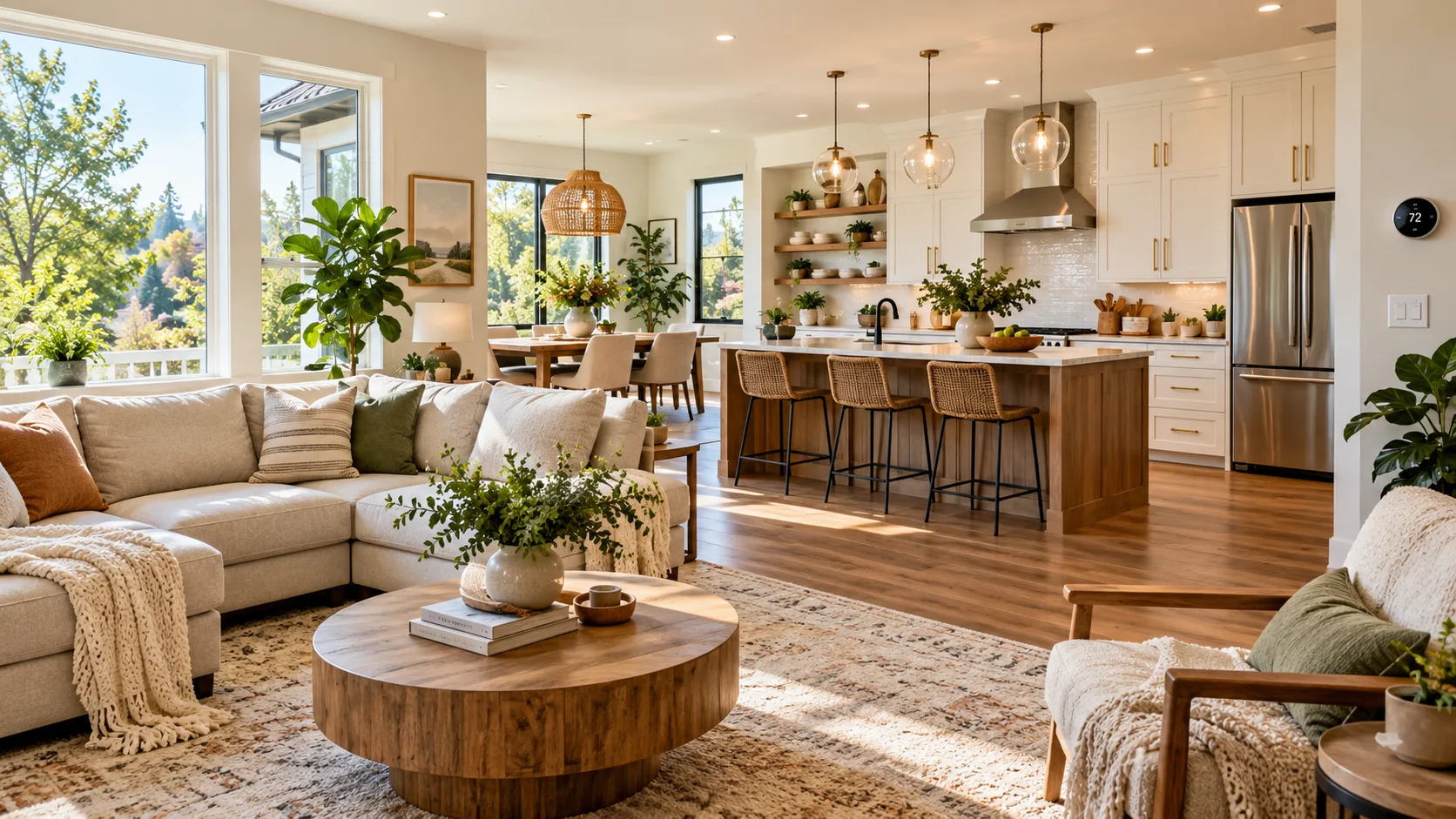
Buying your first home is an exciting milestone that brings new responsibilities and opportunities to create a comfortable living environment. However, deciding which home improvements deserve attention can feel overwhelming. The best home upgrades for first-time homeowners focus on safety, functionality, energy efficiency, and long-term property maintenance.
Not every home improvement project requires a large renovation budget or professional design services. Simple changes such as fresh paint, improved lighting, updated hardware, and better storage can make everyday living more convenient. Other improvements, including insulation and plumbing maintenance, can help prevent expensive problems in the future.
Understanding which upgrades to prioritize allows new homeowners to make informed decisions without unnecessary spending. Some improvements enhance appearance, while others address structural concerns or improve household efficiency. This guide explores practical home upgrades, their benefits, and important considerations for creating a comfortable, functional, and welcoming home.
Start With a Complete Home Inspection
A professional home inspection is one of the most valuable investments for first-time homeowners. It helps identify potential problems involving roofing, plumbing, electrical systems, foundations, and structural components. Understanding the property’s condition makes it easier to distinguish urgent repairs from optional cosmetic improvements.
Even when an inspection was completed before purchasing the home, reviewing its findings remains important. New homeowners should understand which systems need maintenance and which issues may require further assessment. Addressing safety concerns before decorative projects can prevent unnecessary expenses and disruptions.
A qualified inspector can also explain the limitations of the inspection and recommend specialized evaluations when necessary. Some defects remain hidden behind walls or beneath flooring. Maintaining accurate records of inspections and repairs helps homeowners plan improvements more effectively over time.
Upgrade Home Lighting for Better Comfort
Lighting can significantly influence how a home looks, feels, and functions. Older fixtures may provide inadequate illumination or use more electricity than modern alternatives. Updating lighting can improve visibility while creating a more welcoming atmosphere throughout different living spaces.
Energy-efficient LED bulbs are a practical option because they generally consume less electricity and last longer than traditional incandescent bulbs. Homeowners can also improve lighting through suitable lamps and properly positioned fixtures. Different rooms benefit from lighting arrangements that support their intended activities.
Before replacing hardwired fixtures, homeowners should evaluate the electrical system and applicable safety requirements. Licensed electricians are appropriate for work involving unfamiliar wiring or electrical modifications. A thoughtful lighting plan can improve comfort without requiring a complete home renovation.
Refresh Interior Walls With New Paint
Painting interior walls is one of the most accessible cosmetic upgrades for first-time homeowners. A fresh coat of paint can improve the appearance of living rooms, bedrooms, hallways, and other interior spaces. It also provides an opportunity to create a consistent decorative style.
Neutral colors can provide a flexible background for furniture, artwork, and other decorative elements. However, color selection ultimately depends on personal preferences and the atmosphere desired in each room. Testing samples under different lighting conditions helps homeowners understand how colors will appear.
Before painting, inspect walls for moisture damage, cracks, peeling surfaces, or other problems requiring attention. Homes built during periods when lead-based paint was commonly used may require special precautions before disturbing painted surfaces. Appropriate preparation contributes to a better finish and safer renovation process.
Improve Home Insulation and Energy Efficiency
Insulation helps reduce unwanted heat transfer between indoor and outdoor environments. Homes with inadequate insulation may experience uncomfortable temperatures and increased heating or cooling demands. Improving insulation can support indoor comfort while potentially reducing household energy consumption.
Common areas requiring attention include attics, exterior walls, floors, and accessible spaces around the building envelope. The appropriate insulation depends on local climate, construction type, and existing conditions. Professional energy assessments can help identify where improvements may provide the greatest benefit.
Insulation projects should also account for ventilation, moisture control, and applicable building standards. Incorrect installation can create problems involving condensation or airflow. Homeowners should address these considerations before making major changes to the building envelope.
Install a Smart Thermostat for Temperature Control
A smart thermostat can provide convenient control over household heating and cooling systems. Many models offer programmable schedules, remote access, and energy-use information. These features may help homeowners manage indoor temperatures more consistently throughout the day.
Some thermostats can automatically adjust settings according to schedules or occupancy patterns. However, potential energy savings depend on the home’s equipment, climate, insulation, and actual usage. A smart thermostat cannot independently solve problems caused by inefficient heating or cooling systems.
Compatibility should be checked before purchasing a replacement thermostat. Certain systems require specific wiring arrangements or professional installation. Choosing a suitable device can improve convenience while supporting broader household energy management.
Replace Old Faucets and Plumbing Fixtures
Updating faucets and plumbing fixtures can improve the functionality and appearance of kitchens and bathrooms. Worn fixtures may develop leaks, inconsistent water flow, or other problems over time. Replacing them can help maintain convenience and reduce unnecessary water waste.
Water-efficient faucets and showerheads can reduce water consumption while maintaining suitable performance. Homeowners should choose products that meet applicable efficiency standards and match existing plumbing connections. Durable finishes and accessible replacement parts can also influence long-term value.
Before replacing fixtures, check whether leaks originate from supply lines, connections, or other plumbing components. Hidden water damage requires attention beyond installing a new faucet. Licensed plumbers can assess unfamiliar plumbing problems and complete work requiring specialized skills.
Upgrade Kitchen Cabinet Hardware
Kitchen cabinet hardware is a relatively simple detail that can influence the appearance and usability of a kitchen. Replacing worn handles, knobs, and pulls can refresh existing cabinetry without major reconstruction. This makes hardware replacement appealing to homeowners working with limited renovation budgets.
Different hardware finishes can complement traditional, modern, or transitional kitchen designs. Homeowners should consider durability, ease of cleaning, and compatibility with existing cabinet holes. Selecting suitable dimensions helps avoid unnecessary changes to doors and drawer fronts.
Cabinet hardware improvements work best when the underlying cabinets remain structurally sound. Loose hinges, damaged drawer slides, or moisture-related deterioration may require separate repairs. Addressing functional problems alongside decorative changes produces a more useful kitchen upgrade.
Improve Kitchen Storage and Organization
Kitchen storage is an important consideration because cooking spaces often contain appliances, utensils, food containers, and household supplies. Poor organization can make everyday tasks less convenient. Improving storage helps homeowners use existing cabinet and counter space more efficiently.
Drawer organizers, adjustable shelving, and cabinet accessories can make frequently used items easier to access. Some kitchens may also benefit from additional pantry storage or better use of vertical space. Storage improvements should reflect actual household needs rather than decorative trends alone.
Before purchasing organizers, measure available spaces and identify common storage problems. Overloading shelves or cabinets can create safety concerns and unnecessary wear. Practical organization supports a more functional kitchen without requiring extensive remodeling.
Update Bathroom Fixtures and Accessories
Bathrooms are used frequently, making functional upgrades particularly valuable. Older towel bars, mirrors, faucets, and lighting fixtures may no longer meet household needs. Replacing selected accessories can improve convenience and refresh the room’s overall appearance.
Simple improvements may include better storage, moisture-resistant lighting, and accessible towel placement. Homeowners can also consider water-efficient fixtures when existing components require replacement. Choosing materials designed for humid environments helps support durability.
Bathroom renovation plans should prioritize ventilation, waterproofing, and plumbing condition. Cosmetic improvements cannot resolve hidden moisture problems or damaged surfaces. Addressing underlying issues first helps protect the home from more expensive repairs.
Improve Bathroom Ventilation
Proper bathroom ventilation helps manage moisture generated by showers and other activities. Excess humidity can contribute to condensation, unpleasant odors, and deterioration of certain building materials. A suitable ventilation system supports a more comfortable indoor environment.
Exhaust fans are commonly used to remove humid air from bathrooms. Their effectiveness depends on appropriate capacity, correct installation, and proper venting to the outdoors. Simply moving humid air into an attic or enclosed cavity can create additional moisture problems.
Homeowners should examine existing ventilation before installing decorative bathroom upgrades. Persistent dampness or visible mold may indicate issues requiring further assessment. Professional installation can help ensure ventilation improvements meet electrical and building requirements.
Upgrade Doors, Locks, and Home Security
Door hardware and security features are important priorities for people moving into a new home. Existing locks may be worn or may have keys previously issued to other individuals. Updating access arrangements can improve confidence in household security.
Homeowners may consider suitable deadbolts, reinforced strike plates, and modern access controls. Smart locks provide additional convenience through features such as temporary access codes or electronic monitoring. However, electronic devices require attention to battery life, software updates, and account security.
Security improvements should also preserve safe emergency exits. Doors must remain usable according to applicable fire and building regulations. A qualified locksmith or other appropriate professional can help evaluate existing hardware and identify suitable upgrades.
Install Smoke and Carbon Monoxide Alarms
Working smoke alarms are among the most important household safety features. They provide early warning of potential fire hazards and support emergency evacuation. First-time homeowners should confirm that alarms are installed and maintained according to local requirements.
Carbon monoxide alarms are also important where fuel-burning equipment or other relevant sources create exposure risks. Carbon monoxide cannot be detected reliably through smell or appearance. Suitable alarms provide warning when dangerous levels are detected.
Alarm locations, replacement intervals, and maintenance procedures depend on product instructions and local codes. Homeowners should test devices according to manufacturer guidance and establish a household emergency plan. These safety measures deserve attention before optional decorative improvements.
Replace Worn Flooring for Better Functionality
Flooring affects the appearance, comfort, and usability of nearly every room in a home. Worn carpets, damaged tiles, or deteriorating floorboards may create maintenance problems or safety concerns. Replacing unsuitable flooring can improve daily living conditions.
Common flooring options include luxury vinyl plank, laminate, ceramic tile, hardwood, and carpet. Each material offers different characteristics involving durability, moisture resistance, maintenance, and cost. Choosing appropriate flooring depends on room usage and household preferences.
Before installing new flooring, inspect the subfloor for uneven surfaces or water damage. Covering existing problems without proper repairs can reduce the lifespan of replacement materials. Professional assessment may be necessary when flooring damage suggests structural or moisture-related concerns.
Improve Window Sealing and Weatherproofing
Windows contribute to natural light, ventilation, and indoor temperature control. However, damaged seals or gaps around frames can allow unwanted drafts and moisture intrusion. Addressing these problems may improve comfort without requiring complete window replacement.
Weatherstripping and appropriate sealing materials can help reduce air leakage around suitable openings. The effectiveness of these improvements depends on window condition and installation quality. Homeowners should also consider whether existing windows operate safely and provide adequate ventilation.
Complete window replacement may be appropriate when frames are damaged or repairs are no longer practical. However, expensive replacements do not always provide the best financial return. Evaluating existing conditions and local energy needs helps determine the most reasonable approach.
Create Better Entryway Storage
An organized entryway makes everyday routines more convenient by providing space for shoes, coats, bags, and household essentials. Without suitable storage, these items can quickly create clutter near doors. Simple improvements can make a small entrance feel more functional.
Wall hooks, shoe cabinets, benches, and narrow storage units are useful options for many homes. Homeowners should choose furniture that fits the available space without obstructing movement. Durable materials are particularly helpful in entrances exposed to dirt or moisture.
Entryway improvements should preserve clear access to doors and emergency exits. Heavy furniture must be secured appropriately when necessary. A practical layout helps create a welcoming first impression while supporting everyday household organization.
Upgrade Outdoor Lighting and Pathways
Outdoor lighting and well-maintained pathways contribute to household accessibility and comfort. Poorly illuminated entrances or uneven walking surfaces can make moving around the property difficult. Addressing these issues is particularly useful for homes with steps, gardens, or long access paths.
Suitable exterior lighting can improve visibility around entrances, driveways, and commonly used walkways. Motion-activated fixtures may provide convenience while limiting unnecessary electricity use. Homeowners should select weather-resistant products designed for outdoor conditions.
Pathway improvements may involve repairing damaged surfaces, improving drainage, or adding appropriate handrails. Electrical installations and major structural changes should follow local safety requirements. These upgrades can make outdoor areas easier to use throughout the year.
Improve Landscaping and Curb Appeal
Landscaping can improve the appearance of a property while creating more enjoyable outdoor spaces. Well-maintained lawns, gardens, and pathways contribute to a welcoming environment. First-time homeowners can begin with manageable improvements rather than expensive redesign projects.
Simple landscaping ideas include planting suitable shrubs, adding mulch, and organizing garden borders. Native or climate-appropriate plants may require less intensive maintenance than unsuitable ornamental varieties. Choosing plants based on sunlight, soil, and local weather helps improve their long-term success.
Landscaping plans should also account for drainage and the location of underground utilities. Large trees and poorly placed plants can create maintenance problems when installed too close to structures. A thoughtful design balances appearance with practical property care.
Add Smart Home Devices for Everyday Convenience
Smart home technology can make certain household tasks easier through automation and remote monitoring. Common examples include smart lighting, connected thermostats, and compatible security devices. These products may improve convenience when they address genuine household needs.
Some systems allow homeowners to manage multiple connected devices through one application. Automated schedules can help control lighting or temperature according to daily routines. However, compatibility and long-term software support differ between manufacturers and products.
Security and privacy deserve attention when installing internet-connected devices. Strong account authentication, software updates, and appropriate network settings can help protect household information. Smart home upgrades are most useful when convenience does not come at the expense of reliability.
Create a Comfortable Home Office Space
A dedicated home office can improve organization for people who work remotely, study, or manage household responsibilities. Even a small area may become more functional with suitable furniture and lighting. The goal is to create a comfortable environment that supports everyday tasks.
An appropriate desk, supportive chair, and organized storage can make the space easier to use. Natural light and adjustable lighting may also improve visual comfort. Homeowners should choose furniture dimensions that suit their available room and working habits.
Home office upgrades do not necessarily require converting an entire bedroom. A quiet corner or underused space may provide an effective arrangement. Managing cables and maintaining clear walkways also supports a safer, more organized environment.
Understand Which Home Upgrades Add Property Value
Some home upgrades can influence buyer interest and property appeal, but financial returns vary considerably. Improvements involving maintenance, functionality, and energy performance may offer practical benefits. Cosmetic changes can also improve presentation when they suit the property’s condition.
Homeowners should avoid assuming that every expensive renovation will increase resale value by an equal amount. Market conditions, neighborhood expectations, and construction quality influence how improvements are valued. Highly personalized design choices may not appeal to every future buyer.
Before making major renovations, compare potential costs with the property’s overall value and local market conditions. Qualified real estate professionals may provide useful context about buyer expectations. Improvements should also deliver meaningful everyday benefits rather than focusing exclusively on resale calculations.
How to Prioritize Home Upgrades on a Budget
First-time homeowners often have competing expenses involving mortgage payments, maintenance, furnishings, and utilities. Creating a realistic improvement budget helps prevent unnecessary financial pressure. Essential safety repairs and problems that could cause further damage should generally receive priority.
After urgent issues are addressed, homeowners can identify projects that improve everyday comfort and functionality. Smaller improvements such as paint, lighting, storage, and hardware may be completed without extensive renovation. Comparing materials and obtaining appropriate estimates helps manage expenses.
Maintaining a reserve for unexpected repairs is also important because property ownership involves ongoing costs. Homeowners should avoid committing all available funds to cosmetic projects immediately after purchasing a home. A phased approach provides flexibility and allows improvements to reflect actual household needs.
Common Home Upgrade Mistakes to Avoid
One common mistake is beginning decorative renovations before checking the condition of essential household systems. Hidden plumbing leaks, electrical problems, or structural concerns may require attention first. Ignoring these issues can lead to repeated work and higher expenses.
Another mistake involves choosing materials based entirely on appearance without considering durability or maintenance requirements. Flooring, fixtures, and outdoor products should suit their intended environments. Poor-quality installations can reduce the value of otherwise attractive improvements.
First-time homeowners should also recognize when a project requires professional expertise. Electrical modifications, structural alterations, and certain plumbing tasks can create serious safety risks when performed incorrectly. Following local regulations and obtaining necessary permits helps protect both residents and the property.
Conclusion
The best home upgrades for first-time homeowners focus on creating a safe, comfortable, and functional living environment. Improvements such as efficient lighting, better insulation, updated plumbing fixtures, and reliable home security can provide meaningful benefits. These projects support everyday living while helping homeowners maintain their property.
Smaller upgrades can also make a noticeable difference without requiring major renovations. Fresh paint, cabinet hardware, improved storage, and thoughtful landscaping can refresh the appearance of a home. Choosing suitable materials and addressing underlying maintenance issues helps ensure improvements remain useful over time.
Successful home improvement begins with understanding the property’s condition and setting realistic priorities. Safety, essential repairs, and financial flexibility should come before expensive decorative changes. By making thoughtful decisions and completing upgrades gradually, first-time homeowners can create a home that supports their needs for years to come.
Frequently Asked Questions (FAQs)
What Are the Best Home Upgrades for First-Time Homeowners?
Useful upgrades include improved lighting, fresh paint, better insulation, updated locks, and practical storage solutions. Essential repairs and household safety features should generally take priority over cosmetic changes.
Which Home Improvements Add the Most Value?
Improvements involving essential maintenance, energy efficiency, and functional kitchens or bathrooms may contribute to property appeal. Actual resale value depends on local market conditions, renovation costs, and installation quality.
What Is the Cheapest Way to Upgrade a New Home?
Affordable options include repainting walls, replacing cabinet hardware, improving storage, and updating suitable light fixtures. Costs vary, but smaller projects can refresh a home without extensive renovation.
Should First-Time Homeowners Renovate Immediately?
Not every home requires immediate renovation. Address urgent safety and maintenance problems first, then consider living in the property long enough to understand which improvements would be most useful.
How Should I Budget for Home Improvements?
Start by identifying essential repairs, comparing project costs, and setting priorities. Maintain funds for unexpected household expenses and consider completing nonurgent upgrades gradually rather than renovating everything at once.