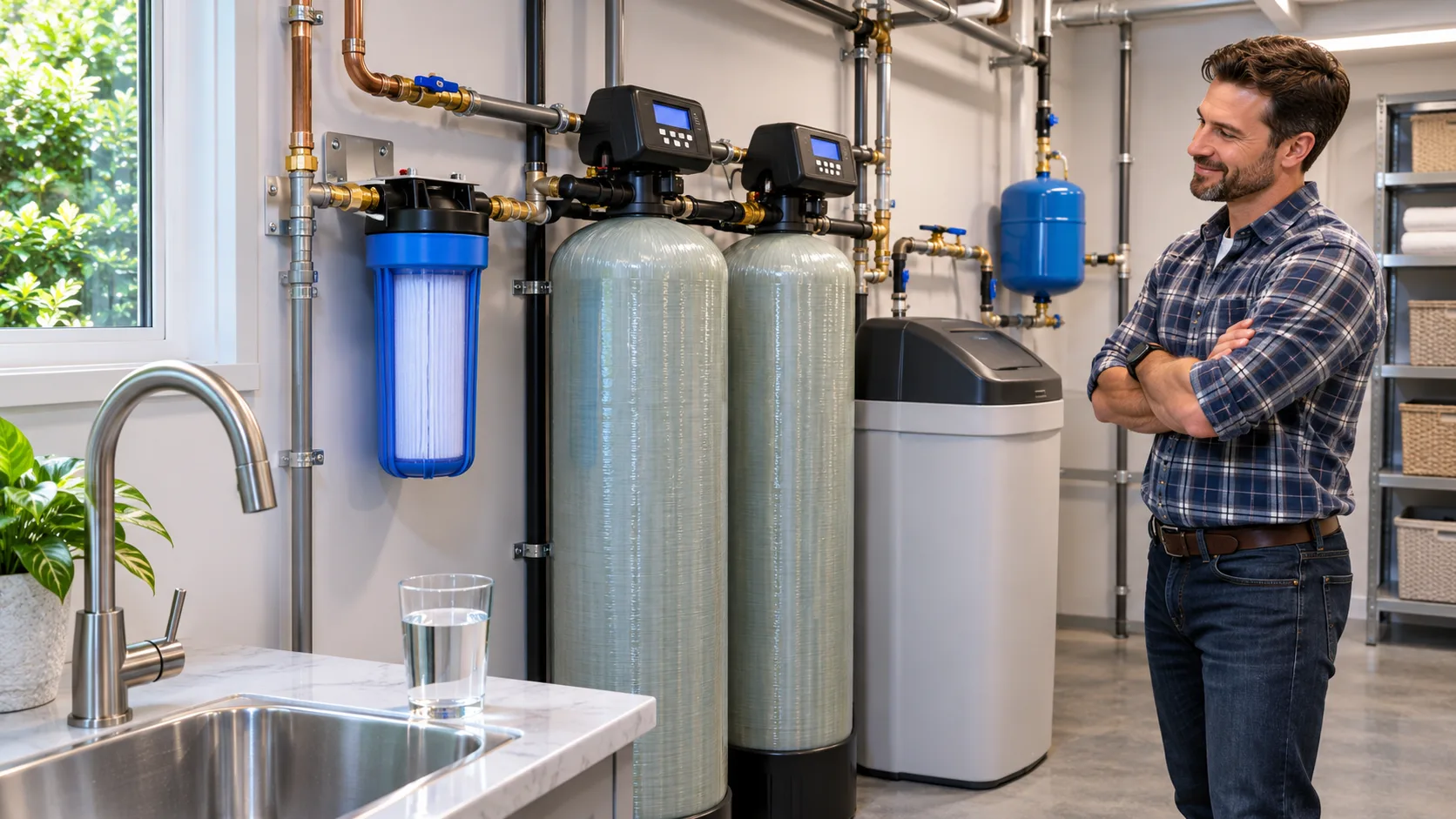
A well water filtration system helps remove unwanted contaminants, improve water quality, and provide cleaner water for everyday household use. Unlike municipal water supplies, private wells are usually not monitored by public water utilities. Therefore, homeowners are responsible for testing their water and choosing suitable treatment equipment.
Well water may contain sediment, iron, manganese, bacteria, dissolved minerals, or other contaminants. Some problems are easy to notice through unusual tastes, odors, or stains. However, harmful substances such as arsenic and nitrates can be present without changing the water’s appearance.
Choosing the right filtration system does not have to be complicated. Understanding your water quality, filtration options, and maintenance requirements can help you make a confident decision. This guide explains how well water treatment works and what to consider before buying a system.
What Is a Well Water Filtration System?
A well water filtration system is equipment designed to remove specific impurities from water supplied by a private well. Depending on the technology, it may reduce particles, metals, microorganisms, unpleasant odors, or certain dissolved chemicals. The right system improves water quality by addressing contaminants identified through testing.
Most filtration systems connect to a home’s plumbing and treat water before it reaches faucets, showers, and appliances. Some installations use several treatment stages to address different problems. For example, a sediment filter may remove sand while a separate iron filter reduces dissolved iron that causes staining.
Not every system makes contaminated water safe to drink. Some filters improve taste and appearance without removing dangerous microorganisms or dissolved chemicals. Therefore, homeowners should choose treatment equipment based on laboratory results rather than appearance, marketing claims, or general recommendations.
Why Well Water Needs Proper Filtration
Private well water comes from underground sources that interact with soil, rocks, minerals, and surrounding environmental conditions. These natural interactions can introduce iron, manganese, hardness minerals, and other substances. Agricultural activities, nearby septic systems, and industrial contamination may also affect groundwater quality in certain locations.
Water quality can change over time because of rainfall, flooding, nearby construction, or changes in groundwater conditions. A well that previously produced clean water may develop new contamination problems. Regular testing helps homeowners recognize these changes before they affect drinking water quality or household plumbing.
Filtration can protect fixtures, reduce unpleasant water characteristics, and address certain health-related contaminants when the appropriate technology is selected. However, filtration alone cannot solve every well water problem. Some situations require disinfection, water softening, well repairs, or a combination of different treatment methods.
Common Contaminants Found in Well Water
Sediment is one of the most noticeable problems in private wells. Sand, silt, clay, and rust particles may make water look cloudy or leave deposits inside plumbing fixtures. Although visible sediment is not always dangerous, it can clog filters, damage equipment, and reduce the performance of other treatment systems.
Iron and manganese are also common groundwater concerns. Iron often causes reddish-brown stains, while manganese may create dark deposits on sinks, toilets, and laundry. Hydrogen sulfide can produce a rotten-egg smell, while calcium and magnesium contribute to hard water and mineral buildup.
Other contaminants require special attention because they may not produce visible warning signs. These include bacteria, nitrates, arsenic, lead, and certain pesticides or industrial chemicals. Testing is necessary to identify these substances, and their removal depends on using equipment specifically designed and verified for each contaminant.
How Does a Well Water Filtration System Work?
A well water filtration system works by passing water through treatment materials or equipment that target specific impurities. Some filters physically trap particles, while others use chemical reactions, adsorption, membranes, or ion exchange. Each method addresses different water quality concerns and has its own operating limitations.
Sediment cartridges, for example, capture suspended particles as water moves through their filtering material. Activated carbon can adsorb certain organic chemicals and compounds responsible for unpleasant tastes or odors. Reverse osmosis systems use specialized membranes to reduce many dissolved substances, although their effectiveness depends on the contaminant and system design.
Whole-house installations often combine several treatment technologies. Water may first pass through sediment filtration before entering specialized iron removal equipment or other treatment stages. The sequence should reflect laboratory results, flow requirements, and manufacturer recommendations to prevent unnecessary equipment costs or reduced treatment performance.
Different Types of Well Water Filtration Systems
Sediment filtration systems remove suspended particles such as sand, silt, and visible debris. They commonly use replaceable cartridges, reusable screens, or backwashing media tanks. These systems are useful when water contains particles, but they do not reliably remove dissolved chemicals or disinfect contaminated water.
Activated carbon filters improve certain taste and odor problems while reducing selected chemical contaminants. Specialized iron and manganese filters use treatment media and sometimes oxidation to remove these metals. Water softeners address hardness minerals through ion exchange, although softening should not be confused with comprehensive water purification.
Reverse osmosis systems can reduce many dissolved contaminants, while ultraviolet treatment units inactivate microorganisms under suitable operating conditions. UV treatment does not physically remove chemicals or particles. Because every technology has limitations, a complete well water treatment system may require multiple components to address several water quality problems.
Whole House vs. Under-Sink Well Water Filters
A whole-house well water filtration system treats water near the point where the supply enters the home. This arrangement is often called point-of-entry treatment. It can improve water used for bathing, laundry, cleaning, and other household activities when the installed equipment targets the relevant contaminants.
Under-sink systems treat water at a specific location, usually the kitchen faucet. These point-of-use systems are commonly selected for drinking and cooking water. Reverse osmosis and certain carbon filtration products are popular options, although individual models differ significantly in the contaminants they are certified to reduce.
Choosing between these approaches depends on where treatment is needed. Sediment, iron staining, and hardness problems may justify whole-house equipment, while certain drinking water contaminants may be addressed at the kitchen faucet. Some households benefit from both arrangements because they serve different purposes.
How to Choose the Best Well Water Filtration System
Begin by testing your water through a qualified laboratory. At minimum, private well owners should routinely check for total coliform bacteria, nitrates, total dissolved solids, and pH, with additional tests based on local risks. Testing helps identify which contaminants require treatment and prevents spending money on unsuitable equipment.
Next, evaluate your household’s water consumption and plumbing requirements. Larger households may need systems capable of maintaining adequate flow when multiple fixtures operate simultaneously. Equipment that is too small may reduce water pressure, while unnecessarily large systems can increase purchase costs and maintenance expenses.
Finally, compare product certifications, replacement filters, warranties, and maintenance needs. Look for relevant independent certifications from organizations such as NSF or WQA that verify specific contaminant reduction claims. A trustworthy supplier should explain what the equipment removes, its limitations, and whether professional installation is recommended.
Important Features to Consider Before Buying
Water flow rate is an important feature of any whole-house filtration system. Flow is commonly measured in gallons per minute and influences how much treated water can be delivered at once. Selecting equipment with sufficient capacity helps maintain comfortable water pressure during showers, laundry cycles, and simultaneous household activities.
Filter lifespan and ongoing maintenance also deserve attention. Some cartridge filters require frequent replacement, while certain media-based systems use automatic backwashing and longer service intervals. The actual maintenance schedule depends on water quality, household usage, equipment design, and the manufacturer’s operating instructions.
Certification and compatibility should remain priorities when comparing products. NSF/ANSI standards cover different treatment technologies and performance claims, so a certification number alone does not prove that every contaminant is removed. Confirm that the exact model is certified for the specific contaminants identified in your water test.
Understanding Well Water Filtration System Costs
The cost of a well water filtration system varies depending on equipment type, treatment requirements, capacity, and installation complexity. Basic sediment filters may cost relatively little, while advanced whole-house systems can cost thousands of dollars. Multiple treatment stages generally increase the initial investment because they require additional equipment and plumbing work.
Installation expenses depend on available space, existing plumbing, electrical requirements, and local labor rates. Certain systems need drain connections, electrical outlets, or dedicated equipment areas. Professional assessments can reveal whether your home requires plumbing modifications or additional components before installation can be completed properly.
Operating costs are just as important as the purchase price. Replacement cartridges, treatment media, electricity, water used for backwashing, and periodic servicing can affect long-term expenses. Comparing total ownership costs helps homeowners choose a practical system rather than focusing only on the lowest advertised price.
How to Install a Well Water Filtration System
Installation begins with identifying a suitable location near the main water supply line. Whole-house systems are generally installed after the pressure tank, although the exact arrangement depends on the equipment and plumbing design. The installation area should offer sufficient clearance for maintenance, filter replacement, and access to necessary connections.
Some basic cartridge filters can be installed by homeowners with suitable plumbing experience. However, advanced treatment systems may require electrical connections, drainage arrangements, backwashing controls, and professional setup. Incorrect installation can cause leaks, pressure problems, or ineffective contaminant removal, making qualified assistance valuable.
After installation, the system should be flushed, checked for leaks, and operated according to manufacturer instructions. Water testing should confirm that the treatment is performing as intended, especially when the original concern involves health-related contaminants. Installation alone does not prove that treated water meets drinking water safety requirements.
Maintaining Your Well Water Filtration System
Routine maintenance helps filtration equipment continue working effectively. Sediment cartridges may gradually clog as particles accumulate, while carbon filters can lose treatment capacity over time. Following the manufacturer’s replacement schedule reduces the risk of reduced water flow and ineffective contaminant removal.
Backwashing filters need adequate water pressure and proper drainage to clean their treatment media. Water softeners may require salt replenishment, while UV systems need scheduled lamp replacement and clean protective sleeves. Reverse osmosis systems also require periodic membrane and cartridge maintenance according to the equipment’s specifications.
Water quality should be monitored even when the system appears to work normally. Private wells should generally be tested at least annually, with additional testing after flooding, repairs, or noticeable changes. Testing before and after treatment can help determine whether equipment continues to reduce the targeted contaminants effectively.
Signs Your Well Water Filtration System Needs Attention
A noticeable reduction in water pressure may indicate clogged filters or other equipment problems. Sediment cartridges can restrict water flow as trapped particles accumulate. However, pressure changes may also come from plumbing issues, pressure tank problems, or changes in well performance that require separate investigation.
Unusual odors, discoloration, and recurring stains may suggest that treatment equipment is no longer performing as expected. Brown water can indicate iron or suspended particles, while black deposits may be associated with manganese. Changes in smell or taste should prompt appropriate testing rather than assumptions about the cause.
Health-related contaminants may remain present even when water looks and tastes normal. Therefore, homeowners should not rely only on visible warning signs to judge system performance. If testing identifies unsafe contamination, use an appropriate alternative drinking water source until the problem has been addressed and follow-up testing confirms safety.
Common Mistakes to Avoid When Choosing a System
Buying filtration equipment without testing the water is a common mistake. Different contaminants require different treatment technologies, and a general-purpose filter may not address the actual problem. Homeowners sometimes purchase expensive systems expecting complete purification, only to discover that important contaminants remain untreated.
Another mistake is overlooking flow rate and maintenance requirements. A system designed for a small household may struggle to support several bathrooms and appliances. Similarly, equipment requiring frequent cartridge replacement or specialized servicing may become inconvenient when long-term costs are not considered before purchasing.
Some buyers also assume that every independently certified filter removes bacteria, arsenic, lead, and other contaminants. In reality, certifications apply to specific standards and performance claims. Reviewing verified removal capabilities, proper installation requirements, and replacement schedules helps prevent unrealistic expectations about what a filtration system can achieve.
Benefits of Investing in the Right Well Water Filter
The right filtration system can significantly improve household water quality when it targets contaminants identified through testing. Removing sediment can reduce particles entering plumbing, while treating iron and manganese can help limit staining. Other specialized systems may improve odor, taste, or drinking water safety when properly selected and maintained.
Filtration can also support the long-term performance of household appliances and fixtures. Reducing sediment may help prevent clogged screens, valves, and other plumbing components. Where hardness is a problem, a properly selected softening system can reduce scale buildup inside water heaters and other equipment.
Perhaps the most valuable benefit is greater confidence in your household’s water treatment process. A system supported by accurate testing, suitable certifications, and regular maintenance provides a clearer understanding of what your water treatment equipment can accomplish. Continued monitoring remains essential because groundwater conditions and treatment performance can change.
Conclusion
Choosing a well water filtration system starts with understanding your household’s specific water quality concerns. Sediment, iron, bacteria, hardness minerals, and dissolved chemicals require different treatment approaches. Professional testing provides the information needed to select equipment that addresses actual contaminants instead of relying on general assumptions.
A suitable system should deliver enough water for your household while remaining practical to maintain. Whole-house filters, under-sink equipment, reverse osmosis systems, and specialized treatment technologies each serve different purposes. Comparing verified contaminant reduction claims, installation requirements, and ongoing expenses can help you make a more informed purchase.
Remember that even the best well water filter requires proper maintenance and continued water testing. Groundwater conditions may change, and treatment equipment can become less effective over time. With the right combination of testing, filtration, and routine care, homeowners can manage private well water quality more confidently.
Frequently Asked Questions
What is the best filtration system for well water?
The best filtration system depends on your water test results. Sediment filters remove particles, iron filters address staining, and reverse osmosis can reduce certain dissolved contaminants. Some wells require multiple treatment technologies.
How much does a whole-house well water filtration system cost?
Costs vary widely based on treatment needs and system size. Basic equipment may cost a few hundred dollars, while advanced installations can cost several thousand dollars, excluding some maintenance expenses.
Can a well water filtration system remove bacteria?
Certain treatment methods, including properly designed UV disinfection and other approved systems, can inactivate or remove microorganisms. Ordinary sediment and carbon filters should not be assumed to make bacterially contaminated water safe.
How often should well water filters be replaced?
Replacement schedules depend on filter design, water quality, and household usage. Some cartridges need replacement every few months, while specialized media may last longer. Always follow manufacturer recommendations and verify treatment performance.
Do I need both a water softener and a well water filtration system?
You may need both when your well contains hardness minerals and other contaminants. Water softeners primarily reduce calcium and magnesium, while filtration equipment addresses different impurities according to its specific treatment capabilities.