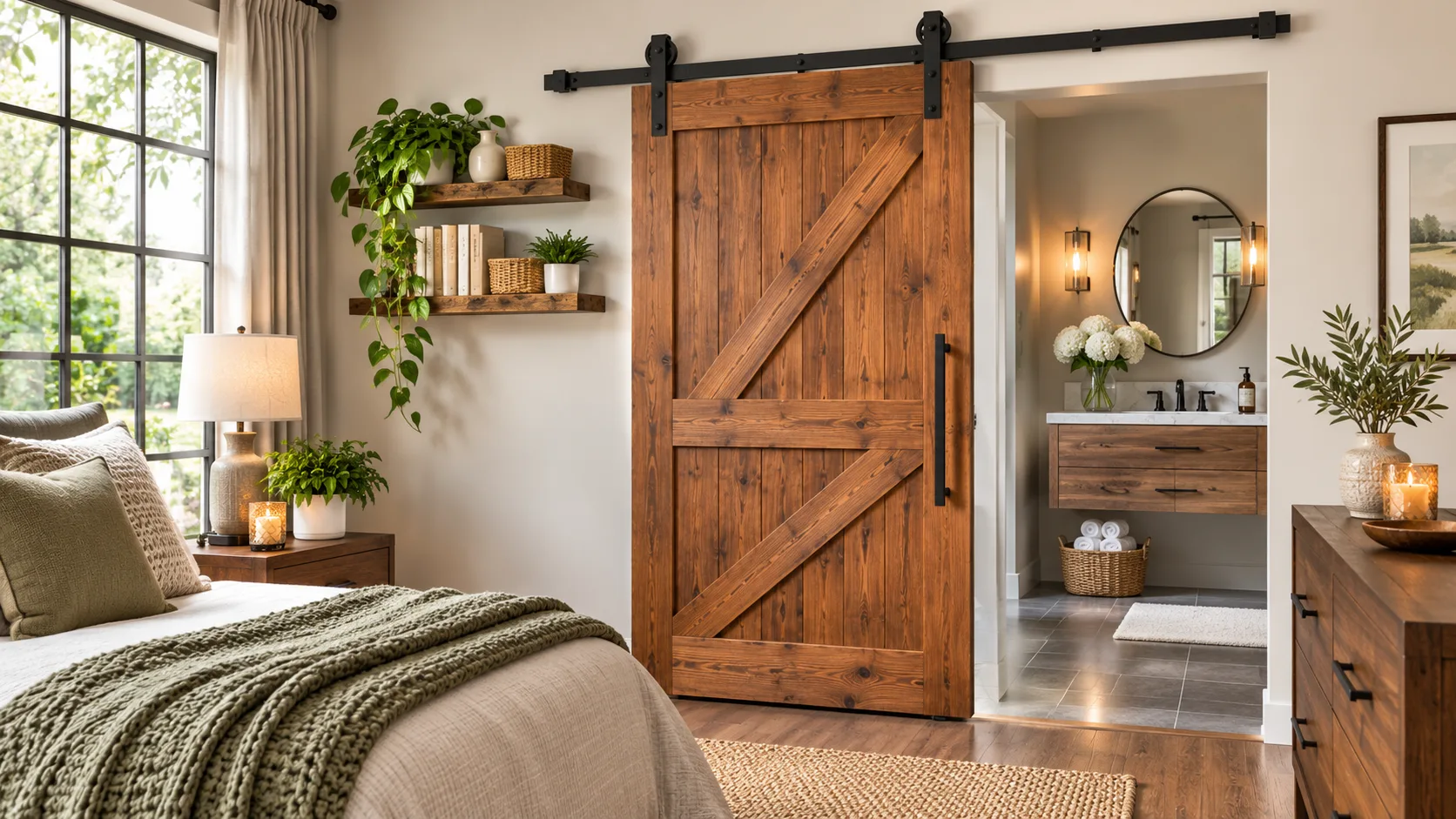
A sliding barn door is a stylish and practical way to upgrade your home’s interior. Unlike traditional hinged doors, it moves along a wall-mounted track, creating a distinctive look while keeping the floor area clear of a swinging door. From rustic bedrooms to modern living spaces, barn doors can complement many interior design styles.
However, choosing the right sliding barn door involves more than finding an attractive design. You need to consider the door material, hardware quality, wall space, installation requirements, and overall cost. A well-chosen door should look appealing while providing smooth movement and dependable everyday performance.
Whether you are remodeling your home or planning a simple interior upgrade, understanding your options makes the buying process easier. This guide explores popular sliding barn door styles, materials, design ideas, installation considerations, and helpful buying tips. It also explains common mistakes to avoid so you can make a confident decision.
What Is a Sliding Barn Door?
A sliding barn door is an interior door that hangs from a horizontal track installed above an opening. Instead of swinging inward or outward, the door slides sideways along the wall. This movement makes it different from traditional hinged doors and gives rooms a distinctive architectural feature without requiring a conventional door-swing area.
Originally inspired by doors used on agricultural buildings, modern barn doors have become popular in residential interior design. Manufacturers now offer everything from natural wooden panels to sleek glass and metal combinations. As a result, homeowners can incorporate these doors into farmhouse, contemporary, industrial, and minimalist interiors without sacrificing their preferred decorating style.
Most sliding barn door systems include a door panel, mounting track, rollers, door stops, and a floor guide. These components work together to support the door and control its movement. Although the design appears simple, choosing compatible hardware and installing it correctly are essential for safe, reliable, and long-lasting operation.
Why Choose a Sliding Barn Door for Your Home?
One major benefit of a sliding barn door is its ability to eliminate the space needed for a swinging door. This feature can be useful in bedrooms, hallways, closets, and compact home offices. However, the wall beside the opening must remain clear enough for the door to slide completely open without hitting obstacles.
Another advantage is its decorative appeal, which can transform an ordinary doorway into an attractive focal point. A wooden barn door introduces natural texture, while a black metal frame creates a modern appearance. Because these doors are available in different finishes, homeowners can coordinate them with existing furniture, flooring, wall colors, and architectural details.
Sliding barn doors can also provide flexible separation between connected living areas. For example, you can close a home office during working hours or conceal a laundry area when visitors arrive. However, most standard systems do not seal as tightly as hinged doors, making them less suitable where strong soundproofing or complete privacy is essential.
Popular Sliding Barn Door Styles for Different Interiors
Rustic sliding barn doors remain a popular choice for farmhouse-inspired homes and traditional interiors. These designs often feature visible wood grain, natural knots, and decorative cross-bracing. Reclaimed wood can add character, while distressed finishes create an aged appearance. Pairing rustic doors with black steel hardware helps establish a warm, welcoming atmosphere without making the surrounding space feel overly decorative.
Modern sliding barn door styles focus on simple lines, smooth surfaces, and understated hardware. Flat-panel doors in white, charcoal, or natural oak can complement contemporary bedrooms and living rooms. Some designs include hidden-looking hardware or slim metal frames that create a cleaner appearance. These choices work particularly well when homeowners want functionality without introducing excessive visual detail.
Industrial and transitional barn doors offer additional design possibilities for different decorating preferences. Industrial styles frequently combine dark metal frames with textured wood or glass panels. Transitional designs blend classic profiles with modern finishes, making them suitable for homes with mixed furniture styles. Selecting a style that complements existing architecture generally produces a more balanced appearance than following temporary design trends.
Creative Sliding Barn Door Ideas for Every Room
A sliding barn door for a bedroom can create an attractive entrance while saving the space required for a swinging panel. Light-colored wood and neutral finishes help maintain a calm atmosphere. For bedroom applications, consider how much light and sound may pass around the door. Choosing suitable hardware and thoughtful placement can improve everyday convenience.
In living rooms, sliding doors can separate entertainment spaces from dining rooms or home offices. Double sliding barn doors are particularly effective for wider openings and can create a symmetrical architectural feature. Glass-paneled designs allow natural light to travel between spaces, while solid panels provide greater visual separation. Both options can support flexible room arrangements.
Bathrooms, kitchens, and laundry rooms also offer opportunities for creative barn door designs. Frosted glass can provide visual screening, while painted wood panels can match surrounding cabinets and walls. However, bathroom doors should have suitable privacy features and durable moisture-resistant finishes. Every installation should also account for switches, outlets, fixtures, and available wall clearance.
Best Materials for Sliding Barn Doors
Solid wood is a traditional sliding barn door material known for its natural appearance and durable construction. Pine, oak, maple, and other wood species offer different grain patterns and finishes. Solid wood can be refinished when necessary, although heavier panels require appropriately rated hardware. Changes in indoor humidity may also cause natural wood to expand or contract.
Engineered wood products, including MDF and plywood, provide alternatives for homeowners seeking consistent surfaces and painted finishes. MDF is commonly used for smooth decorative panels, while quality plywood offers layered construction that can provide good dimensional stability. Material performance varies by grade and manufacturing quality. Moisture resistance and edge finishing are particularly important considerations.
Glass and metal doors create different visual effects and may suit contemporary interiors. Tempered or laminated safety glass can introduce brightness while providing a modern appearance when properly specified. Metal frames offer structural support and an industrial aesthetic. However, glass weight, hardware compatibility, safety requirements, and cleaning needs should all influence the final material selection.
How to Choose the Right Sliding Barn Door Size
Accurate measurements are essential when selecting a sliding barn door for an interior opening. Begin by measuring the opening’s width and height, then check surrounding wall space. The door should generally extend beyond the opening to provide reasonable visual coverage. The exact overlap depends on the hardware arrangement, trim, and desired level of privacy.
A common starting point is choosing a door approximately two to four inches wider than the opening. Height requirements depend on the mounting track, roller design, and recommended floor clearance. Always follow the hardware manufacturer’s measurements instead of relying on one universal formula. This helps prevent unexpected gaps, dragging, and problems during installation.
Wall clearance is equally important because the door must travel sideways when opened. Check for electrical outlets, light switches, wall decorations, furniture, and nearby doorways. Double barn door systems require suitable space on both sides of the opening. Measuring the entire movement path before purchasing can prevent expensive installation adjustments later.
Understanding Sliding Barn Door Hardware and Tracks
Sliding barn door hardware plays a major role in how smoothly and safely the door operates. A typical kit includes a metal track, rollers, mounting brackets, stops, and a floor guide. Some kits also include anti-jump devices and soft-close accessories. High-quality components should match the door’s weight, dimensions, thickness, and intended installation arrangement.
Steel tracks are commonly selected for their durability and ability to support substantial loads when properly installed. Stainless steel components may be useful where humidity or corrosion is a concern. Roller designs also influence movement and operating noise. Look for clear load ratings, suitable bearings, and manufacturer instructions that explain required mounting conditions.
Soft-close hardware can make a sliding barn door more comfortable to use by slowing its movement near the end of travel. This feature can reduce sudden impacts and help protect surrounding surfaces. Floor guides keep the panel aligned, while correctly positioned stops prevent excessive travel. These components should never be omitted simply to improve appearance.
Sliding Barn Door Colors and Finishes That Look Stylish
Natural wood finishes remain versatile because they highlight grain patterns and introduce warmth. Light oak, maple, and natural pine work well with neutral walls and simple furnishings. Dark walnut finishes can create a richer appearance in traditional or contemporary rooms. Choosing a stain that complements nearby flooring helps produce a coordinated result without requiring identical colors.
Painted sliding barn doors offer flexibility for homeowners who prefer a cleaner or more colorful look. White and cream finishes create a bright appearance, while charcoal and deep navy introduce contrast. Muted green and soft gray can also complement modern interiors. Before selecting a color, consider the room’s lighting and surrounding materials.
Hardware finishes contribute significantly to the completed door design. Matte black tracks can complement farmhouse and industrial styles, while brushed nickel creates a subtler appearance. Bronze finishes introduce a warmer decorative detail. Matching every metal fixture is not necessary, but maintaining a consistent overall design language can make the room feel thoughtfully arranged.
Sliding Barn Door Buying Tips for Better Value
Before buying a sliding barn door, identify the main reason you want one. Some homeowners prioritize decorative appeal, while others need to separate living areas or improve access around furniture. Understanding the intended application helps narrow material, size, hardware, and finish choices. It also reduces the chance of purchasing a visually attractive door that performs poorly.
Compare the complete product package rather than focusing only on the advertised door price. Some products include tracks, rollers, handles, and guides, while others provide only the door panel. Additional purchases can increase the total project cost considerably. Check hardware specifications, included accessories, shipping requirements, warranty coverage, and return conditions before ordering.
Customer reviews can provide useful information about installation difficulty, hardware noise, and finish durability. However, look for detailed feedback from buyers who installed similar door sizes and materials. Product photographs and manufacturer dimensions should support your decision. Whenever possible, examine sample finishes or display models to better understand the door’s actual appearance.
How Much Does a Sliding Barn Door Cost?
The cost of a sliding barn door varies depending on its size, material, construction, finish, and hardware. Basic engineered-wood door panels may be more affordable than premium solid-wood or custom-built models. Glass and metal combinations can also increase the purchase price. Comparing similar specifications is more useful than choosing the least expensive advertised option.
For general planning, basic interior barn door kits in the United States may cost roughly $150 to $400, while higher-end or custom options can exceed $1,000. These are broad illustrative ranges rather than guaranteed current prices. Regional markets, finishes, hardware packages, and shipping charges can change the final amount substantially.
Professional installation adds another expense, particularly when structural reinforcement or custom modifications are necessary. Labor costs depend on wall construction, mounting conditions, door weight, and project complexity. Homeowners should also budget for handles, trim adjustments, and finishing materials when required. Requesting an itemized estimate helps clarify the complete project cost before work begins.
Sliding Barn Door Installation: What to Know
Installing a sliding barn door begins with confirming that the supporting wall can safely carry the complete system. The mounting track must be secured to suitable structural framing or an appropriately engineered support arrangement. Drywall anchors alone are generally not adequate for heavy hanging doors. Manufacturer instructions and local building requirements should guide the installation process.
Correct track alignment is important because small installation errors can affect door movement. The track must be positioned at the recommended height and secured using compatible mounting hardware. Installers must also account for baseboards, door casing, and wall irregularities. A level track and properly adjusted rollers help the door move smoothly without unwanted drifting.
Some homeowners can install lightweight systems themselves when they have suitable tools, experience, and verified structural mounting points. However, heavier panels, glass doors, and unusual wall conditions may require professional assistance. Incorrect installation can create falling or derailment hazards. Testing the stops, anti-jump devices, and floor guide is essential before regular use.
Common Sliding Barn Door Problems and Solutions
One common sliding barn door problem is unwanted movement when the door should remain stationary. This can happen when the track is not level or the roller system is improperly adjusted. Depending on the hardware design, correcting track alignment may resolve the issue. Always follow manufacturer guidance and avoid adjustments that compromise secure mounting.
Poor privacy is another concern because traditional barn doors usually leave small gaps around the edges. These openings can allow light, sound, and air to pass between rooms. Larger door overlaps and compatible seals may improve coverage, but they rarely provide the same performance as a properly fitted hinged door. Consider these limitations before installing one in a sensitive area.
Noisy rollers, loose hardware, and damaged finishes can also develop with frequent use. Regular inspection helps identify worn components before they become serious problems. Cleaning the track and tightening hardware according to manufacturer recommendations can improve performance. If a door repeatedly sticks, tilts, or shifts unexpectedly, stop using it until the underlying issue is corrected.
Sliding Barn Door vs. Traditional Hinged Door
A sliding barn door and a traditional hinged door serve similar purposes, but their movement and installation requirements differ. Barn doors travel alongside the wall, while hinged doors rotate through an opening. This distinction affects furniture placement, available floor space, and the overall room layout. Neither design is automatically better for every home.
Traditional hinged doors usually provide better options for sealing, locking, sound reduction, and privacy. Sliding barn doors are generally more decorative and eliminate the need for a door-swing area. However, they require unobstructed wall space and suitable mounting support. Evaluating these practical differences is important when choosing doors for bedrooms, bathrooms, and shared areas.
Cost and maintenance requirements also vary between the two systems. Hinged doors use familiar hinges and frames, while barn doors rely on tracks, rollers, and guides. Both require occasional inspection and maintenance to remain dependable. The best choice depends on your priorities, available space, interior style, and how the doorway will be used.
How to Maintain a Sliding Barn Door
Regular maintenance helps preserve the appearance and performance of a sliding barn door. Dust can collect along the track and around roller components, potentially affecting movement over time. Wipe accessible surfaces with a suitable soft cloth and follow the hardware manufacturer’s cleaning recommendations. Avoid harsh cleaning products that could damage protective finishes or mechanical components.
Wooden barn doors benefit from stable indoor humidity and cleaning methods appropriate for their finish. Excessive moisture can affect some wood products, especially poorly sealed edges. Painted panels may need occasional touch-ups where scratches or chips appear. Glass doors should be cleaned using products compatible with their glazing and frame materials.
Inspect rollers, mounting fasteners, door stops, and floor guides periodically for looseness or visible wear. If the door becomes unusually noisy or difficult to operate, investigate the cause instead of forcing it. Replace damaged components with compatible parts. Consistent care can help maintain smooth operation and protect your investment over time.
Conclusion
A sliding barn door can add character, improve room organization, and create a distinctive interior design feature. With options ranging from rustic wood to contemporary glass and metal, homeowners can find styles that complement different spaces. The key is balancing visual appeal with the practical needs of the room.
Before purchasing, carefully consider measurements, construction materials, hardware specifications, privacy requirements, and the complete installation cost. Proper structural support and compatible components are essential for dependable operation. Taking these steps helps avoid common mistakes and ensures that the finished door functions as intended.
Whether you are updating a bedroom, dividing a living area, or improving a closet entrance, a thoughtfully selected sliding barn door can become a valuable home feature. Choose a design that suits your surroundings and everyday routine. With proper installation and maintenance, it can deliver attractive results for years.
Frequently Asked Questions
Are Sliding Barn Doors Still in Style?
Yes, sliding barn doors remain a relevant interior design option, especially in farmhouse, industrial, and modern homes. Simple profiles, natural finishes, and carefully selected hardware help create a timeless appearance.
Do Sliding Barn Doors Save Space?
Sliding barn doors eliminate the floor area needed for a traditional door swing. However, they require clear wall space beside the opening, so they are not necessarily suitable for every small room.
Can You Install a Sliding Barn Door on Any Wall?
Not every wall is suitable without modification. The mounting system needs adequate structural support, suitable clearance, and compatible hardware. Some installations require additional reinforcement or professional assessment before the door can be installed safely.
Are Sliding Barn Doors Good for Bathrooms?
Sliding barn doors can work for bathrooms, but privacy and moisture resistance require attention. Most standard designs leave perimeter gaps, so choose appropriate materials, visual screening, and compatible locking hardware where needed.
What Is the Best Material for a Sliding Barn Door?
The best material depends on your budget, preferred style, and intended use. Solid wood provides natural character, engineered wood offers versatile painted finishes, and glass or metal designs suit contemporary interiors.