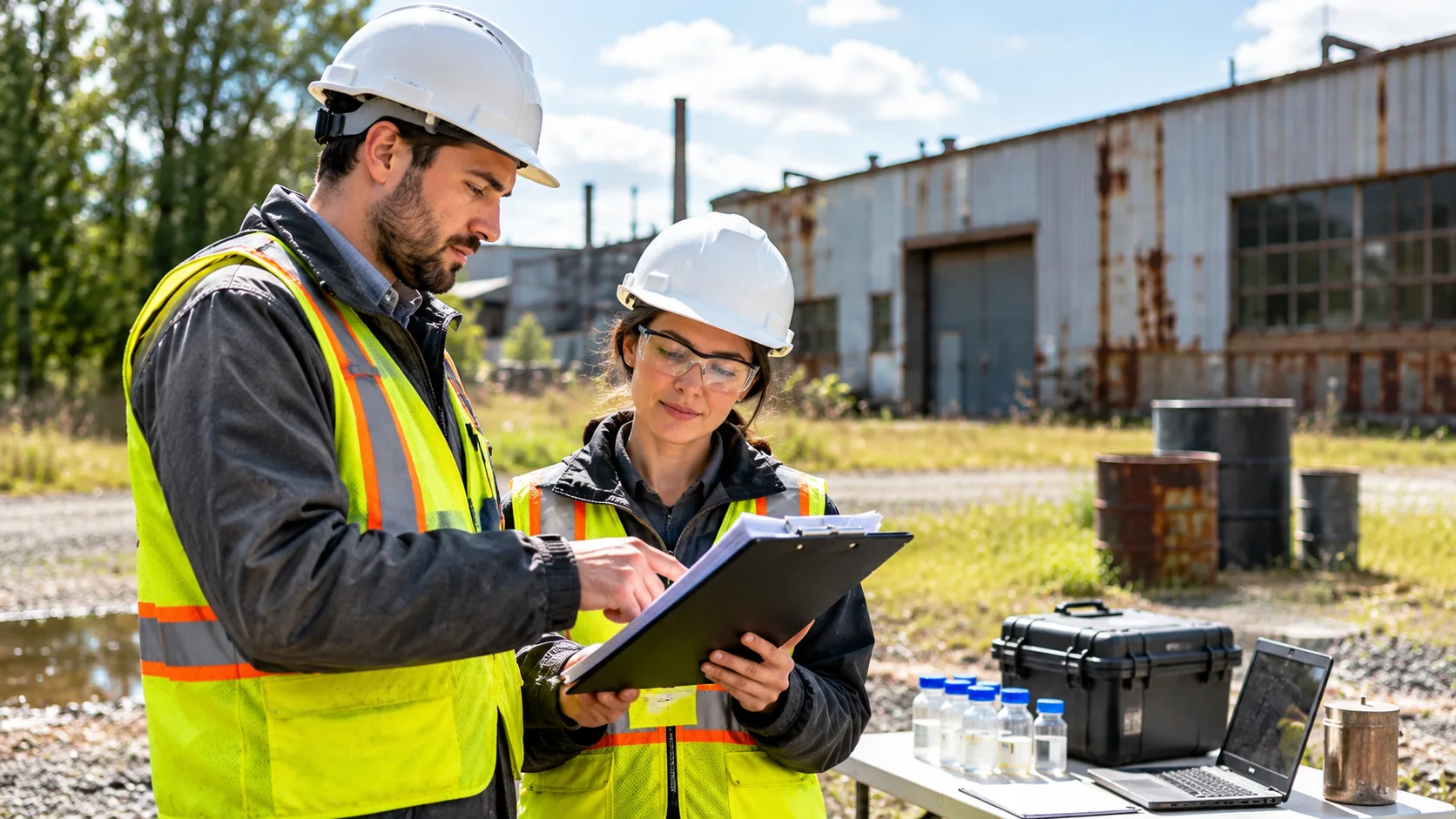
Understanding the Phase 1 Environmental Site Assessment cost is important when buying, financing, or developing commercial property. Environmental concerns can affect property value, financing decisions, and future development plans. A Phase I Environmental Site Assessment helps identify potential contamination concerns before a transaction is completed. Knowing the expected expenses allows buyers, investors, and property owners to plan their budgets more effectively.
In the United States, a standard Phase 1 Environmental Site Assessment typically costs between $1,800 and $5,000 in 2026. However, the final price depends on property size, location, historical land use, and the complexity of the investigation. Larger industrial properties or sites with complicated environmental histories may require more extensive research and higher fees.
This guide explains Phase 1 Environmental Site Assessment pricing, what the assessment includes, and the factors that influence costs. It also covers additional expenses, assessment timelines, and practical ways to choose a qualified environmental consultant without sacrificing report quality.
What Is a Phase 1 Environmental Site Assessment?
A Phase 1 Environmental Site Assessment, commonly called a Phase I ESA, is an investigation of a property’s potential environmental contamination concerns. It focuses on identifying conditions that may indicate the presence or likely presence of hazardous substances or petroleum products. The assessment commonly involves historical research, government record reviews, interviews, and site observations. It is widely used in commercial real estate transactions.
Environmental professionals typically conduct these assessments according to ASTM E1527-21, a recognized industry standard in the United States. This standard outlines procedures for evaluating potential environmental concerns associated with commercial properties. The investigation helps identify recognized environmental conditions, often called RECs. These findings may influence purchasing decisions, financing requirements, or recommendations for additional investigation.
A Phase I ESA generally does not include collecting soil, groundwater, or building material samples. Instead, it evaluates available information and observable conditions to determine whether further investigation may be appropriate. This distinction helps property buyers understand the assessment’s limitations. A Phase II Environmental Site Assessment may follow if additional testing is warranted.
How Much Does a Phase 1 Environmental Site Assessment Cost?
The typical Phase 1 Environmental Site Assessment cost for a straightforward commercial property ranges from approximately $1,800 to $5,000. Smaller properties with uncomplicated histories may fall toward the lower end. Larger facilities or properties with extensive industrial activity often cost more. These figures represent general U.S. market estimates rather than fixed nationwide prices.
For example, a small retail property with a straightforward ownership and land-use history may require less research than an abandoned industrial facility. A warehouse with multiple former occupants could also need additional historical investigation. As the work becomes more complicated, consulting fees generally increase. Requesting a property-specific quote provides a more accurate estimate.
Some environmental consulting firms offer standard pricing for common property types, while others calculate fees individually. Additional requirements can include expedited delivery, specialized research, or lender-specific documentation. Buyers should confirm exactly what is included before accepting a proposal. A complete quotation helps prevent unexpected expenses during environmental due diligence.
Factors That Affect Phase 1 Environmental Site Assessment Cost
Property size is one of the main factors influencing environmental assessment pricing. Larger sites may require additional inspection time, historical research, and evaluation of multiple structures. A property covering several acres can present more complex conditions than a small commercial parcel. However, acreage alone does not determine the final assessment fee.
Historical property use also plays an important role in estimating costs. Former manufacturing facilities, vehicle repair shops, gas stations, and dry-cleaning properties may require closer examination. These locations can have histories involving petroleum products, industrial chemicals, or other potential contamination sources. Reviewing extensive historical information can increase consultant workload and project expenses.
Location and property accessibility can also affect pricing. Remote properties may involve higher travel expenses, while urban sites can require detailed research into neighboring land uses. Multiple parcels, limited records, and difficult site access may add complexity. Understanding these factors helps property buyers evaluate why environmental assessment quotations differ.
What Is Included in a Phase 1 ESA Cost?
A standard Phase I ESA generally includes a historical review of the property and surrounding area. Environmental consultants may examine aerial photographs, historical maps, city directories, and previous property records. These resources help identify former land uses that could indicate environmental concerns. The amount of available historical information can affect the time required.
The assessment also includes relevant regulatory database research and a site reconnaissance visit. Consultants examine available government records and observe accessible property conditions. Interviews with owners, occupants, or other knowledgeable individuals may provide additional background. These steps help environmental professionals evaluate potential contamination concerns and identify relevant information gaps.
After completing the investigation, the consultant prepares a written environmental assessment report. The document summarizes research findings, site observations, identified environmental conditions, and professional conclusions. It may also explain limitations or recommend further investigation. Buyers should confirm that the quoted fee includes a complete report prepared under the appropriate ASTM standard.
Phase 1 ESA Costs for Different Property Types
Different commercial property categories can have different environmental assessment requirements. A typical office building or retail location may have a relatively straightforward land-use history. These properties often fall within standard pricing ranges when no unusual concerns appear. However, previous occupants and neighboring activities can still affect the investigation.
Industrial properties often require more detailed research because of their historical operations. Manufacturing plants, storage facilities, and automotive businesses may have handled materials associated with potential contamination. Environmental consultants may need to review historical permits, industrial activities, and government records. This additional work can increase the overall Phase I ESA cost.
Vacant land, agricultural properties, and multi-parcel developments can also present unique challenges. Former agricultural operations may have involved chemical storage, while undeveloped land can contain historical dumping areas. Larger sites may require additional inspection coverage and historical analysis. Property-specific conditions are more important than assuming an entire category has a fixed price.
Phase 1 vs Phase 2 Environmental Site Assessment Cost
A Phase I ESA and a Phase II ESA serve different purposes during environmental due diligence. Phase I focuses on records, interviews, and visual observations to identify potential environmental concerns. Phase II involves targeted investigation that may include soil, groundwater, or soil vapor sampling. Because Phase II requires fieldwork and laboratory analysis, it generally costs more.
A standard Phase I assessment commonly costs approximately $1,800 to $5,000. A relatively straightforward Phase II investigation may cost around $10,000 to $30,000, although complex projects can exceed this range considerably. The final amount depends on sampling requirements, site conditions, laboratory testing, and investigation objectives. These estimates should not be treated as guaranteed project prices.
A Phase II ESA is not automatically required after every Phase I assessment. Environmental professionals may recommend additional investigation when identified conditions justify further evaluation. Buyers and lenders can then review the findings and determine appropriate next steps. Understanding both assessment stages helps prevent confusion when planning environmental due diligence expenses.
Why Commercial Property Buyers Need a Phase 1 ESA
Commercial property buyers often request environmental assessments to identify potential liabilities before purchasing real estate. Historical contamination can create financial and legal complications even when the current owner did not cause the original problem. A Phase I ESA helps uncover warning signs that might otherwise remain unnoticed. This information supports more informed purchasing decisions.
A properly conducted assessment can also help buyers satisfy the All Appropriate Inquiries requirements under federal environmental law. These requirements form part of the eligibility criteria for certain protections under the Comprehensive Environmental Response, Compensation, and Liability Act. However, completing an assessment alone does not guarantee immunity from liability. Additional conditions and continuing obligations may apply.
Environmental due diligence can also influence property negotiations and future development plans. If potential contamination concerns appear, buyers may request additional information or reconsider project costs. In some cases, the findings support decisions about further investigation or contractual protections. Identifying concerns before acquisition provides more opportunities to evaluate financial exposure.
How Long Does a Phase 1 Environmental Site Assessment Take?
A typical Phase 1 Environmental Site Assessment often takes approximately two to four weeks to complete. The actual timeline depends on property complexity, consultant availability, and access to historical records. Straightforward projects may be completed sooner when information is readily available. Complicated properties may require additional research or coordination.
The process usually begins with gathering property details and ordering relevant environmental records. A consultant then performs the site visit, conducts interviews, and reviews historical information. After evaluating the findings, the environmental professional prepares the final report. Delays may occur when property access is restricted or important records are difficult to obtain.
Rush services may be available when buyers face approaching transaction deadlines. However, expedited delivery can involve additional charges and may not be practical for every property. Buyers should contact environmental consultants early in the purchasing process. Providing complete property information can help reduce avoidable delays and improve scheduling accuracy.
How Long Is a Phase 1 Environmental Site Assessment Valid?
A Phase I ESA does not have a single universal expiration date for every possible purpose. For federal All Appropriate Inquiries compliance, the investigation must meet specific timing requirements before property acquisition. The overall inquiry must be conducted within one year before acquisition. Certain important components must be conducted or updated within 180 days.
These time-sensitive components include interviews, government records reviews, visual inspections, environmental professional declarations, and environmental cleanup lien searches. The applicable dates relate to when individual activities were completed, not simply the report’s cover date. Buyers should confirm these details before relying on an older assessment. Transaction timing can affect whether updates are necessary.
Lenders and other parties may also impose their own report acceptance requirements. An existing Phase I ESA might need updates when a transaction is delayed. If the investigation is too old, a new assessment may be required for the intended purpose. Consulting a qualified professional helps determine whether previous findings remain suitable.
Who Pays for a Phase 1 Environmental Site Assessment?
The responsibility for paying Phase I ESA costs usually depends on the real estate transaction agreement. Buyers often cover the expense because the assessment supports their purchasing and financing decisions. However, sellers, developers, or other parties may agree to pay under certain arrangements. There is no single payment structure for every transaction.
Commercial lenders frequently require environmental due diligence before approving particular property loans. Depending on the lending program, the lender may order the assessment and charge the borrower. Some financing arrangements include specific requirements for consultant selection and report reliance. Borrowers should confirm these conditions before independently commissioning an assessment.
Payment responsibilities can also become part of property negotiations. A seller may already possess an environmental report that provides useful background information. However, an older report may not satisfy the new buyer’s legal or financing requirements. Reviewing the agreement carefully helps clarify who pays for assessments, updates, and possible additional investigations.
How to Choose a Qualified Environmental Consultant
Selecting a qualified environmental consultant is important because the value of an assessment depends on its completeness and professional accuracy. Look for experience with Phase I ESAs and familiarity with ASTM E1527-21 requirements. Consultants should understand the applicable federal environmental due diligence framework. Relevant experience with similar property types can also be valuable.
Ask potential consultants about their qualifications, inspection procedures, report contents, and expected turnaround time. The assessment should be conducted or supervised by an environmental professional who meets applicable qualification requirements. Request information about limitations, extra charges, and report reliance conditions. Clear proposals make it easier to compare services fairly.
Avoid choosing a consultant based entirely on the lowest quoted price. An incomplete or unsuitable assessment may create additional delays or require further work. Compare the proposed scope, professional qualifications, and ability to meet transaction requirements. Paying for a properly completed assessment can provide greater value than selecting an inadequate service.
How to Reduce Phase 1 Environmental Site Assessment Costs
One practical way to manage Phase I ESA expenses is to collect relevant property information before requesting quotations. Provide the address, parcel details, current use, available historical records, and transaction deadline. Complete information helps consultants estimate the required work accurately. It may also reduce unnecessary administrative delays and repeated information requests.
Request written quotations from qualified environmental consulting companies and compare their proposed services. Check whether each estimate includes regulatory database research, historical review, site inspection, interviews, and the final report. Confirm whether travel expenses and additional research are included. Comparing equivalent scopes helps avoid misleading price differences.
Planning the assessment early can also reduce unnecessary expenses associated with urgent delivery. Coordinate site access and provide requested documents promptly. Avoid removing essential investigation steps merely to lower the price. The objective is to manage costs while maintaining the quality needed for responsible environmental due diligence.
Conclusion
The Phase 1 Environmental Site Assessment cost generally ranges from $1,800 to $5,000 for a standard commercial property in the United States. However, larger properties, industrial histories, and additional requirements can increase the final price. Understanding these factors helps buyers establish realistic budgets. A property-specific quotation remains the best way to estimate actual expenses.
A Phase I ESA provides valuable information about potential environmental concerns before a property transaction is completed. The assessment typically includes historical research, regulatory records review, site observations, interviews, and a professional report. It does not normally include environmental sampling. Additional investigation may be recommended when the initial findings identify concerns requiring further evaluation.
Choosing a qualified consultant and planning environmental due diligence early can help prevent unnecessary costs and delays. Buyers should compare service scope, qualifications, timelines, and report requirements before making a decision. Although environmental assessments involve upfront expenses, they can support informed real estate investments. Careful preparation helps protect both financial interests and long-term property plans.
Frequently Asked Questions (FAQs)
How much does a Phase 1 Environmental Site Assessment cost?
A standard Phase 1 Environmental Site Assessment typically costs between $1,800 and $5,000 in the United States. Large industrial sites, complicated property histories, and additional requirements may increase the price.
What is included in a Phase 1 Environmental Site Assessment?
A Phase I ESA typically includes historical property research, regulatory database reviews, a site inspection, interviews, and a written environmental report. It generally does not include soil or groundwater sampling.
How long does a Phase 1 Environmental Site Assessment take?
Most standard Phase I Environmental Site Assessments take approximately two to four weeks. The actual turnaround depends on property complexity, consultant availability, historical records, and site access.
Is a Phase 1 Environmental Site Assessment required for commercial property?
A Phase I ESA is not universally mandatory for every commercial property transaction. However, lenders frequently require one, and qualifying for certain federal environmental liability protections involves meeting All Appropriate Inquiries requirements.
What happens if a Phase 1 Environmental Site Assessment finds contamination concerns?
If a Phase I ESA identifies recognized environmental conditions, the consultant may recommend further investigation. A Phase II assessment may then involve environmental sampling to evaluate whether contamination exists and determine its potential significance.