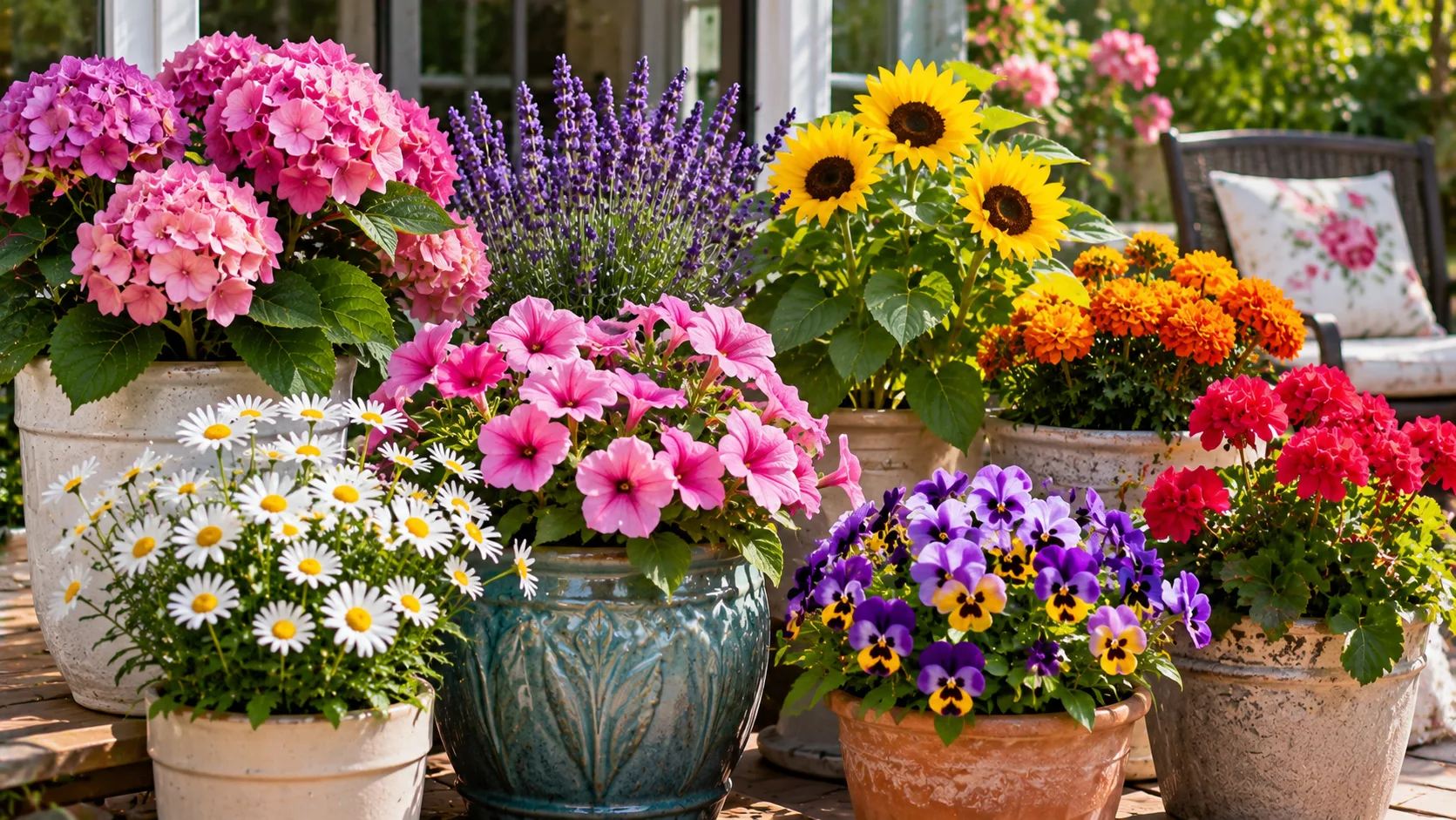
Flowers can bring color, charm, and a cheerful atmosphere to almost any garden. From tiny daisies and delicate forget-me-nots to colorful pansies and cheerful marigolds, there are countless beautiful varieties to explore. If you are searching for flowers cute enough to brighten your outdoor space, choosing the right plants can turn an ordinary garden into a welcoming place filled with natural beauty.
Cute flowers are not limited to large gardens or expensive landscaping projects. Many small flowering plants grow beautifully in containers, hanging baskets, window boxes, and compact garden beds. Whether you prefer soft pastel blooms, colorful seasonal flowers, or fragrant blossoms, this guide explores adorable flower varieties, growing tips, and creative ideas for making your garden more attractive throughout the year.
What Makes Flowers Look Cute and Beautiful?
Cute flowers often have delicate petals, cheerful colors, compact growth habits, or interesting shapes that make them especially appealing. Small daisies, miniature roses, and bell-shaped flowers are familiar examples. Their gentle appearance creates an inviting atmosphere, whether they grow in large garden beds or decorative containers near a home entrance.
Color combinations also influence how flowers appear in a garden. Soft pink, lavender, pale yellow, and white flowers often create a peaceful arrangement, while bright orange and red blooms bring energetic contrast. Choosing colors that complement one another helps create a coordinated display without requiring complicated landscaping techniques or expensive gardening accessories.
Flower size and arrangement matter just as much as color when creating attractive displays. Tiny flowers grouped together can produce a beautiful carpet of color, while individual blossoms may become interesting focal points. Combining several varieties with different bloom shapes adds texture and makes even a small planting area visually appealing.
Daisies: Simple and Cheerful Garden Flowers
Daisies are among the most recognizable cute flowers because of their bright centers and simple petals. Their classic white-and-yellow appearance creates a cheerful look that suits informal flower gardens. Some daisy varieties also produce pink, red, or other colorful blooms, giving gardeners several options for different planting styles.
English daisies are particularly attractive in compact gardens because their small flowers grow close to the ground. They can be planted in containers or suitable garden beds where growing conditions support them. Many varieties prefer cooler weather, although their performance depends on the climate and specific type selected.
Daisies work beautifully when combined with other low-growing flowering plants. You can plant them near pathways, around patio containers, or alongside complementary seasonal blooms. Their familiar appearance makes them useful for beginners who want a welcoming garden with simple, natural color combinations.
Pansies: Colorful Flowers With Charming Faces
Pansies are popular cool-season flowers known for their colorful petals and distinctive facial markings. Their blooms come in shades of purple, yellow, orange, white, pink, and deep red. These attractive combinations make pansies a wonderful option for gardeners who enjoy bright, playful flower arrangements during suitable growing seasons.
Many pansies perform best in cool conditions and may struggle during intense summer heat. They can grow in flower beds, window boxes, hanging baskets, and decorative patio containers. Providing suitable sunlight, consistent moisture, and well-drained growing medium helps support healthy development and colorful blooms.
For an eye-catching display, combine purple pansies with yellow or white varieties in the same container. The contrasting petals create a cheerful appearance without requiring additional decorative materials. Pansies also work well near entrances, where their compact growth and colorful flowers can make small spaces feel more inviting.
Forget-Me-Nots: Tiny Blue Flowers With Delicate Beauty
Forget-me-nots are charming flowering plants recognized for their tiny blue blossoms and yellow centers. Their delicate appearance makes them popular in cottage gardens and natural-looking planting arrangements. Some varieties produce pink or white flowers, although soft blue remains the color most commonly associated with these attractive blooms.
These plants generally prefer cool conditions and consistently moist, well-drained soil. Depending on the species and local climate, forget-me-nots may grow as annuals, biennials, or short-lived perennials. They often work well in partially shaded areas where intense afternoon sunshine does not dry the soil too quickly.
Forget-me-nots can create beautiful displays when planted in groups rather than as isolated individual plants. Their small flowers form soft patches of color that complement spring bulbs and other seasonal blooms. Because some varieties spread through self-seeding, gardeners should check local recommendations before introducing them into new planting areas.
Miniature Roses: Small Flowers With Elegant Charm
Miniature roses are compact flowering plants that produce small blossoms resembling those of larger rose varieties. They are available in colors such as pink, red, yellow, white, and peach. Their manageable size makes many varieties suitable for decorative containers, small garden borders, and sunny balcony spaces.
Despite their smaller appearance, miniature roses still require suitable growing conditions and regular attention. Most prefer several hours of direct sunlight, fertile soil, and good drainage. Watering should be adjusted according to weather and container size, while removing spent blooms may encourage additional flowering in some varieties.
A miniature rose planted in a decorative ceramic pot can become an attractive centerpiece on a patio or near an entrance. Combining several colors in separate containers creates variety without overcrowding individual plants. Choose disease-resistant varieties when available, and allow enough airflow around the foliage to support healthy growth.
Baby’s Breath: Soft and Cloud-Like Flowers
Baby’s breath is known for its clusters of tiny blossoms that create a light, cloud-like appearance. Its small white or pink flowers are often associated with decorative bouquets, but suitable varieties can also grow in garden landscapes. Their airy structure adds softness and texture alongside larger flowering plants.
Different species of baby’s breath have different growth habits, including upright and low-growing forms. Many prefer sunny locations and well-drained soil, with some varieties tolerating relatively dry conditions once established. Checking the requirements of the particular species helps gardeners choose the right planting location.
Baby’s breath works well as a companion to colorful flowers because its delicate blooms provide gentle contrast. It can soften the appearance of garden borders or create interesting texture in a mixed planting arrangement. Some species can spread aggressively in certain regions, so local suitability should be checked before planting.
Sweet Alyssum: Tiny Flowers With a Pleasant Fragrance
Sweet alyssum is a low-growing flowering plant that produces clusters of tiny, fragrant blossoms. Its flowers commonly appear in white, pink, or purple shades, creating a soft carpet of color. The compact growth habit makes it useful for garden borders, containers, and spaces between larger ornamental plants.
This plant generally prefers well-drained soil and suitable sunlight, although it may appreciate afternoon shade in particularly hot climates. Sweet alyssum often performs well during cooler seasons and can slow its flowering during extreme heat. Regular moisture checks are especially helpful when growing it in smaller containers.
For a charming container arrangement, plant sweet alyssum near the edges of a large pot with taller compatible flowers in the center. Its trailing growth can soften the container’s shape and create a layered appearance. The small blossoms may also attract beneficial insects when conditions allow.
Violas: Small Flowers With Bright Personalities
Violas are closely related to pansies and are admired for their delicate flowers and colorful markings. Many varieties produce smaller blooms than typical garden pansies, making them especially attractive in compact planting arrangements. Their cheerful colors can include purple, yellow, blue, white, and combinations of several shades.
These flowers generally prefer cooler weather and can provide color during spring, autumn, or mild winters. Violas grow well in suitable containers, window boxes, and garden beds with adequate drainage. Regular watering and occasional removal of faded flowers may help maintain an attractive display throughout their growing season.
Violas look particularly charming when planted in groups of different complementary colors. A combination of purple, cream, and pale yellow blooms can create a gentle seasonal arrangement. They are also useful near garden pathways, where their compact size allows visitors to appreciate the small details of each flower.
Marigolds: Cute Flowers With Warm, Bright Colors
Marigolds are cheerful flowering plants that add rich yellow, orange, and golden tones to outdoor spaces. Their rounded or daisy-like blossoms make them attractive choices for sunny gardens. Different varieties offer compact growth or taller stems, allowing gardeners to select plants that suit containers, borders, and larger flower beds.
Most common garden marigolds grow best in sunny conditions with well-drained soil. They are widely used as seasonal annuals and generally perform well during warm weather. Consistent watering during establishment and appropriate spacing can support healthy foliage and reliable flowering throughout the growing period.
Compact French marigolds are especially useful for small containers and pathway borders. Their colorful blooms pair beautifully with purple or blue-toned flowers that share compatible growing needs. Grouping several plants together can create a cheerful display that brightens patios, garden entrances, and other sunny outdoor areas.
Snapdragons: Adorable Flowers With Unique Shapes
Snapdragons are distinctive flowering plants known for their colorful blossoms arranged along upright stems. Their unusual flower shape resembles a small dragon’s mouth, giving them a playful appearance. Available colors include pink, yellow, red, orange, white, and purple, making them suitable for many creative garden combinations.
These flowers often perform best during mild or cool weather, although preferences vary among varieties. Dwarf snapdragons are particularly suitable for containers, while taller types can provide height in garden beds. Well-drained soil, adequate sunlight, and suitable spacing help support attractive flowering stems.
For a colorful garden arrangement, combine dwarf snapdragons with low-growing violas or other compatible seasonal flowers. Their upright blooms provide contrast against smaller, rounded blossoms. Taller snapdragons can also create attractive background planting in mixed borders, allowing shorter flowers to remain visible in front.
Bellflowers: Beautiful Bell-Shaped Blooms
Bellflowers, belonging to the Campanula group, are admired for their delicate bell-shaped flowers. Depending on the species, blooms may appear in purple, blue, pink, or white. Their graceful shapes make them attractive additions to cottage gardens, decorative containers, and natural-looking flower borders.
Different bellflower species have varied growing requirements and mature sizes. Some remain compact and suitable for rock gardens, while others grow taller and provide flowers on upright stems. Many prefer well-drained soil and moderate sunlight, although local climate and specific plant characteristics influence performance.
Low-growing bellflowers can look especially attractive near stone pathways or around suitable garden edges. Their delicate blossoms create a soft contrast with larger leaves and bold flowering plants. Before planting, check whether the selected species spreads aggressively in your region, as growth habits differ significantly across the group.
Zinnias: Bright Flowers for a Cheerful Summer Garden
Zinnias are colorful summer flowers that bring energy and variety to sunny outdoor spaces. Their blooms come in many shapes and colors, including pink, orange, yellow, red, and white. Compact varieties are particularly appealing for small gardens, while taller types can create striking seasonal displays.
These flowers generally prefer full sunlight, warm temperatures, and well-drained growing conditions. Zinnias are often grown from seed and can be suitable for beginners who enjoy watching plants develop. Good spacing helps maintain airflow, which is important because certain varieties can be affected by powdery mildew.
For a vibrant summer display, combine several compact zinnia varieties in complementary colors. Their long-lasting seasonal blooms can brighten borders, patio planters, and garden beds. Removing faded flowers may encourage additional blooms, while regular observation helps gardeners identify watering needs and common plant health problems.
Cosmos: Delicate Flowers That Move With the Breeze
Cosmos flowers have delicate petals and airy foliage that create a soft, natural appearance. Their blooms commonly appear in shades of pink, white, purple, orange, and yellow, depending on the species. The slender stems and open flower shapes make cosmos particularly attractive in informal gardens and colorful seasonal planting arrangements.
Many cosmos varieties prefer sunny locations and well-drained soil. Some perform well in relatively modest soil fertility, while excessive feeding may encourage leafy growth rather than abundant blooms. Because different species vary in height, choosing compact varieties is helpful when planting in smaller containers.
Cosmos can create an attractive meadow-like appearance when planted in groups with other compatible summer flowers. Their open blooms may attract bees, butterflies, and other pollinators. A combination of cosmos and zinnias provides contrasting flower shapes while maintaining a cheerful, relaxed garden atmosphere.
Cute Flowers for Small Pots and Containers
Small containers provide an easy way to grow beautiful flowers on balconies, patios, windowsills, and compact outdoor spaces. Suitable choices include violas, dwarf marigolds, miniature roses, and selected begonias. The best plants depend on available sunlight, container depth, and local temperatures rather than appearance alone.
Choose pots with drainage holes and enough space for healthy root development. A quality potting mix helps retain appropriate moisture while allowing excess water to drain. Smaller containers may dry quickly during warm weather, making regular moisture checks especially important for maintaining healthy flowering plants.
You can create charming arrangements by using several coordinated pots rather than overcrowding one container. Grouping pink, white, and purple flowers creates a gentle color palette, while bright orange and yellow blooms produce a cheerful display. Varying container heights can add visual interest without occupying much additional space.
Cute Flowers for Hanging Baskets and Window Boxes
Hanging baskets and window boxes are excellent choices for displaying cute flowers in limited spaces. Trailing petunias, lobelia, bacopa, and suitable begonias can create colorful arrangements that soften railings and outdoor structures. Their growth habits allow flowers to extend over container edges, producing attractive displays during suitable seasons.
When designing a hanging basket, combine plants with similar sunlight and moisture requirements. A basket containing purple petunias and white bacopa can create a coordinated contrast. Choose a secure hanging location and remember that watering increases the basket’s weight, so the supporting structure must be strong enough.
Window boxes can also feature compact pansies, violas, or seasonal annuals that suit the available conditions. Repeating a small selection of colors across several boxes creates a unified appearance. Regular watering, appropriate feeding, and occasional trimming help keep arrangements healthy without requiring complicated gardening techniques.
How to Grow Cute Flowers From Seeds
Growing flowers from seeds is an affordable and rewarding way to create colorful garden displays. Beginner-friendly options often include zinnias, marigolds, cosmos, and selected sweet alyssum varieties. Seed packets provide useful information about planting depth, germination temperature, and suitable growing seasons for each flower.
Begin with clean containers, appropriate seed-starting mix, and a location offering suitable warmth and light. Sow seeds according to their individual requirements rather than covering every variety at the same depth. Maintain gentle moisture without saturating the growing medium, as excessive water can interfere with healthy seedling development.
Once seedlings develop suitable roots and leaves, they can gradually adjust to outdoor conditions before transplanting when appropriate. This process, called hardening off, helps reduce stress from sunlight, wind, and temperature changes. Handle young plants carefully and provide enough space for their expected mature growth.
How to Care for Cute Flowering Plants
Healthy flowering plants require suitable sunlight, watering, soil conditions, and occasional maintenance. Different species have different needs, so understanding individual plant preferences is important. Most common container flowers benefit from well-drained growing medium and enough space for their roots and foliage to develop naturally.
Watering should reflect the plant’s needs and the surrounding weather conditions. Check the soil before watering rather than following one fixed schedule for every flower. Some plants prefer consistently moist soil, while others tolerate slightly drier conditions, making observation an important part of successful gardening.
Removing damaged leaves and faded flowers can help maintain an attractive appearance. Certain flowering varieties also benefit from appropriate feeding during active growth. Inspecting plants regularly allows you to notice early signs of pests, disease, or environmental stress before these problems become more difficult to manage.
Common Mistakes When Growing Small Flowers
One common mistake is planting flowers without considering their sunlight requirements. A shade-loving plant may struggle in intense afternoon sunshine, while a sun-loving variety may produce fewer blooms in a dark location. Choosing suitable plants for the available light helps prevent disappointing growth and unnecessary maintenance problems.
Overwatering is another frequent issue, especially when flowers grow in containers without proper drainage. Constantly wet growing medium can contribute to root problems and declining plant health. Check moisture levels regularly and avoid placing several plants with very different watering requirements in the same small container.
Crowding too many flowers together can also limit airflow and create competition for available nutrients and water. Although densely planted arrangements may look appealing initially, plants need room for healthy development. Following recommended spacing guidelines helps create attractive displays that remain manageable as the flowers mature.
How to Create a Cute Flower Garden on a Budget
Creating a beautiful flower garden does not require expensive landscaping or a large collection of decorative accessories. Starting with a few seed packets and reusable containers can keep initial costs manageable. Choosing flowers suited to your climate also reduces the likelihood of repeatedly replacing plants that struggle under local conditions.
Reusing suitable pots, arranging existing containers, and selecting easy-to-grow annuals are practical ways to save money. Simple color combinations can make inexpensive flowers look coordinated and attractive. For example, grouping white alyssum with colorful marigolds creates contrast without requiring complicated planting arrangements or costly materials.
You can gradually expand your flower garden as you gain experience and discover which plants perform best. Saving seeds from suitable non-hybrid varieties may also provide future planting opportunities. Focusing on healthy plants, thoughtful placement, and consistent care often produces more satisfying results than purchasing numerous decorations.
Conclusion
Cute flowers can transform small balconies, patios, and larger gardens into welcoming spaces filled with color and natural beauty. Daisies, pansies, forget-me-nots, miniature roses, and sweet alyssum are just a few attractive choices. Each variety offers different colors, flower shapes, and growing habits that can complement different gardening styles.
Successful flower gardening begins with selecting plants suited to your climate, sunlight conditions, and available space. Suitable containers, well-drained soil, careful watering, and regular observation help support healthy blooms. Combining different flower heights, textures, and colors can also create attractive arrangements without requiring complicated design techniques.
Whether you prefer delicate pastel flowers or cheerful bright blooms, gardening offers many opportunities for creativity. Start with a few varieties that interest you and expand your collection gradually as your confidence grows. With thoughtful planning and consistent care, you can enjoy a beautiful flower garden that brings charm to your surroundings.
Frequently Asked Questions
What are the cutest flowers to grow in a garden?
Daisies, pansies, forget-me-nots, miniature roses, violas, and sweet alyssum are popular choices. Their delicate petals, colorful blooms, and compact growth habits make them attractive additions to different garden styles.
Which cute flowers are easiest for beginners to grow?
Marigolds, zinnias, cosmos, and sweet alyssum are often suitable for beginners when grown under appropriate conditions. Their maintenance needs vary, but many varieties grow successfully with suitable sunlight, drainage, and watering.
What are the best cute flowers for small pots?
Violas, dwarf marigolds, miniature roses, and compact begonias can grow well in suitable containers. Choose a pot large enough for the plant’s roots and provide proper drainage to support healthy growth.
Can cute flowers grow indoors?
Some flowering plants can grow indoors when they receive appropriate light, temperature, and care. However, many popular garden flowers require more sunlight than typical indoor locations provide for reliable flowering.
How can I make my flower garden look more beautiful?
Combine flowers with complementary colors, different heights, and interesting textures. Use suitable containers, maintain healthy plants, and avoid overcrowding to create a balanced garden display that suits your available space.