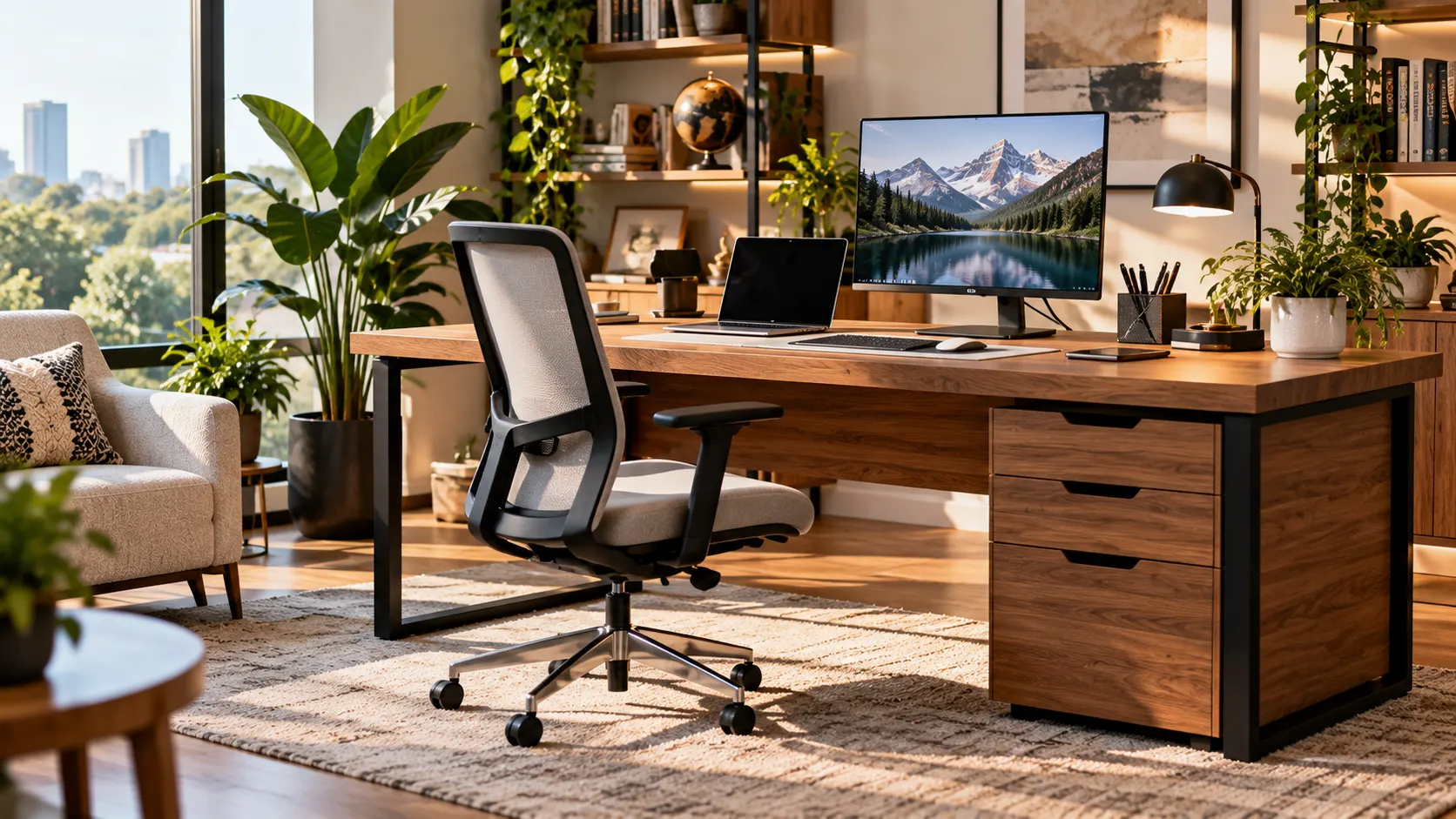
A desk is more than just a piece of furniture. It is an important part of your workspace, whether you use it for studying, working from home, gaming, or everyday activities. Choosing the right desk can improve comfort, organization, and productivity while making your room more functional and visually appealing.
However, buying a desk is not always as simple as choosing a design you like. Desk size, materials, storage options, durability, and ergonomic features can all influence your experience. Understanding these factors before purchasing can help you avoid common mistakes and choose furniture that meets your needs.
This guide explains everything you should know before buying a desk, including popular styles, practical features, workspace measurements, and maintenance tips.
Why Choosing the Right Desk Matters
A desk plays an important role in creating a comfortable and organized working environment. Whether you spend a few hours studying or work throughout the day, your desk should provide enough room for essential equipment and supplies. A properly selected desk can make everyday activities easier while helping you maintain a practical workspace.
The wrong desk can create unnecessary difficulties, especially when it is too small, unstable, or poorly suited to your room. Limited surface space may force you to keep important items in inconvenient locations. Similarly, an unsuitable desk height can make it harder to position your keyboard, monitor, and chair comfortably during longer work sessions.
Choosing the right desk also affects the overall appearance of your room. A desk that matches your interior design can create a balanced and attractive environment. More importantly, practical furniture encourages better organization and helps you maintain a workspace that supports your daily responsibilities without unnecessary distractions or discomfort.
Different Types of Desks You Should Know About
Writing desks are among the simplest furniture options for home offices, bedrooms, and study areas. They typically feature a flat working surface with minimal storage, making them suitable for laptops, books, and basic office supplies. Their compact design works particularly well in smaller rooms where large furniture might make the space feel crowded.
Computer desks are designed to accommodate desktop computers, monitors, keyboards, and related accessories. Some models include built-in cable management, monitor shelves, or additional storage compartments. These desks are practical for people who regularly use electronic equipment and need a dedicated area for maintaining an organized computer workstation.
Other popular options include executive desks, corner desks, standing desks, and L-shaped workstations. Executive models often provide larger surfaces and integrated storage, while corner desks make use of underutilized room space. Standing desks offer adjustable working positions, making them useful for people who want the flexibility to alternate between sitting and standing.
How to Choose the Right Desk Size
Desk dimensions should be one of your first considerations before making a purchase. Measure the available floor space and consider how much room you need for a chair, drawers, and comfortable movement. A desk should fit naturally into your room without blocking doors, walkways, windows, or access to other furniture.
The ideal desktop width depends on the equipment and activities you plan to accommodate. A compact desk around 100 centimeters wide may suit basic laptop work, while larger setups with multiple monitors often require substantially more space. Think about your daily tasks and ensure your desk provides enough surface area without becoming unnecessarily oversized.
Desk depth is equally important because it affects how comfortably you can position a monitor and other accessories. Many standard desks have depths around 60 to 80 centimeters, although dimensions vary considerably. Before purchasing, check your equipment measurements and available viewing distance to determine whether the desk can support a comfortable arrangement.
Understanding Desk Materials and Durability
Wooden desks remain popular because they offer attractive finishes and can complement many interior design styles. Solid wood furniture is often durable and may be repairable or refinished when properly maintained. However, its performance depends on the wood species, construction quality, finish, and surrounding environmental conditions, including changes in humidity.
Engineered wood desks, including those made from MDF or particleboard, are widely available at different price points. These materials can provide smooth surfaces and consistent finishes, but their resistance to moisture and repeated assembly varies. Examine the thickness of the panels, quality of the protective coating, and strength of the connecting hardware.
Metal and glass desks are also common choices for modern workspaces. Steel frames can offer excellent structural support, while glass desktops create a clean and contemporary appearance. However, glass surfaces may show fingerprints easily, and thin metal components can sometimes affect stability, making overall construction quality more important than appearance alone.
Desk Height and Ergonomic Comfort
Desk height affects how comfortably you can sit and use your computer throughout the day. Many fixed-height desks measure approximately 72 to 76 centimeters tall, but these measurements do not suit everyone equally. Your chair dimensions, arm position, leg clearance, and working activities should all influence whether a particular desk feels appropriate.
When using a keyboard, your shoulders should remain relaxed while your forearms and wrists stay in comfortable positions. A suitable desk and adjustable chair can help you achieve this arrangement without excessive reaching. Your feet should also have stable support, and sufficient space beneath the desk should allow you to move your legs naturally.
Adjustable-height desks provide additional flexibility because their working surfaces can be raised or lowered. This feature can help accommodate different users and allow position changes throughout the day. However, standing continuously is not necessarily better than sitting, so comfort, movement, and regular changes in posture remain important regardless of desk type.
Storage Features to Consider Before Buying
Desk storage can help keep important documents, stationery, chargers, and work accessories organized. Built-in drawers are convenient for smaller items that might otherwise clutter the desktop. Before selecting a desk with storage, consider what you actually need to keep nearby rather than choosing extra compartments simply because they are available.
Shelves and open compartments can provide accessible storage for books, decorative objects, and frequently used equipment. However, excessive shelving may reduce available legroom or make the workstation appear crowded. Choose storage features that support your daily activities without interfering with comfortable movement or access to essential working materials.
For small offices, desks with integrated cabinets or vertical storage can make efficient use of limited space. Alternatively, a simple desk paired with a separate drawer unit may offer greater flexibility. Consider whether your storage requirements might change in the future, especially if you expect to upgrade equipment or rearrange your workspace.
How to Choose a Desk for a Home Office
A home office desk should support your work routine while fitting comfortably into your available space. Start by identifying the equipment you use regularly, including laptops, monitors, keyboards, notebooks, and communication devices. Selecting a desk based on your actual work requirements is more effective than focusing exclusively on its appearance.
Think carefully about where the desk will be positioned within your home. Natural lighting can make a workspace feel more pleasant, although direct sunlight on a monitor may create unwanted glare. Positioning the desk near accessible electrical outlets can also make it easier to connect equipment without creating unnecessary cable clutter.
Your home office furniture should also complement the surrounding room without compromising functionality. Neutral finishes often blend easily with existing décor, while larger statement desks may become a focal point. Regardless of style, prioritize a stable working surface, adequate legroom, and enough space to complete your daily tasks comfortably.
What to Look for in a Gaming Desk
Gaming desks are often designed to accommodate larger monitors, keyboards, mice, and additional accessories. Some models feature extended surfaces, cable openings, headphone holders, or integrated lighting. Although these features can improve convenience, the most important considerations remain stability, adequate dimensions, and compatibility with your existing equipment.
A gaming setup may involve substantial equipment weight, especially when using multiple monitors and adjustable mounting arms. Check the manufacturer’s stated weight capacity and whether the desktop supports your intended mounting hardware. Strong construction and dependable connections are essential for preventing wobbling during regular use.
Cable management is another useful consideration because gaming workstations often contain several connected devices. Desks with cable trays or integrated routing openings can help maintain a cleaner setup. However, decorative features should not outweigh practical requirements, including comfortable keyboard placement, sufficient mouse movement, and adequate space for ventilation around electronic equipment.
Common Mistakes to Avoid When Buying a Desk
One common mistake is purchasing a desk without measuring the intended location first. Furniture that looks appropriately sized in a showroom or product photograph may feel much larger inside a bedroom or home office. Always compare the complete desk dimensions with your available space, including the room needed for drawers and chair movement.
Another mistake is choosing appearance over construction quality and everyday comfort. A stylish desk may become frustrating if its surface scratches easily, its frame wobbles, or its drawers are difficult to operate. Reviewing materials, assembly requirements, and practical features can help you avoid furniture that looks attractive but performs poorly.
Ignoring future needs can also lead to an unsuitable purchase. A desk that accommodates one laptop today may not provide sufficient space for additional monitors or accessories later. Consider possible equipment upgrades, changing storage requirements, and how easily the desk can be moved or rearranged if your workspace changes.
How Much Should You Spend on a Desk?
Desk prices vary considerably depending on materials, dimensions, construction, features, and manufacturer. Basic desks made from engineered wood are often more affordable than premium solid wood or electronically adjustable models. Rather than selecting furniture solely by price, compare what each option provides and whether those features justify its cost.
When setting a budget, consider the total cost of establishing a practical workstation. You may also need an appropriate chair, monitor accessories, cable organizers, or additional storage furniture. Delivery charges and professional assembly services can increase expenses, particularly when purchasing larger or more complicated desk designs.
An expensive desk is not automatically the best option for every buyer. A reasonably priced model with solid construction, appropriate dimensions, and comfortable working height may be entirely sufficient. Focus on durability, warranty coverage, useful features, and long-term suitability instead of paying extra for decorative additions you are unlikely to use.
What to Check Before Buying a Desk Online
Online furniture shopping provides access to many desk styles, sizes, and materials without visiting multiple stores. However, product photographs may not accurately communicate scale, surface texture, or construction quality. Carefully review listed dimensions, material specifications, product weight, and included components before making your decision.
Customer reviews can provide useful information about stability, assembly difficulties, surface quality, and everyday performance. Look for detailed feedback from people who have used the desk over time rather than relying only on overall ratings. Repeated comments about damaged deliveries, missing hardware, or unstable frames may indicate potential problems.
Before ordering, review the seller’s delivery arrangements, return policy, warranty conditions, and assembly instructions. Some desks arrive fully assembled, while others require considerable time and tools to put together. Understanding these details can reduce unexpected complications and help you compare products based on their total ownership experience.
How to Maintain Your Desk for Long-Term Use
Regular cleaning helps preserve your desk’s appearance and keeps the working surface comfortable to use. Remove dust using a soft cloth and follow the manufacturer’s recommendations for the specific material and finish. Avoid abrasive cleaning tools or excessive moisture, particularly on engineered wood surfaces that may swell when exposed to water.
Protecting the desktop from unnecessary wear can also extend its usable life. Desk mats, coasters, and suitable equipment pads help reduce scratches, stains, and friction from everyday items. Avoid placing excessive weight on unsupported areas, and check whether monitor arms or other accessories are compatible with the desktop construction.
Periodically inspect the desk for loose screws, unstable joints, or damaged components. Adjustable desks may require additional maintenance according to their operating instructions, including checks of electrical connections and moving parts. Addressing small issues early can help maintain stability, functionality, and safety while reducing the need for premature furniture replacement.
Conclusion
Buying the right desk requires more than selecting an attractive piece of furniture. Size, material quality, ergonomic comfort, storage, and construction all influence how effectively a desk supports everyday activities. Understanding these factors can help you choose a practical workstation that suits your room and working habits.
Whether you need a compact writing desk, spacious computer desk, or adjustable standing workstation, focus on features that match your actual requirements. Measure your space carefully, review available storage, and consider the equipment you use regularly. A balanced combination of functionality and design is usually more valuable than unnecessary features.
A well-chosen desk can remain useful for years when it is properly maintained and suited to your needs. Taking time to compare dimensions, materials, warranty coverage, and customer feedback can help prevent disappointing purchases. The best desk is one that makes your workspace comfortable, organized, and convenient for daily use.
Frequently Asked Questions (FAQs)
What should I look for when buying a desk?
Consider desk size, height, construction quality, storage, and available workspace. Choose a model that accommodates your equipment comfortably, fits your room, and provides a stable working surface for your everyday activities.
What is the best material for a desk?
Solid wood, engineered wood, metal, and glass each offer different advantages. The best choice depends on your budget, preferred appearance, maintenance requirements, and the durability needed for your particular workspace.
What is the ideal desk height?
Many standard desks measure approximately 72 to 76 centimeters high, but ideal height depends on your body proportions and chair setup. Adjustable furniture can help create a more comfortable working position.
Is a standing desk better than a regular desk?
Standing desks offer flexibility by allowing users to change working positions throughout the day. However, neither prolonged standing nor prolonged sitting is ideal, and regular movement remains important for comfort.
How long should a good desk last?
A well-constructed desk can remain functional for many years with proper maintenance. Its lifespan depends on materials, construction quality, daily use, environmental conditions, and whether repairs or replacement parts are available.