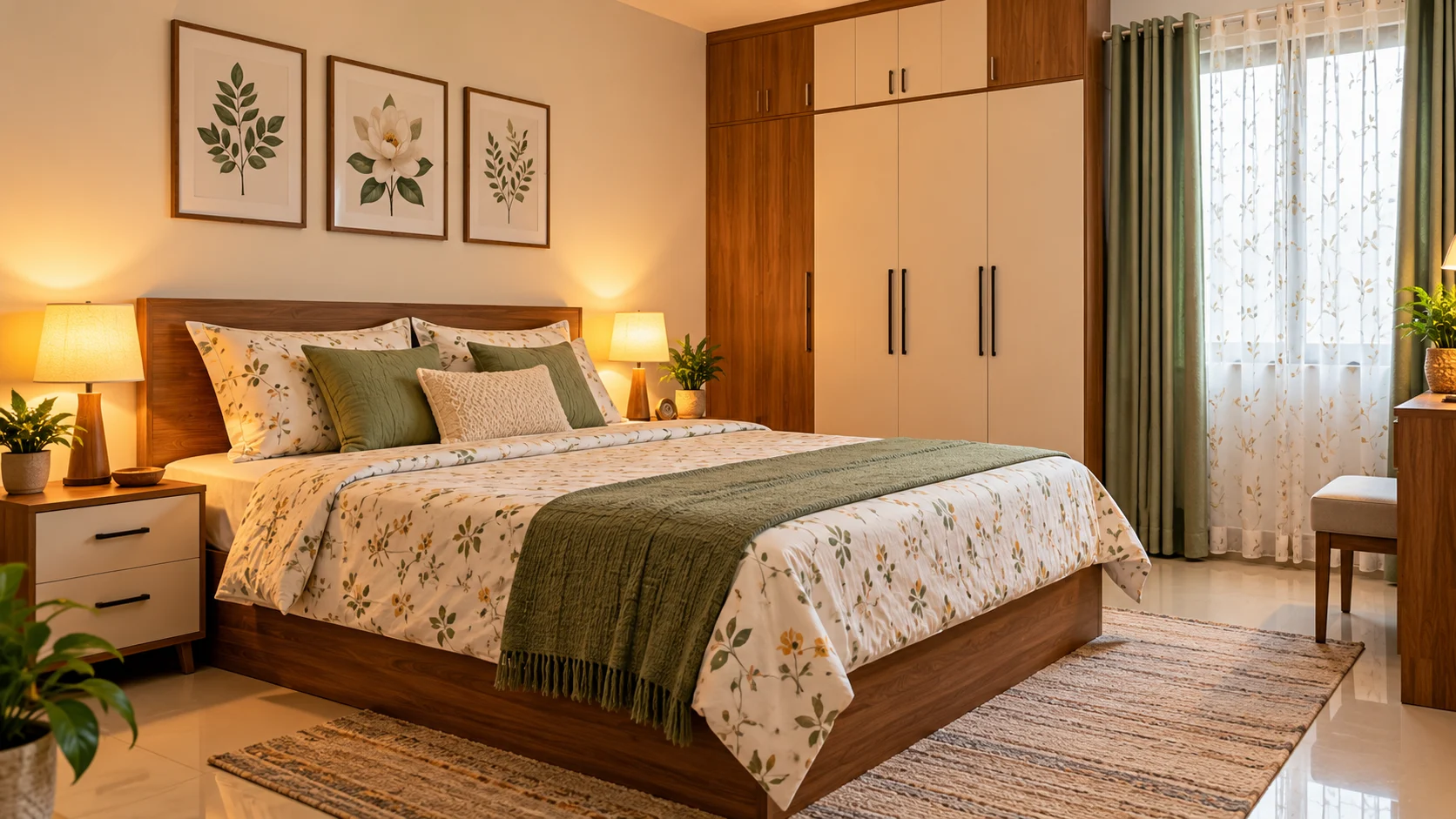
A beautiful bedroom does not always require expensive furniture, luxury decorations, or a large space. With thoughtful planning and practical design choices, middle class families can create comfortable, attractive bedrooms without exceeding their budgets. Simple furniture, soothing colors, smart storage solutions, and appropriate lighting can transform an ordinary room into a welcoming personal space.
The best simple bedroom design for middle class family homes focuses on comfort, functionality, and affordability. Whether you have a compact bedroom or a spacious master room, small improvements can make a noticeable difference. Choosing multipurpose furniture, organizing belongings, and using suitable wall colors can help create a more spacious and peaceful environment.
If you want to improve your bedroom without spending too much money, this guide explores practical interior design ideas that suit different budgets. From modern furniture arrangements and affordable wall decorations to space-saving storage solutions, you will discover useful ways to refresh your bedroom. These suggestions can help create a stylish, organized, and comfortable space for everyday living.
Why Simple Bedroom Designs Are Ideal for Middle Class Families
Simple bedroom designs are popular because they combine everyday comfort with practical financial planning. Instead of investing in unnecessary decorative items, families can focus on essential furniture, suitable lighting, and convenient storage. This approach creates a functional environment while allowing homeowners to manage decorating expenses more effectively.
Another advantage is that simple interiors are generally easier to maintain. Rooms with fewer decorative objects and well-organized furniture often require less time for cleaning and rearranging. Neutral colors, practical materials, and straightforward layouts can also remain visually appealing as design preferences change.
Simple bedroom design does not mean creating a dull or empty space. Thoughtful combinations of colors, textures, and personal belongings can make a room feel inviting. The goal is to balance visual appeal with everyday needs, ensuring that the bedroom supports rest, organization, and comfortable family living.
1. Choose a Simple and Functional Bedroom Layout
A well-planned bedroom layout is the foundation of a comfortable interior. Before purchasing furniture, consider the room’s dimensions, window placement, doors, and available walking space. Arranging essential pieces thoughtfully can improve movement and make even a small bedroom feel more organized.
The bed is usually the largest furniture item, so its position influences the rest of the layout. Placing it against a suitable wall can leave room for wardrobes, bedside tables, and other necessary belongings. Avoid blocking doors, windows, ventilation, or important access points when arranging furniture.
A functional layout should reflect the activities that take place in the bedroom. Some families need space for studying, dressing, or storing seasonal clothing. Identifying these requirements before decorating helps prevent overcrowding and supports a more practical use of the available floor area.
2. Use Light and Neutral Wall Colors
Wall colors strongly influence how a bedroom feels, particularly when the space is compact. Light shades such as cream, warm white, soft beige, and pale gray can create a bright and welcoming appearance. These colors reflect available light and provide a versatile background for different furniture styles.
Neutral colors are also practical for families who want a design that remains appealing over time. A simple color scheme can accommodate changing curtains, bedding, and decorative accessories without requiring frequent repainting. Warm neutral shades may create a softer atmosphere than stark white walls in certain lighting conditions.
Families can introduce personality through one carefully chosen accent color or a small decorative feature. Muted green, dusty blue, and warm terracotta are examples that complement many neutral palettes. Testing paint samples in different lighting conditions helps ensure the final color matches the desired atmosphere.
3. Select Affordable and Comfortable Bedroom Furniture
Furniture is an important part of bedroom design because it affects both appearance and everyday convenience. Middle class families can create attractive interiors by selecting durable, practical pieces rather than expensive decorative furniture. A comfortable bed, suitable wardrobe, and essential storage are often enough for a functional bedroom.
Materials such as engineered wood, properly finished plywood, and selected solid wood options offer different price and durability characteristics. The best choice depends on construction quality, maintenance requirements, and local availability. Comparing furniture dimensions and finishes before purchasing can help prevent unnecessary expenses.
Matching every furniture item is not essential for creating a coordinated interior. Pieces with complementary colors and simple shapes can work well together. Prioritizing comfort, structural quality, and useful storage features provides better long-term value than purchasing furniture solely for its appearance.
4. Create a Modern Bedroom With Minimalist Decor
Minimalist bedroom design focuses on reducing unnecessary visual clutter while keeping essential furnishings attractive and useful. It often features simple furniture shapes, limited colors, and carefully selected accessories. This approach can be particularly effective in smaller bedrooms where too many decorative items make the space feel crowded.
A minimalist room does not need to look completely empty. A comfortable bed, functional wardrobe, bedside lamp, and one or two decorative elements can create a balanced arrangement. Choosing items that serve a purpose helps maintain a clean appearance without sacrificing everyday convenience.
Families can also personalize minimalist spaces through photographs, artwork, or meaningful decorative objects. Limiting the number of displayed items allows each piece to receive more attention. This creates an organized atmosphere while avoiding the impression that every available surface needs decoration.
5. Choose a Space-Saving Bed Design
The bed usually occupies the largest portion of bedroom floor space, making its size and design particularly important. Choosing a bed that fits the room comfortably can improve movement and furniture placement. An oversized bed may limit access to wardrobes, windows, and other essential areas.
Beds with built-in drawers or storage compartments can provide additional space for bedding and seasonal clothing. These designs may reduce the need for separate storage furniture. However, buyers should examine construction quality and ease of access before selecting a storage bed.
A simple platform bed can also create a modern appearance without elaborate decorative details. Straight lines and a suitable frame height often work well in compact rooms. The most important considerations remain mattress comfort, safe construction, and enough surrounding space for everyday activities.
6. Use Smart Storage Solutions for Small Bedrooms
Storage is one of the biggest challenges in bedrooms shared by several family members or used for multiple purposes. Without a practical organization system, clothing, accessories, and household items can quickly create clutter. Built-in wardrobes, drawers, and appropriately sized shelves can help manage belongings efficiently.
Vertical storage is useful because it makes use of wall space without occupying excessive floor area. Tall wardrobes and securely mounted shelves can provide additional storage capacity. However, heavy furniture should be properly anchored where appropriate to reduce the risk of tipping.
Storage containers can also help separate seasonal clothing, accessories, and everyday essentials. Labeling boxes and maintaining designated spaces makes items easier to find. A simple organization system is often more effective than purchasing numerous decorative storage products that do not match actual needs.
7. Add Beautiful Curtains and Window Treatments
Curtains can improve bedroom appearance while providing privacy and helping control natural light. Affordable fabrics in neutral colors often coordinate with different furniture styles. The right curtain length and texture can make a room feel more complete without requiring expensive decorative changes.
Light-filtering curtains can create a soft atmosphere during the day, while blackout options may be useful for reducing unwanted light. The appropriate choice depends on window placement, privacy requirements, and sleeping preferences. Some households combine lightweight curtains with a separate lining for greater flexibility.
Window treatments should also be easy to clean and suitable for the local climate. Choosing durable fabrics can reduce maintenance and replacement costs. Simple curtain rods and understated patterns often provide an attractive result without overwhelming the bedroom’s overall design.
8. Improve Bedroom Lighting on a Budget
Lighting influences bedroom comfort, appearance, and functionality throughout the day. A practical lighting arrangement usually includes general illumination along with more focused light for reading or other activities. Choosing appropriate brightness helps create a welcoming environment without making the room unnecessarily harsh.
Warm white lighting is often preferred in bedrooms because it creates a softer atmosphere. Bedside lamps and wall-mounted reading lights may provide useful illumination without requiring elaborate fixtures. Energy-efficient LED bulbs can also help reduce electricity consumption compared with many older lighting technologies.
Families should consider safety and convenience when arranging lighting. Cables should not obstruct walking areas, and electrical fittings must be suitable for their intended use. Improving existing lighting can sometimes refresh a bedroom more affordably than replacing large furniture pieces.
9. Decorate Bedroom Walls With Affordable Accessories
Wall decoration provides an opportunity to personalize a bedroom without making major structural changes. Framed photographs, simple artwork, and decorative prints can add visual interest to otherwise plain walls. Selecting a limited number of meaningful pieces often creates a more balanced appearance.
A small gallery wall can work well above a dresser or another suitable area. Frames with complementary colors help create visual consistency even when the images differ. Homeowners can also consider removable decorations that allow changes without permanent alterations to the wall surface.
Avoid filling every wall with accessories because excessive decoration can make a compact room feel busy. Leaving some open space creates visual balance and allows furniture to stand out. Affordable wall decor works best when it complements the room’s existing colors and overall style.
10. Make a Small Bedroom Look More Spacious
Small bedrooms can feel more open when furniture placement and visual design are carefully planned. Light wall colors, simple curtains, and appropriately sized furniture help reduce the appearance of crowding. Maintaining clear walking areas also improves daily convenience.
Mirrors can reflect light and create an impression of greater depth when placed thoughtfully. A mirror opposite or near a window may brighten certain areas, depending on the room’s layout. Secure mounting is important, particularly in bedrooms used by children.
Furniture with slim profiles and practical storage features may also help maximize available space. Avoiding excessive decoration and keeping floors relatively clear can make a noticeable difference. A compact room does not need expensive renovations to become comfortable and visually appealing.
11. Use Affordable Bedding for a Cozy Bedroom
Bedding has a strong influence on how comfortable and inviting a bedroom feels. Well-chosen bedsheets, pillowcases, and blankets can refresh the appearance of a room without replacing major furniture. Selecting colors that complement the walls and curtains helps create a coordinated design.
Breathable materials such as cotton may be comfortable in warm climates, while suitable layered bedding can provide flexibility during colder months. Fabric quality, washing instructions, and personal comfort should guide purchases. Expensive bedding is not automatically more comfortable than affordable products made with suitable materials.
A simple arrangement with a few comfortable pillows and a neatly fitted bedcover can create an attractive appearance. Excessive decorative cushions are not necessary and may complicate everyday use. Prioritizing comfort and easy maintenance helps keep the bedroom practical for daily living.
12. Create a Bedroom Design With Wooden Furniture
Wooden furniture can give a bedroom a warm and timeless appearance. Natural wood tones complement neutral wall colors and work well with simple interior styles. Beds, wardrobes, and bedside tables featuring wood finishes can create a comfortable atmosphere without elaborate decoration.
Different wood materials have different costs, maintenance requirements, and durability characteristics. Engineered wood furniture may be more affordable than certain solid wood options, depending on quality and construction. Choosing reliable fittings and well-finished surfaces can improve long-term performance.
Wood finishes also combine effectively with white, cream, and muted green decor. A consistent selection of tones can make the room feel harmonious. Mixing too many contrasting wood finishes may create a less coordinated appearance, particularly in smaller spaces.
13. Add Indoor Plants for a Natural Touch
Indoor plants can introduce greenery and visual interest into a simple bedroom. Small potted plants placed on suitable shelves or near windows can create a pleasant decorative effect. Their natural colors work well with neutral walls and wooden furniture.
Choosing plants requires considering available light, temperature, and maintenance needs. Some houseplants tolerate lower light levels, while others need brighter conditions. The correct placement depends on the specific plant rather than assuming every indoor variety will thrive in a bedroom.
Plants should be placed in stable containers away from electrical equipment and important walking areas. Households with pets should also check whether particular species are toxic to animals. Artificial plants can provide a similar decorative appearance when maintaining living plants is impractical.
14. Design a Simple Bedroom for Couples
A couple’s bedroom should reflect the comfort and practical needs of both people. A suitable bed, accessible storage, and balanced furniture placement can improve everyday convenience. Neutral colors and simple decorative details provide a flexible starting point for creating a shared personal space.
Matching bedside tables are not essential, but accessible lighting and storage on both sides may be useful. The room should also allow comfortable movement around furniture. Couples can choose bedding, curtains, and artwork that reflect shared preferences without requiring an expensive redesign.
Privacy and organization are particularly important in shared bedrooms. Separate storage areas can reduce clutter and make daily routines easier. A thoughtful layout that considers both occupants often creates a more comfortable environment than decoration focused entirely on appearance.
15. Simple Bedroom Design for Children
A child’s bedroom should prioritize comfort, safety, and practical organization. Suitable furniture, accessible storage, and a clear area for age-appropriate activities can support everyday routines. Simple color schemes also make it easier to update the space as interests and needs change.
Storage baskets, low shelves, and organized drawers can help keep books, clothing, and toys in designated places. Furniture should be appropriate for the child’s age and securely anchored where necessary. Avoiding unstable decorations and unnecessary electrical accessories helps create a safer environment.
Families can personalize the bedroom with educational artwork, favorite colors, or removable wall decorations. These changes are usually easier to update than permanent themed furniture. A flexible design can remain useful through different stages of childhood without requiring frequent major purchases.
16. Choose Budget-Friendly Bedroom Flooring
Bedroom flooring affects comfort, maintenance, and the overall appearance of the room. Options such as ceramic tiles, laminate, and suitable vinyl flooring offer different benefits and costs. The best choice depends on local climate, room conditions, durability requirements, and available budget.
Existing flooring does not always need replacement to improve the bedroom’s appearance. A clean, suitable area rug can add warmth and texture without requiring renovation. Rugs should have appropriate backing or underlays to reduce slipping, particularly on smooth surfaces.
When replacement is necessary, homeowners should compare installation costs alongside material prices. Moisture resistance, cleaning requirements, and expected durability are important considerations. Selecting practical flooring provides better long-term value than focusing only on decorative trends.
17. Create a Bedroom Accent Wall Without Overspending
An accent wall can add personality to a bedroom while keeping renovation expenses manageable. Painting one wall in a complementary shade is often simpler than introducing elaborate wall coverings. Muted blue, sage green, terracotta, and warm beige can create different moods depending on the existing furniture.
The wall behind the bed is a common location for a decorative feature. A carefully selected color can draw attention to the sleeping area and establish a focal point. However, choosing an accent wall should reflect the room’s proportions and available natural light.
Textured finishes and removable wall coverings are additional options, although installation costs vary. Simple paint is often easier to maintain and update. Testing samples before committing to a color helps prevent unnecessary repainting and ensures the result suits the overall interior.
18. Organize a Bedroom With Multipurpose Furniture
Multipurpose furniture can help middle class families use limited bedroom space more efficiently. Beds with storage drawers, compact desks, and wardrobes with integrated shelves serve more than one function. These designs may reduce the number of separate furniture pieces required.
A small desk can provide a place for studying or occasional computer work when the room has enough space. Some furniture designs also combine dressing and storage functions. The most suitable choice depends on how frequently each activity takes place.
Furniture should be selected for practical use rather than novelty alone. Complicated mechanisms, unsuitable dimensions, or poor construction can make multipurpose pieces inconvenient. Measuring the available space and checking durability helps ensure that furniture improves the room’s functionality.
19. Common Bedroom Design Mistakes to Avoid
One common mistake is choosing oversized furniture for a small bedroom. Large wardrobes and elaborate bed frames can restrict movement and make the room feel crowded. Measuring the space before purchasing furniture helps prevent these problems.
Another mistake is combining too many colors, patterns, and decorative accessories. Excessive visual detail can make a room appear disorganized even when individual items are attractive. A consistent color palette and limited selection of meaningful decorations often produce a calmer appearance.
Poor lighting and inadequate storage can also reduce bedroom comfort. A visually attractive room may still be inconvenient if everyday items have no designated place. Balancing decoration with practical requirements is essential for creating an interior that works well over time.
20. How to Decorate a Bedroom on a Small Budget
Decorating a bedroom affordably begins with identifying which improvements will have the greatest effect. Repainting walls, replacing worn curtains, or updating bedding may refresh the room without major renovation. Prioritizing essential changes helps control spending while improving everyday comfort.
Reusing existing furniture is another practical approach. Some items can be cleaned, repaired, or refinished when their condition allows. Simple changes such as replacing suitable handles or reorganizing storage may improve functionality without purchasing entirely new furniture.
A realistic budget should also include materials, installation, and any necessary professional assistance. Electrical changes or structural modifications should be handled by qualified people. Careful planning allows families to improve their bedrooms gradually rather than taking on unnecessary financial commitments.
Conclusion
Creating a simple bedroom design for middle class family homes does not require expensive furniture or complicated decoration. Comfortable beds, neutral wall colors, practical storage, and suitable lighting can make a significant difference. The most successful designs focus on everyday needs while maintaining an attractive and welcoming atmosphere.
Small improvements such as affordable bedding, organized wardrobes, simple wall art, and carefully selected curtains can refresh a bedroom without major renovation. Using existing furniture and making gradual changes can also help control expenses. A balanced layout ensures the room remains comfortable and easy to maintain.
Whether you are decorating a small apartment bedroom or a spacious family home, thoughtful design choices can improve both appearance and functionality. Focus on quality, comfort, and practical organization rather than expensive trends. With a realistic budget and a clear plan, any bedroom can become a peaceful and inviting space.
Frequently Asked Questions (FAQs)
What is the best simple bedroom design for a middle class family?
A practical bedroom design combines comfortable furniture, neutral wall colors, suitable lighting, and organized storage. Choosing affordable materials and avoiding unnecessary decoration can create an attractive space without excessive spending.
How can I decorate my bedroom with a low budget?
Start with affordable improvements such as repainting walls, updating bedding, rearranging furniture, and adding simple curtains. Reusing existing items and prioritizing essential changes can help reduce decorating expenses.
Which color is best for a small bedroom?
Warm white, cream, light beige, and pale gray are popular choices for small bedrooms. These shades reflect light and create a bright appearance, although the best color depends on lighting and personal preference.
How can I make a small bedroom look luxurious?
Use coordinated bedding, simple furniture, attractive lighting, and a consistent color scheme. Keeping surfaces organized and choosing a few meaningful decorative pieces can create an elegant appearance without expensive accessories.
What furniture is essential for a simple bedroom?
A comfortable bed, suitable storage, and appropriate lighting are the main essentials. Additional furniture, such as a bedside table or compact desk, depends on room size and individual needs.