Clean drinking water is essential for everyday health, cooking, and household convenience. However, tap water may contain dissolved minerals, unwanted chemicals, or other contaminants depending on its source and treatment. A reverse osmosis water filter offers an effective way to reduce many of these substances, but its benefits depend on your water quality and filtration needs.
Reverse osmosis systems have become popular because they provide advanced water purification directly at home. These systems use specialized membranes to separate water from many dissolved impurities. Although they can improve drinking water quality, installation expenses, maintenance needs, and wastewater production are important factors to consider before purchasing.
Understanding how reverse osmosis filtration works can help you decide whether the investment makes sense. This guide explores its advantages, disadvantages, costs, maintenance requirements, and differences from other water filtration methods. It also explains how to choose a suitable system without paying for unnecessary features.
What Is a Reverse Osmosis Water Filter?
A reverse osmosis water filter is a purification system that uses pressure to push water through a semipermeable membrane. This membrane allows water molecules to pass while rejecting many dissolved salts, chemicals, and other contaminants. The filtered water becomes available for household use, while a separate stream carries concentrated impurities away from the membrane.
Unlike basic water filters that primarily capture sediment or improve taste, reverse osmosis systems target many dissolved substances. These may include lead, arsenic, nitrate, and certain other contaminants, depending on the membrane and system design. However, performance varies between products, and no single filtration system removes every possible substance from drinking water.
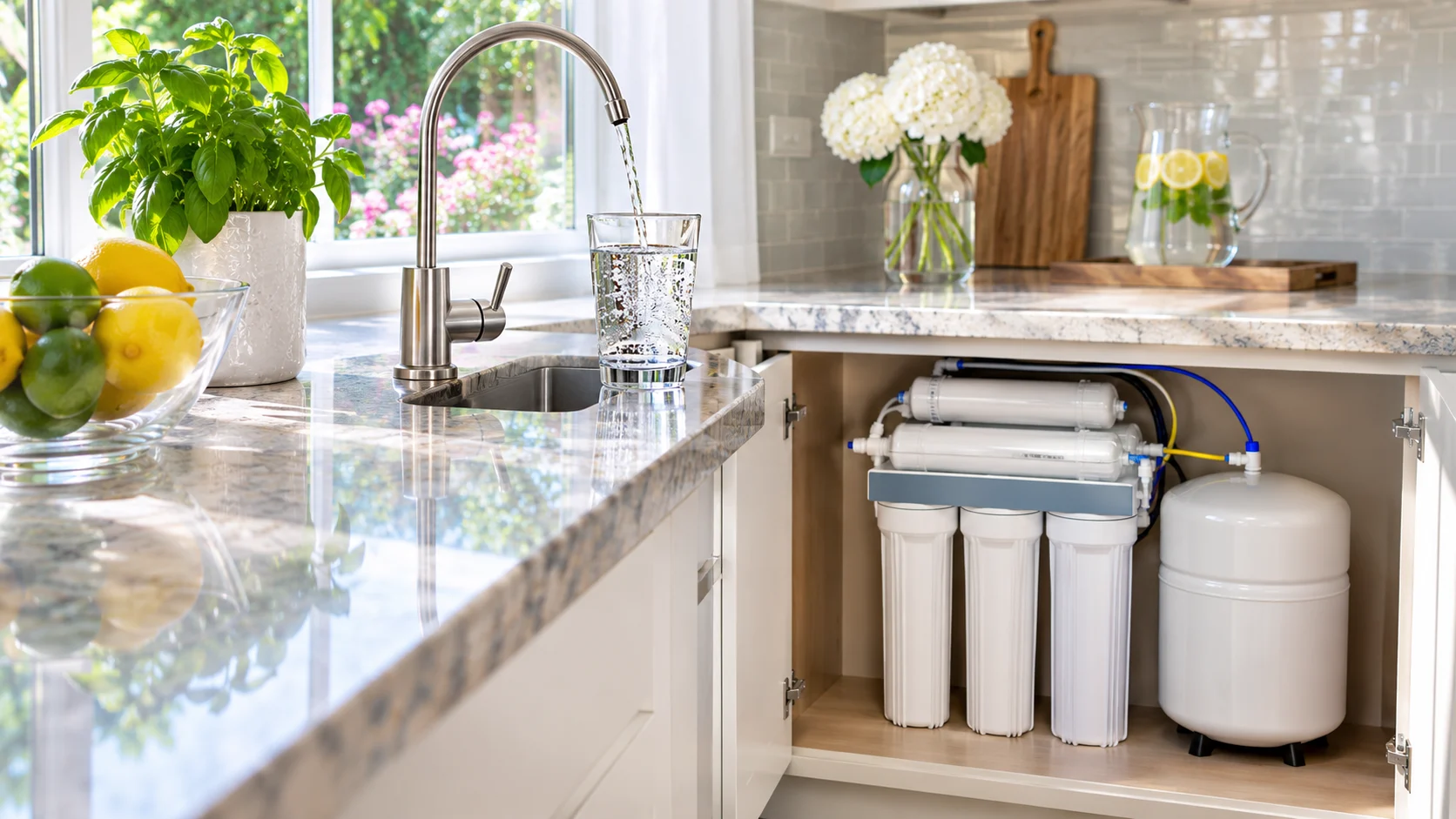
Most residential reverse osmosis systems are installed beneath kitchen sinks and connected to a dedicated drinking water faucet. Some models use storage tanks, while others provide filtered water through tankless designs. Their compact arrangement makes them convenient for households seeking purified drinking and cooking water without installing a filtration system throughout the entire property.
How Does Reverse Osmosis Water Filtration Work?
Reverse osmosis filtration works by applying pressure to water and forcing it through a specialized membrane. The membrane separates a large portion of dissolved contaminants from the incoming water supply. This process produces two streams: purified water for household use and concentrated wastewater that carries rejected substances away from the filtration system.
Most reverse osmosis systems use multiple filtration stages to improve overall performance. A sediment filter usually removes dirt, rust, and suspended particles before water reaches the membrane. Carbon filters commonly reduce chlorine and certain organic compounds, helping protect the membrane and improve water taste. Additional filtration stages may provide further polishing before water reaches the faucet.
Water pressure plays an important role in the effectiveness of reverse osmosis purification. Insufficient pressure can reduce production speed and increase the proportion of water sent to the drain. Some systems include booster pumps to maintain suitable operating conditions. Proper installation and regular filter replacement help keep the purification process consistent and efficient.
What Contaminants Can Reverse Osmosis Remove?
Reverse osmosis systems are effective at reducing many dissolved contaminants commonly found in water supplies. Depending on the model, these may include lead, arsenic, fluoride, nitrates, and certain dissolved salts. The membrane creates a physical barrier that rejects many substances while allowing water to pass. However, verified removal capabilities differ between individual systems.
These systems can also reduce total dissolved solids, commonly called TDS. Dissolved solids may include minerals such as calcium, magnesium, and sodium, along with other dissolved substances. Lower TDS readings indicate fewer dissolved ions but do not automatically prove that water is safe. Some harmful contaminants are not adequately identified through basic TDS testing.
Certain reverse osmosis systems can reduce additional contaminants when equipped with appropriate filtration components. However, dissolved gases and some volatile chemicals may require specialized treatment stages. Never assume that every reverse osmosis filter removes bacteria, viruses, pesticides, or emerging contaminants equally. Check independent performance certifications for the specific substances you want to reduce.
Major Benefits of Using a Reverse Osmosis Water Filter
One major advantage of reverse osmosis filtration is its ability to reduce a broad range of unwanted substances. This can be particularly valuable in homes with water containing elevated levels of certain dissolved contaminants. When properly selected and maintained, a certified system provides an additional treatment barrier that can improve drinking water quality.
Improved taste is another reason homeowners consider reverse osmosis water filters. Dissolved minerals and certain chemicals can influence water flavor, odor, and overall drinking experience. Carbon filtration stages also help reduce compounds that create unpleasant tastes. As a result, some households find filtered water more enjoyable for drinking, preparing beverages, and everyday cooking.
Reverse osmosis systems may also reduce reliance on bottled drinking water. Having purified water available from a dedicated faucet can provide convenient access throughout the day. Over time, this may help households reduce disposable plastic bottle usage and repeated purchases. However, environmental benefits should also account for filter cartridges, electricity consumption, and wastewater production.
Disadvantages of Reverse Osmosis Water Filtration
Although reverse osmosis offers valuable purification benefits, it also has disadvantages. The filtration process sends some incoming water to a drain to remove concentrated contaminants. The amount of wastewater varies significantly according to system design, water pressure, and maintenance conditions. Older or inefficient systems may use considerably more water than modern high-efficiency alternatives.
Another limitation involves the removal of naturally occurring minerals from drinking water. Reverse osmosis membranes reduce calcium, magnesium, and other dissolved minerals alongside unwanted substances. This may produce water with a flatter taste, although mineral intake usually comes primarily from food. Some systems include remineralization stages to adjust taste after purification.
Cost and maintenance also influence whether a reverse osmosis system is practical. Filters and membranes require replacement, and certain installations may need professional plumbing assistance. Storage tanks occupy cabinet space, while some tankless models depend on electricity. Homeowners should evaluate these ongoing requirements rather than focusing exclusively on the initial purchase price.
Reverse Osmosis vs. Other Water Filtration Systems
Reverse osmosis and activated carbon filtration use different purification methods. Carbon filters are useful for reducing chlorine, unpleasant tastes, odors, and certain organic contaminants. However, ordinary activated carbon filters generally do not remove dissolved salts or nitrates effectively. Reverse osmosis membranes provide broader removal of many dissolved substances, making them suitable for different water quality concerns.
Ultrafiltration systems offer another approach to household water treatment. These filters can remove many suspended particles and microorganisms through membranes with larger pores than reverse osmosis membranes. However, ultrafiltration generally does not significantly reduce dissolved minerals or salts. Its suitability depends on whether the main concern involves particles, microbial contamination, or dissolved chemicals.
Water softeners also perform a different function from reverse osmosis systems. Traditional softeners exchange hardness minerals such as calcium and magnesium for sodium or potassium ions. They help reduce scale buildup but do not provide comprehensive drinking water purification. Households with multiple water problems may benefit from separate treatment methods designed for each specific concern.
How Much Does a Reverse Osmosis Water Filter Cost?
The cost of a reverse osmosis water filter depends on its design, filtration capacity, brand, and additional features. Basic under-sink systems are generally less expensive than premium tankless models with pumps and monitoring features. Prices also vary across countries and retailers. Comparing complete system specifications helps homeowners understand what they are paying for.
Installation expenses should be included when calculating the total investment. Some homeowners can install suitable systems using manufacturer instructions, while others prefer professional plumbing services. Extra work may be necessary when existing connections do not support the selected equipment. Dedicated faucets, electrical outlets, and drainage modifications can increase installation costs.
Ongoing maintenance is another important financial consideration. Sediment filters, carbon cartridges, and reverse osmosis membranes require periodic replacement to maintain reliable performance. Replacement schedules depend on manufacturer recommendations, water quality, and household consumption. Before purchasing, calculate the estimated annual filter expense and check whether compatible replacement parts are readily available.
How Much Water Does a Reverse Osmosis System Waste?
Reverse osmosis systems generate wastewater because rejected contaminants must be flushed away from the membrane. This concentrated stream is commonly directed into the household drainage system. The amount varies by product, operating pressure, and water temperature. Some inefficient residential systems can send several gallons to the drain for each gallon of purified water produced.
Modern reverse osmosis technology has introduced designs that improve water recovery. Certain systems use pumps, optimized membranes, and specialized controls to reduce wastewater production. However, advertised efficiency ratings may be measured under specific laboratory conditions. Actual household performance can differ depending on incoming water quality, plumbing conditions, and maintenance.
Homeowners concerned about water conservation should compare recovery or drain-to-product ratios when evaluating systems. A lower wastewater ratio generally indicates better water efficiency under comparable testing conditions. However, efficiency should not compromise verified contaminant reduction. Selecting a properly certified, well-maintained system provides a more balanced approach to water quality and conservation.
How to Choose the Best Reverse Osmosis Water Filter
Choosing the best reverse osmosis water filter begins with understanding your water supply. Municipal water reports and appropriate laboratory testing can identify contaminants that may require treatment. Private well owners should consider regular water testing because well conditions can change. Knowing your specific water quality concerns prevents unnecessary spending on unsuitable filtration equipment.
Next, compare filtration performance, daily production capacity, and independent certification. NSF/ANSI 58 is an important standard associated with reverse osmosis drinking water treatment systems. However, certification does not mean every product has been tested for every contaminant. Review the exact performance claims and confirm that the system addresses the substances identified in your water.
Household convenience should also influence the buying decision. Consider storage capacity, flow rate, available cabinet space, replacement filter costs, and installation requirements. Tankless systems may save space but can require electrical power and produce different flow rates. Choose a model that balances dependable purification with your family’s water usage and maintenance preferences.
Installation and Maintenance Requirements
Most residential reverse osmosis water filters are installed beneath kitchen sinks near existing plumbing connections. Installation generally includes connecting the feed water supply, filtration unit, dedicated faucet, and drain line. Some designs require an additional storage tank or electrical connection. Following manufacturer specifications helps prevent leaks, poor performance, and unnecessary damage to nearby cabinetry.
Routine filter replacement is essential for maintaining system performance. Sediment and carbon cartridges often require more frequent replacement than reverse osmosis membranes, but exact intervals vary. Water quality and daily consumption can shorten filter service life. Follow manufacturer guidance rather than assuming that every cartridge should be replaced on the same schedule.
Sanitation and regular inspection are equally important for long-term reliability. Check tubing, fittings, storage tanks, and filter housings for leaks or visible damage. Replace worn components promptly and follow recommended system-cleaning procedures. If filtered water develops unusual odors, tastes, or performance problems, investigate the cause and consider appropriate water testing.
Is Reverse Osmosis Water Safe to Drink Every Day?
Water produced by a properly maintained reverse osmosis system is generally suitable for everyday drinking when the source water and treatment system are appropriately managed. The membrane removes many dissolved substances that may affect water quality. However, filtration effectiveness depends on product certification, installation, maintenance, and the contaminants present in the incoming supply.
Some people worry that reverse osmosis water contains too few essential minerals. Although the process reduces calcium and magnesium, most people obtain these nutrients primarily through a balanced diet. Drinking water mineral content can contribute to intake, but it is not the only nutritional source. Remineralization filters are available for households that prefer adjusted taste.
Safety should never be judged by taste or appearance alone. Clear water can still contain harmful contaminants, and a low TDS reading does not guarantee microbiological safety. Households using private wells or questionable water sources may need additional disinfection treatment. Regular testing and appropriate filtration provide greater confidence than relying on marketing promises.
When Is a Reverse Osmosis Water Filter Worth It?
A reverse osmosis water filter is often worth considering when testing reveals contaminants that the selected system is certified to reduce. It may also be useful for households seeking lower dissolved solids in drinking water. The value becomes clearer when the filtration system addresses an actual water quality concern rather than an assumed problem.
Reverse osmosis may be less necessary when existing tap water already meets relevant safety standards and household preferences. A simpler carbon filter might adequately improve taste and odor at a lower cost. In such situations, installing an advanced purification system may introduce expenses and wastewater without delivering meaningful additional benefits.
The decision should balance contaminant reduction, convenience, operating costs, and maintenance responsibilities. Compare the total ownership cost with alternatives such as basic filtration or purchased drinking water. Consider the environmental effects of bottled water and filtration waste. A well-matched system can offer lasting value when its benefits directly address household needs.
Conclusion
A reverse osmosis water filter can be a worthwhile investment for households dealing with certain dissolved contaminants or seeking improved drinking water quality. Its advanced membrane technology reduces many substances that basic filters cannot effectively remove. However, actual performance depends on system certification, proper installation, and regular maintenance.
Before purchasing, evaluate your water quality, available space, filtration requirements, and long-term expenses. Remember that reverse osmosis systems produce wastewater and require replacement components throughout their service life. Comparing treatment options can help determine whether advanced purification is necessary or whether a simpler filtration method would be sufficient.
The best water filtration solution is one that addresses verified concerns without creating unnecessary costs. Reverse osmosis can provide convenient, dependable treatment when selected and maintained correctly. By understanding its advantages and limitations, homeowners can make informed decisions and enjoy greater confidence in their drinking water.
Frequently Asked Questions
Is a Reverse Osmosis Water Filter Really Worth the Money?
Yes, a reverse osmosis water filter can be worth the investment when your water contains contaminants the system is certified to reduce. Its value depends on water quality, maintenance expenses, and household needs.
Does Reverse Osmosis Remove Healthy Minerals From Water?
Yes, reverse osmosis reduces beneficial minerals such as calcium and magnesium along with unwanted dissolved substances. However, most people obtain these nutrients through food, and optional remineralization filters can improve water taste.
How Often Should You Replace Reverse Osmosis Filters?
Replacement intervals depend on system design, water quality, and usage. Many sediment and carbon filters require replacement within 6–12 months, while membranes often last several years under suitable operating conditions.
Is Reverse Osmosis Water Better Than Bottled Water?
Reverse osmosis water can offer convenient contaminant reduction and reduce disposable bottle usage. However, neither option is automatically safer because quality depends on the water source, treatment process, testing, and proper handling.
Can You Drink Reverse Osmosis Water Every Day?
Yes, properly treated reverse osmosis water is generally suitable for daily drinking. However, the filtration system must be maintained correctly, and any remaining microbiological or chemical concerns should be addressed through appropriate testing and treatment.