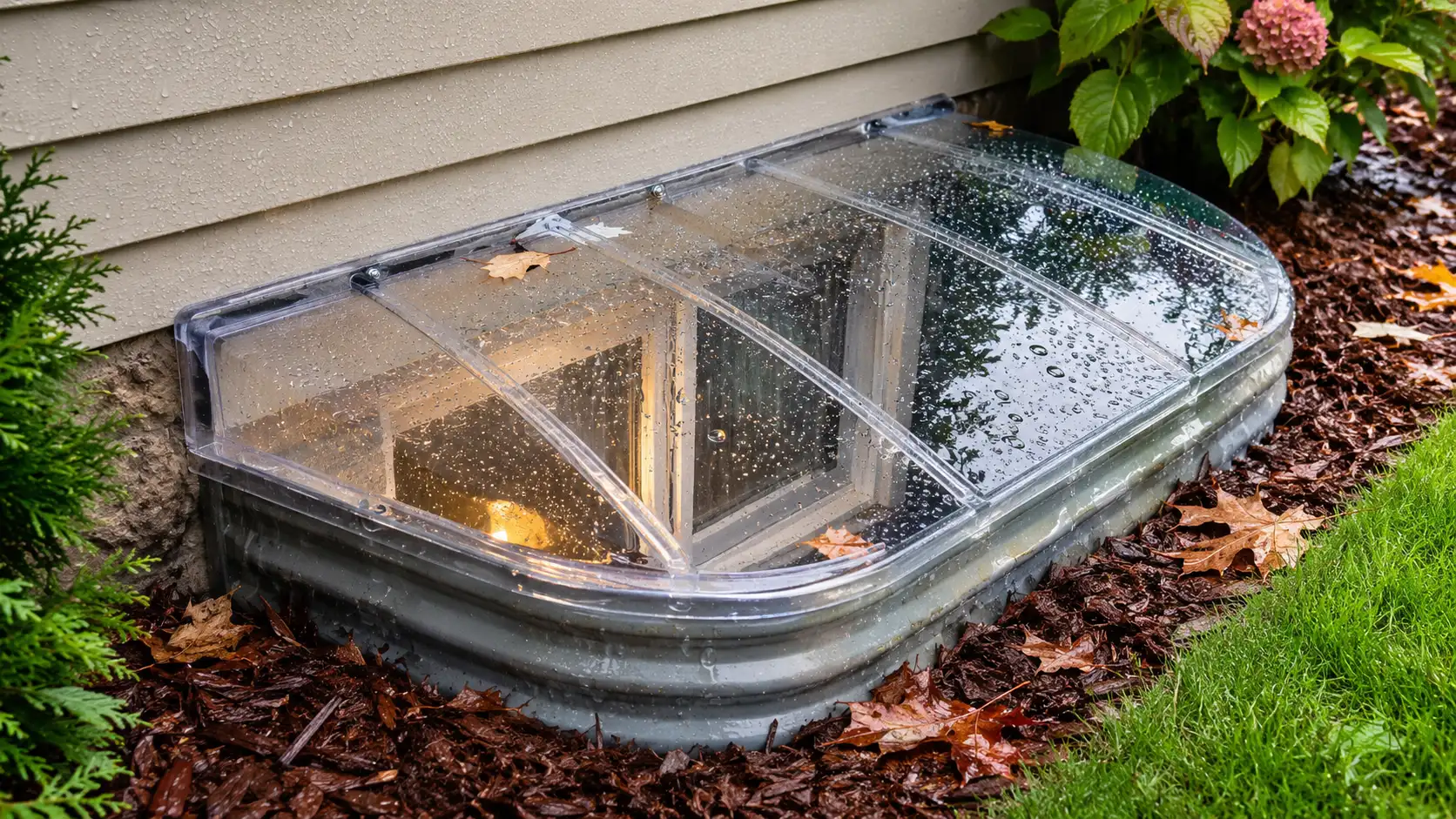
Basement windows provide natural light, fresh air, and a connection to the outdoors. However, the open spaces surrounding these windows can collect rainwater, fallen leaves, dirt, and other unwanted materials. Installing window well covers helps protect these areas while keeping basement windows cleaner and easier to maintain. Choosing the right cover can also improve safety, reduce maintenance work, and support better moisture management around your home.
What Are Window Well Covers and Why Are They Important?
Window well covers are protective structures installed over the openings surrounding basement windows. They help prevent leaves, branches, litter, and other debris from collecting inside the well. Certain designs also reduce the amount of rain and snow entering the opening. Their effectiveness depends on the cover’s material, shape, fit, and installation quality.
Most basement window wells sit below the surrounding ground level. Without suitable protection, these recessed spaces can collect debris and become difficult to maintain. Excessive buildup may interfere with drainage or block part of the window. A properly selected cover helps keep the area more manageable while allowing the window to perform its intended functions.
Window well protection becomes especially valuable in areas with frequent rainfall, falling leaves, or seasonal snow. Covers can reduce routine cleaning and help protect vulnerable basement openings. However, they do not replace proper drainage or waterproofing systems. Homeowners should consider them one part of a complete basement maintenance and moisture-control plan.
How Window Well Covers Help Keep Out Rain and Debris
One of the main benefits of window well covers is their ability to reduce debris accumulation. Leaves, grass clippings, twigs, and windblown rubbish can quickly collect in uncovered wells. Over time, these materials may obstruct drainage openings. Adding a suitable cover helps limit buildup and makes seasonal cleaning easier.
Solid covers can also redirect a portion of rainfall away from the window well. Sloped or domed designs allow water to run toward the surrounding ground rather than directly into the opening. However, wind-driven rain and surface runoff may still enter. Proper grading and functional drainage remain necessary for reliable basement moisture protection.
Window well covers may also reduce the amount of snow that accumulates around basement windows. This can make the area easier to maintain during winter. Nevertheless, snow loading and freezing conditions must be considered when selecting a product. A cover should be designed for local weather conditions and installed according to the manufacturer’s requirements.
Different Types of Window Well Covers Available
Flat window well covers are commonly used for shallow or relatively compact basement openings. They sit close to the top of the well and may be manufactured from clear plastic, polycarbonate, or metal. Their simple appearance works with many exterior designs. However, flat covers may not provide the same water-shedding characteristics as properly sloped alternatives.
Domed window well covers feature a raised or curved shape above the opening. This design can provide extra clearance and help direct rainfall away from the center. Many transparent models also allow daylight to reach basement windows. Homeowners should confirm that the dome provides sufficient space for window operation and any required emergency escape.
Metal grates are another option, particularly where ventilation and physical strength are priorities. They can prevent larger objects from falling into the well while allowing air and sunlight through. However, open grates provide limited protection against rain and smaller debris. Their suitability depends on whether the main goal is drainage protection, ventilation, safety, or a combination of these needs.
Choosing the Best Material for Window Well Covers
Polycarbonate window well covers are popular because they combine transparency with impact resistance. Many designs allow natural light to enter basement rooms while limiting debris accumulation. Their durability depends on thickness, manufacturing quality, and environmental exposure. UV-resistant products may provide better long-term performance in areas receiving frequent sunlight.
Acrylic covers offer another transparent option with a clean appearance. They can provide good light transmission, making them suitable for basement windows where brightness matters. However, acrylic and polycarbonate have different impact and flexibility characteristics. Homeowners should compare product specifications rather than assuming that all clear plastic covers offer identical protection.
Metal covers are generally selected when strength and ventilation are important considerations. Steel and aluminum products are available in various configurations, including grates and reinforced designs. Corrosion-resistant finishes may be necessary in wet environments. Since metal grates usually remain open to rainfall, buyers should consider whether their design meets the property’s moisture-management requirements.
How to Measure Window Wells Before Buying Covers
Accurate measurements are essential when selecting window well covers. Begin by identifying the opening’s width, projection from the foundation, and overall shape. Some wells are rectangular, while others have rounded or irregular outlines. These differences influence how securely a cover fits and whether a standard product is suitable.
Measure the well at several points because older installations may not have perfectly uniform dimensions. Include any raised edges, surrounding materials, or mounting surfaces that affect placement. The cover must extend appropriately over the opening without interfering with nearby structures. Following the manufacturer’s measurement instructions helps reduce fitting problems during installation.
The window itself also needs attention before purchasing a cover. Check how the sash opens and whether it requires additional clearance above the well. Basement emergency escape windows have particularly important space and accessibility requirements. A suitable cover must not prevent occupants from opening the window or using an approved escape route.
Custom vs. Standard Window Well Covers
Standard window well covers are designed to fit common basement well dimensions. They are often easier to find and may cost less than custom-made alternatives. These products work best when the well matches the manufacturer’s specified shape and measurements. A compatible standard cover can offer dependable performance without requiring unnecessary modifications.
Custom window well covers are designed around the dimensions of a particular opening. They may be useful for older homes, unusually shaped wells, or installations with special clearance requirements. Custom designs can also accommodate specific architectural features. However, accurate measurements and clear communication with the manufacturer remain essential for achieving a reliable fit.
The choice between standard and custom covers should depend on practical requirements rather than appearance alone. A poorly fitting standard cover may leave gaps that allow debris and rain to enter. A properly designed custom option may solve these issues. Compare overall cost, installation needs, maintenance access, and emergency escape compatibility before making a decision.
Installing Window Well Covers the Right Way
Proper installation begins with cleaning the existing window well and inspecting its condition. Remove accumulated leaves, loose debris, and materials that may interfere with drainage. Check surrounding surfaces for damage or instability. Preparing the area helps create a suitable foundation for the new cover and makes existing maintenance problems easier to identify.
Next, follow the manufacturer’s instructions for positioning and securing the cover. Some designs rest on the well rim, while others require specific mounting brackets. The installation method should match the cover material and surrounding structure. Avoid drilling into unfamiliar foundation or drainage components without confirming that the procedure is appropriate for the property.
After installation, verify that the cover sits securely and operates as intended. Check for unwanted movement, major gaps, or interference with the basement window. If the window provides emergency escape, test the release and opening process from inside. A correctly installed cover should provide protection without creating unsafe access restrictions or unnecessary maintenance difficulties.
Window Well Covers and Basement Water Protection
Basement water problems often begin when rainwater or surface runoff reaches vulnerable foundation areas. Window wells can become collection points when drainage is inadequate. Protective covers may reduce direct rainfall entering these spaces. However, they cannot correct blocked drains, poor grading, damaged foundation waterproofing, or other underlying water-management problems.
A functioning window well drainage system allows accumulated water to move away from the opening. Depending on the property, drainage may connect to a foundation system or another approved outlet. If drainage becomes obstructed, water can rise toward the basement window. Keeping drainage paths clear remains important even when a cover is installed.
Homeowners should also examine the ground surrounding basement windows. Soil or paving that directs water toward the foundation may increase moisture problems. Gutters and downspouts should discharge water appropriately away from vulnerable areas. Combining these improvements with suitable window well covers offers a more complete approach to reducing basement water intrusion risks.
Window Well Covers for Basement Emergency Exits
Some basement windows serve as emergency escape and rescue openings. These windows must remain accessible and functional during an emergency. Installing an unsuitable cover could interfere with the required opening or make escape difficult. Therefore, identifying the window’s intended purpose is one of the most important steps before choosing protective hardware.
Covers installed over required emergency escape openings must comply with applicable building regulations. They generally need to be removable or openable from inside without keys, tools, or special knowledge. The required clearance and operation depend on local rules and the approved window arrangement. Homeowners should verify these details before purchasing or installing any cover.
Safety should remain the priority even when rain protection and appearance are important. A heavy or permanently fastened cover may be inappropriate for a required escape window. Certain manufacturers provide specially designed egress-compatible products. Confirming code compliance and testing operation after installation helps preserve the intended emergency access.
Do Window Well Covers Improve Home Safety?
Open window wells can create hazards when they are difficult to see or located near frequently used outdoor areas. Depending on their design, properly rated covers may reduce the risk of accidental falls. However, not every cover is intended to support weight. Homeowners should never assume that a transparent plastic panel is safe to walk or stand on.
Covers designed for physical protection may include reinforced materials or specific load ratings. These products should be selected according to the property’s actual requirements. A cover’s strength depends on its material, supporting structure, mounting method, and tested capacity. Reviewing manufacturer documentation helps distinguish structural safety products from basic debris guards.
Families should also consider visibility, accessibility, and routine outdoor activities around window wells. Landscaping and surrounding surfaces can influence how noticeable the opening remains. Suitable covers may provide an additional protective measure. Nevertheless, they should not be treated as substitutes for safe property design, proper maintenance, or supervision where appropriate.
Window Well Covers for Snow and Winter Weather
Winter conditions can place additional demands on window well covers. Snow accumulation, freezing rain, and changing temperatures may affect both the cover and its mounting components. Products designed for local weather conditions generally offer better suitability. Reviewing snow-load information is particularly important in regions that experience heavy or prolonged winter precipitation.
Domed and sloped covers may help shed snow more effectively than completely flat surfaces. However, accumulated snow can still create significant weight and obstruct movement. Homeowners should follow manufacturer guidance when removing buildup. Avoid striking frozen plastic panels or using inappropriate tools, because these actions may damage the cover.
Winter maintenance also includes checking whether emergency escape mechanisms remain accessible. Ice should not prevent occupants from opening a required exit. Inspect surrounding drainage areas when conditions permit, and address damaged components promptly. A winter-ready installation balances weather protection, structural performance, and the ability to use the window safely when necessary.
Maintaining Window Well Covers Throughout the Year
Routine cleaning helps window well covers remain attractive and functional. Dust, leaves, pollen, and other materials can collect on the upper surface. Use cleaning products and methods recommended for the specific material. Harsh chemicals or abrasive equipment may damage transparent surfaces, protective coatings, or mounting components.
Inspect the cover periodically for cracks, loose brackets, unusual movement, or signs of deterioration. Transparent plastic products may develop damage after prolonged environmental exposure. Metal components can also show corrosion or fastening problems. Identifying these changes early helps determine whether maintenance, repair, or replacement is necessary.
Seasonal inspections should include the window well beneath the cover. Check for accumulated water, drainage obstructions, insects, and unwanted debris. Make sure the basement window continues to open normally and that any emergency release remains functional. Regular attention supports long-term performance and helps prevent minor problems from becoming more expensive repairs.
Common Mistakes to Avoid When Buying Window Well Covers
Purchasing a cover based only on its general appearance is a common mistake. Products that look similar may have different dimensions, strength ratings, and installation requirements. An unsuitable cover can leave gaps or interfere with the window. Checking measurements and product specifications before buying helps prevent these avoidable problems.
Another mistake is assuming that every cover completely waterproofs a window well. Some products are designed mainly to block larger debris rather than rainfall. Even solid covers cannot always prevent wind-driven water from entering. Effective basement moisture control also requires suitable drainage, grading, and maintenance around the foundation.
Ignoring emergency escape requirements can create more serious consequences than poor fitting or water leakage. A cover that cannot be opened from inside may make a required exit unusable. Homeowners should also avoid products without suitable structural ratings when fall protection is needed. Selecting hardware according to its intended purpose supports safer and more dependable results.
Signs Your Window Well Cover Needs Replacement
Visible cracks, broken edges, and significant deformation may indicate that a cover can no longer perform reliably. Damage can allow debris and rainwater to enter the well. It may also reduce the cover’s ability to remain securely positioned. Inspecting deterioration promptly helps prevent further problems around basement openings.
Loose mounting hardware and unstable support surfaces are additional warning signs. A cover that shifts unexpectedly may no longer fit the well correctly. Changes in the surrounding structure can also affect alignment. If the problem cannot be corrected through approved maintenance, replacing the cover or repairing its support system may be necessary.
Replacement may also be appropriate when household requirements change. A renovated basement could introduce different ventilation, lighting, or emergency escape needs. An older cover might not meet the new specifications. Reassessing compatibility before continuing to use it helps ensure that protection does not interfere with the window’s intended function.
How Much Do Window Well Covers Cost?
Window well cover prices vary according to material, size, design, and construction quality. Basic standard-size products generally cost less than specialized custom designs. Reinforced covers and systems with emergency-release features may require a larger investment. Comparing products based on their actual specifications provides a more useful assessment than considering price alone.
Installation costs also depend on the surrounding conditions and the selected mounting system. A straightforward replacement may require relatively little preparation, while unusual wells may need additional work. Damaged drainage components or unstable mounting surfaces can increase the project’s overall cost. These underlying problems should be addressed rather than concealed beneath a new cover.
Long-term value includes durability, maintenance requirements, and replacement-part availability. A low-priced cover may not provide the desired performance in demanding weather conditions. Conversely, expensive features offer limited benefit when they do not match the property’s needs. Choosing an appropriate product helps balance upfront spending with practical protection and service life.
Conclusion
Window well covers offer a practical way to reduce debris buildup and limit some direct rain and snow exposure around basement windows. Their benefits depend on choosing the correct design, dimensions, materials, and installation method. A properly fitted cover can make routine maintenance easier while helping keep the surrounding area cleaner and more manageable.
However, covers should not be mistaken for complete waterproofing or drainage solutions. Basement protection also depends on functional drains, suitable grading, and well-maintained foundation systems. Emergency escape requirements deserve equal attention whenever a basement window serves that purpose. Considering these factors together helps homeowners avoid ineffective or unsafe installations.
Whether replacing an older cover or protecting a new basement window, begin with accurate measurements and clearly defined priorities. Compare product specifications, follow installation instructions, and inspect the finished result regularly. With the right approach, window well covers can provide lasting convenience, improved protection, and greater confidence in everyday basement maintenance.
Frequently Asked Questions
Do Window Well Covers Keep Rain Out?
Solid window well covers can reduce the amount of rain entering basement wells, especially when properly fitted. However, wind-driven rainfall and surface runoff may still enter, making effective drainage essential.
What Is the Best Material for Window Well Covers?
Polycarbonate is often a practical choice because it offers transparency and impact resistance. Acrylic and metal alternatives may also work well, depending on the required strength, ventilation, appearance, and environmental conditions.
Can You Install Window Well Covers Yourself?
Some standard window well covers are suitable for homeowner installation when manufacturer instructions are followed. However, unusual mounting conditions, structural concerns, and emergency escape requirements may justify professional assistance.
Are Window Well Covers Safe to Walk On?
Not all window well covers can support a person’s weight. Only use products specifically designed and rated for the intended loading conditions, and never assume that ordinary plastic covers provide adequate fall protection.
Do Basement Window Well Covers Need Ventilation?
Ventilation needs depend on the window’s purpose and the cover design. Some covers restrict direct airflow, while grates allow more ventilation. Required emergency access and the window’s normal operation must remain unobstructed.