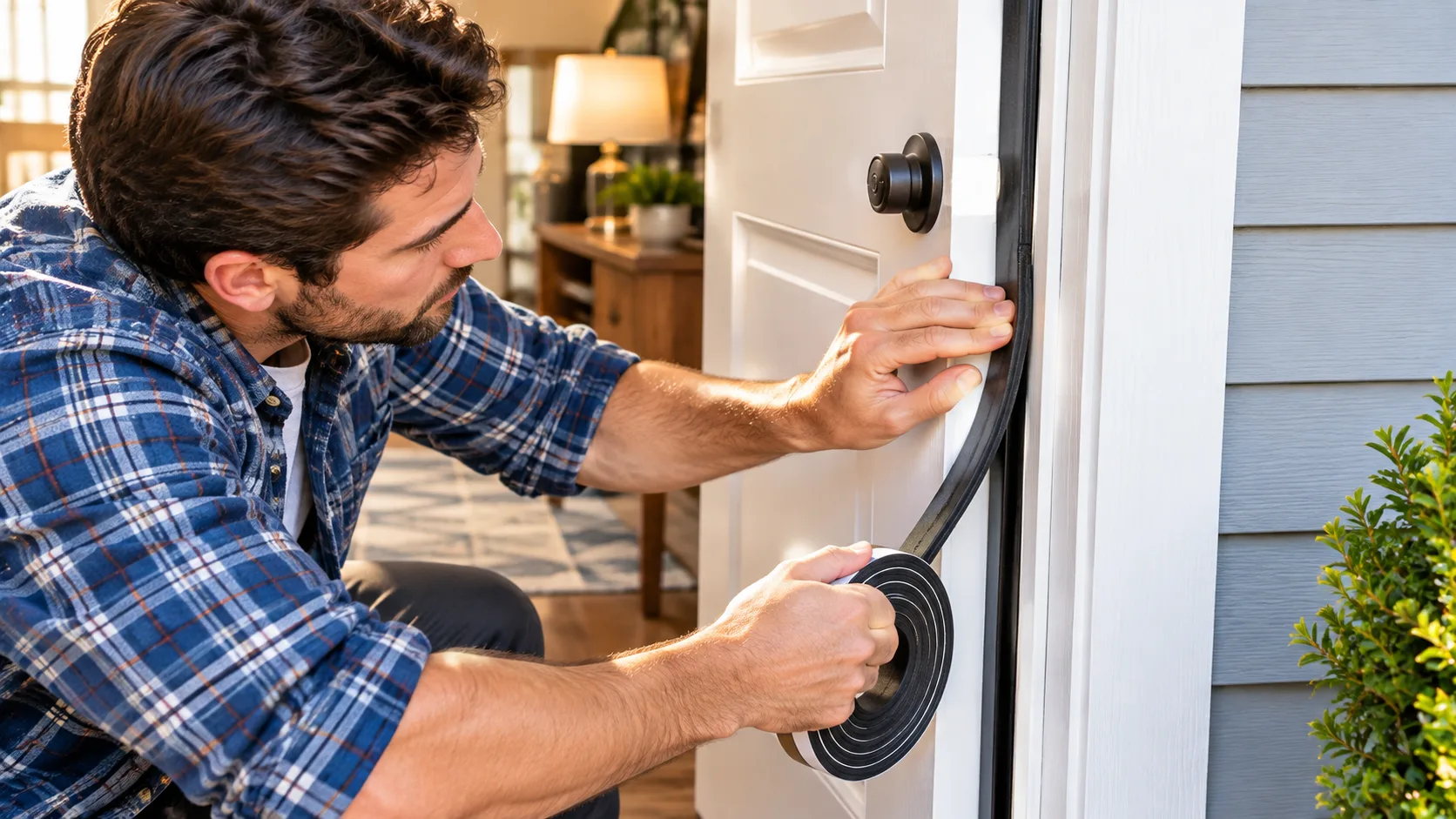
Door weather stripping is one of the simplest and most affordable ways to improve comfort, reduce unwanted drafts, and support energy efficiency at home. Small gaps around exterior doors can allow cold air, warm air, dust, and moisture to enter. Over time, these openings may make indoor temperatures less comfortable and increase the workload on heating and cooling systems.
Installing suitable door weather stripping can help seal these gaps without requiring expensive renovations or complete door replacement. However, choosing the right material, understanding different sealing options, and avoiding installation mistakes are important for long-lasting results. This guide explains weather stripping types, benefits, costs, installation considerations, and practical ways to keep your home comfortable throughout the year.
What Is Door Weather Stripping?
Door weather stripping is a sealing material designed to close unwanted gaps around doors. It is commonly installed along door frames, bottom edges, and other contact points where outside air may enter. When properly fitted, weather stripping helps reduce air leakage while allowing the door to open and close normally.
Different weather stripping products use materials such as rubber, silicone, vinyl, foam, and metal. Each option offers distinct characteristics involving flexibility, durability, weather resistance, and installation requirements. Choosing a suitable product depends on the door type, gap dimensions, frequency of use, and environmental conditions.
Weather stripping is commonly used on exterior entry doors, patio doors, garage access doors, and some interior doors. It can improve comfort by limiting unwanted airflow and reducing certain sources of outdoor noise. However, it should not block required ventilation or interfere with the safe operation of the door.
Why Door Weather Stripping Matters for Your Home
Even small openings around exterior doors can contribute to uncomfortable drafts. During winter, cold outdoor air may enter through poorly sealed gaps, while conditioned indoor air escapes. In summer, warm air can enter the house and make it harder to maintain comfortable indoor temperatures.
Reducing uncontrolled air leakage can support better household energy performance. Heating and cooling systems may operate more efficiently when the building envelope has fewer unnecessary gaps. However, actual energy savings depend on the home’s insulation, climate, heating equipment, and other sources of air leakage.
Weather stripping can also help reduce dust, insects, and wind-driven moisture entering through certain door openings. These benefits make it a practical maintenance improvement for many properties. A well-sealed door may feel more comfortable and operate more quietly, provided the sealing materials are correctly selected and installed.
Common Signs Your Door Needs Weather Stripping
One common sign of worn weather stripping is a noticeable draft around a closed exterior door. You may feel moving air near the frame, threshold, or bottom edge. This often happens when existing seals become compressed, damaged, or detached after repeated door movement and environmental exposure.
Visible daylight around a closed door may also indicate a gap that needs attention. Other warning signs include cracked rubber, torn vinyl, loose foam, or moisture appearing near the door during rainy weather. However, some gaps may result from door misalignment rather than damaged weather stripping alone.
Inspecting your door periodically can help identify these problems before they become more noticeable. Check the perimeter seals and observe whether the door closes evenly against its frame. If the door is warped, damaged, or difficult to latch, repairs may be necessary before installing replacement sealing materials.
Different Types of Door Weather Stripping
Door weather stripping comes in several designs, each intended for particular gaps and door configurations. Common options include adhesive foam tape, V-strip seals, tubular rubber gaskets, silicone seals, and door sweeps. These products work differently, so their suitability depends on where they will be installed.
Adhesive foam tape is commonly used for some small, relatively uniform gaps. V-strip products use flexible material that compresses when the door closes, while tubular seals create a gasket around suitable frame surfaces. Door sweeps and bottom seals address openings beneath doors rather than gaps around the entire frame.
Choosing the correct type requires understanding the door’s construction and the available sealing surfaces. Some products attach with adhesive, while others use fasteners or fit into existing channels. Manufacturer instructions should guide selection because incompatible seals may prevent doors from closing properly or provide inadequate protection.
Foam Weather Stripping: Affordable and Easy to Use
Foam weather stripping is a popular option for homeowners seeking a relatively inexpensive sealing solution. It is commonly available in adhesive-backed rolls that can be fitted to certain door frames. Its compressible structure allows it to fill suitable gaps and reduce unwanted airflow when the door is closed.
Foam seals are available in different thicknesses, widths, and densities. Softer materials may be useful for smaller gaps, while higher-density products can provide different compression characteristics. However, foam generally has a shorter service life than some premium sealing materials, especially in locations exposed to frequent movement or harsh weather.
Before choosing foam weather stripping, check whether the intended surface is suitable for adhesive installation. Moisture, dirt, peeling paint, and rough materials can weaken adhesion. Foam may be a practical choice for certain low-cost repairs, but frequently used exterior doors may benefit from more durable gasket systems.
Rubber and Silicone Door Weather Stripping
Rubber weather stripping is widely used because it combines flexibility with resistance to repeated compression. Certain rubber gasket designs can provide durable seals around exterior doors. Their performance depends on the specific material formulation, environmental exposure, and compatibility with the door frame.
Silicone weather stripping is another option, particularly for applications requiring flexibility across changing temperatures. Some silicone products resist weathering and maintain their sealing properties over extended periods. However, not every silicone seal is suitable for every gap, and product quality can vary between manufacturers.
Both rubber and silicone products may cost more than basic foam tape. Nevertheless, their potential durability can make them worthwhile for frequently operated doors. Compare compression requirements, attachment methods, warranty coverage, and manufacturer recommendations before choosing a sealing material for your home.
V-Strip and Tension Seal Weather Stripping
V-strip weather stripping, sometimes called a tension seal, uses a folded flexible strip that presses against a door or frame. The material creates a barrier when the door closes and helps reduce airflow through certain narrow gaps. These seals are commonly available in plastic or metal-based designs.
One advantage of V-strip products is their relatively slim profile. This can make them useful in locations where bulky gaskets would interfere with door movement. However, correct placement is important because the strip must maintain suitable contact without becoming excessively compressed or preventing the door from latching.
V-strip weather stripping may be appropriate for selected door edges and frame joints. Its suitability depends on gap shape, door movement, and available attachment surfaces. Choosing a product designed for the intended location helps ensure reliable sealing while maintaining comfortable door operation.
Door Sweeps and Bottom Door Seals
The space beneath an exterior door is a common source of unwanted drafts. Door sweeps are designed to reduce airflow through this opening by creating contact with the threshold or floor surface. They may feature flexible rubber, vinyl, brush-like materials, or combinations of different sealing components.
Some door sweeps attach to the interior or exterior face of the door, while other bottom seals fit into specially designed channels. Automatic door bottoms are another option that lower a seal when the door closes. Each system offers different advantages depending on the door construction and available clearance.
The bottom seal must provide adequate contact without dragging excessively or preventing normal movement. Uneven thresholds, damaged flooring, or door alignment problems can affect performance. Selecting compatible hardware and confirming suitable clearance can help create a more effective and durable seal.
Best Weather Stripping for Exterior Doors
Exterior doors need sealing materials that can withstand temperature changes, moisture, and frequent use. Rubber, silicone, and certain high-quality vinyl gasket systems are common choices. The most suitable option depends on the existing door frame, available sealing channels, and local environmental conditions.
For doors with manufacturer-designed kerf slots, replacement seals should match the original profile and dimensions. These products fit into narrow channels within the frame and create contact with the closed door. Using the wrong profile can cause poor sealing or make the door difficult to close.
Homeowners should also consider the threshold and bottom seal when improving exterior door weather protection. Sealing only the sides may leave significant gaps beneath the door. A complete approach addresses appropriate contact points while preserving required drainage, ventilation, and door safety features.
Weather Stripping for Sliding Patio Doors
Sliding patio doors require sealing systems designed for horizontal movement. Unlike hinged doors, sliding panels travel along tracks and may use specialized pile weather stripping or other flexible seals. These materials help reduce air leakage without creating excessive resistance during normal sliding operation.
Pile weather stripping typically consists of dense fibers attached to a narrow backing strip. It is often used around sliding door frames where continuous movement makes conventional compression gaskets less suitable. Some products include additional barriers intended to improve sealing performance.
Replacing patio door weather stripping requires careful attention to the existing profile and track design. Incorrect materials may interfere with rollers or prevent the door from closing securely. If the sliding panel is damaged or misaligned, professional adjustment may be necessary before replacement seals can function properly.
How to Choose the Right Weather Stripping Size
Correct sizing is essential because weather stripping must create contact without excessive compression. A seal that is too thin may leave gaps, while an oversized product can make the door difficult to close. Checking the existing gap and available mounting area helps identify suitable product dimensions.
Weather stripping manufacturers commonly provide information about supported gap widths and recommended applications. These specifications should guide the selection process rather than choosing material based solely on appearance. Door frames may also contain different gap sizes along the top, sides, and bottom.
If a gap varies significantly across the door, the underlying problem may involve alignment, hinges, or frame condition. Adding thicker weather stripping is not always the correct solution. A qualified repair professional can assess substantial alignment problems and recommend appropriate adjustments before new sealing materials are installed.
How to Install Door Weather Stripping
Installing door weather stripping begins with identifying the areas where unwanted airflow enters. The door and frame should be inspected for damage, misalignment, and deteriorated sealing materials. Replacement products must match the intended location and should be installed according to the manufacturer’s instructions.
Surface preparation is particularly important for adhesive-backed weather stripping. The contact area should be clean, dry, and compatible with the selected adhesive. For channel-mounted or mechanically attached seals, correct dimensions and suitable fastening methods help maintain secure positioning during repeated door movement.
After installation, the door should open, close, and latch normally without excessive force. The seal should make appropriate contact around the intended edges without obstructing safety features or required ventilation. If problems remain, check for alignment issues or seek professional assistance rather than forcing the door against an unsuitable seal.
Common Door Weather Stripping Mistakes to Avoid
One common mistake is selecting weather stripping that is too thick for the available gap. Excessively compressed material can make a door difficult to close and may place unnecessary stress on hinges or latches. Correct sizing helps maintain a useful seal without interfering with everyday operation.
Another mistake involves applying adhesive-backed products over dusty, damp, or damaged surfaces. Poor surface preparation can cause seals to detach prematurely, leaving gaps that allow air leakage. Following the manufacturer’s cleaning and application guidance can help improve adhesion and reduce unnecessary replacement work.
Homeowners should also avoid sealing openings that are required for ventilation or combustion safety. In particular, some building systems depend on properly designed air supply and exhaust arrangements. Weather stripping should reduce unintended drafts without compromising indoor air quality, fire protection, or the safe operation of fuel-burning appliances.
How Much Does Door Weather Stripping Cost?
Door weather stripping is generally an affordable home maintenance improvement. Basic adhesive foam products may cost approximately $5 to $20 per roll in the United States, depending on dimensions and material quality. Rubber, silicone, and specialized gasket systems can cost more, particularly when designed for specific door models.
Door sweeps and bottom seals may cost approximately $10 to $50 or more for common residential products. Premium automatic door bottoms and specialized commercial sealing systems can be considerably more expensive. These figures are general budgeting estimates rather than current verified retailer prices.
Professional installation adds labor expenses that depend on the door condition, repair requirements, and local rates. Simple replacement work may be relatively inexpensive, while correcting misaligned doors or damaged thresholds can increase costs. Comparing materials and addressing underlying defects helps homeowners make practical decisions about the overall project budget.
Can Door Weather Stripping Lower Energy Bills?
Weather stripping can support energy efficiency by reducing uncontrolled airflow around exterior doors. When conditioned indoor air escapes and outdoor air enters, heating and cooling equipment may need to compensate. Reducing these leaks can improve comfort and contribute to more efficient temperature management.
However, actual savings depend on the condition of the entire building envelope. Homes with substantial attic, window, or wall air leakage may experience limited benefits from sealing one door alone. Weather stripping is most effective when combined with appropriate insulation and other air-sealing improvements.
Homeowners should also consider the difference between comfort improvements and direct financial savings. Even modest reductions in drafts can make rooms feel more comfortable without producing dramatic utility bill changes. Evaluating overall energy performance helps establish realistic expectations about the benefits of door sealing projects.
How to Maintain Door Weather Stripping
Regular inspections help identify weather stripping that has become worn, compressed, torn, or detached. Exterior door seals experience repeated movement and exposure to changing temperatures. Checking their condition periodically can help prevent minor deterioration from developing into noticeable drafts.
Cleaning requirements vary according to the material. Some rubber and vinyl seals can be cleaned gently using suitable products, while adhesive foam may require more careful handling. Avoid harsh chemicals that could weaken the material or damage nearby painted and finished surfaces.
Replacement may be necessary when seals no longer provide reliable contact with the door. However, repeated seal failure can indicate misalignment, friction, or unsuitable product selection. Addressing the underlying cause helps avoid unnecessary purchases and improves long-term performance.
How to Stop Door Drafts Without Replacing the Door
A drafty door does not always need complete replacement. Worn weather stripping, damaged bottom seals, and minor gaps around the frame may be corrected with compatible replacement materials. These improvements can be more affordable than purchasing a new door when the existing structure remains in good condition.
Other issues may involve the threshold, door sweep, or gaps between the frame and surrounding wall. These areas require different repair approaches, and some may need suitable air-sealing products rather than additional weather stripping. Proper diagnosis helps homeowners avoid repeatedly applying seals where they cannot resolve the problem.
When a door is severely warped, damaged, or unable to close securely, replacement may eventually become the better option. However, many ordinary drafts can be reduced through maintenance and appropriate repairs. A careful inspection provides a useful starting point for identifying cost-effective improvements.
Conclusion
Door weather stripping provides an affordable way to reduce drafts, improve indoor comfort, and support household energy efficiency. Different materials, including foam, rubber, silicone, and V-strip seals, offer solutions for various door types and gap sizes. Choosing the correct product is essential for achieving dependable results.
Successful weather stripping depends on accurate sizing, proper surface preparation, and suitable installation. Homeowners should also inspect thresholds, bottom seals, and door alignment when addressing unwanted airflow. Avoiding oversized materials, poor adhesion, and blocked ventilation can help prevent common problems and unnecessary expenses.
Whether you are maintaining an exterior entry door or improving a sliding patio door, thoughtful sealing can make everyday spaces more comfortable. Start by identifying the source of drafts and selecting compatible materials. With appropriate maintenance and timely replacement, door weather stripping can provide long-term value without requiring major renovations.
Frequently Asked Questions
What Is the Best Weather Stripping for Exterior Doors?
Rubber and silicone gaskets are popular options for exterior doors because of their flexibility and durability. The best choice depends on the door frame, gap dimensions, climate, and manufacturer requirements.
How Much Does Door Weather Stripping Cost?
Basic adhesive foam weather stripping may cost around $5 to $20 per roll, while specialized seals and door sweeps often cost more. Installation and repair requirements can increase the total expense.
Can Weather Stripping Stop Cold Air From Entering?
Yes, properly fitted weather stripping can reduce cold air entering through gaps around doors. However, it may not eliminate every draft, particularly when air leaks occur elsewhere in the building.
How Long Does Door Weather Stripping Last?
Service life varies by material, weather exposure, door usage, and installation quality. Basic foam may need more frequent replacement, while durable rubber or silicone seals can last longer under suitable conditions.
Can I Install Door Weather Stripping Myself?
Many compatible replacement seals are designed for straightforward installation. However, damaged doors, difficult alignment problems, and specialized sliding systems may require professional assistance to maintain safe and reliable operation.