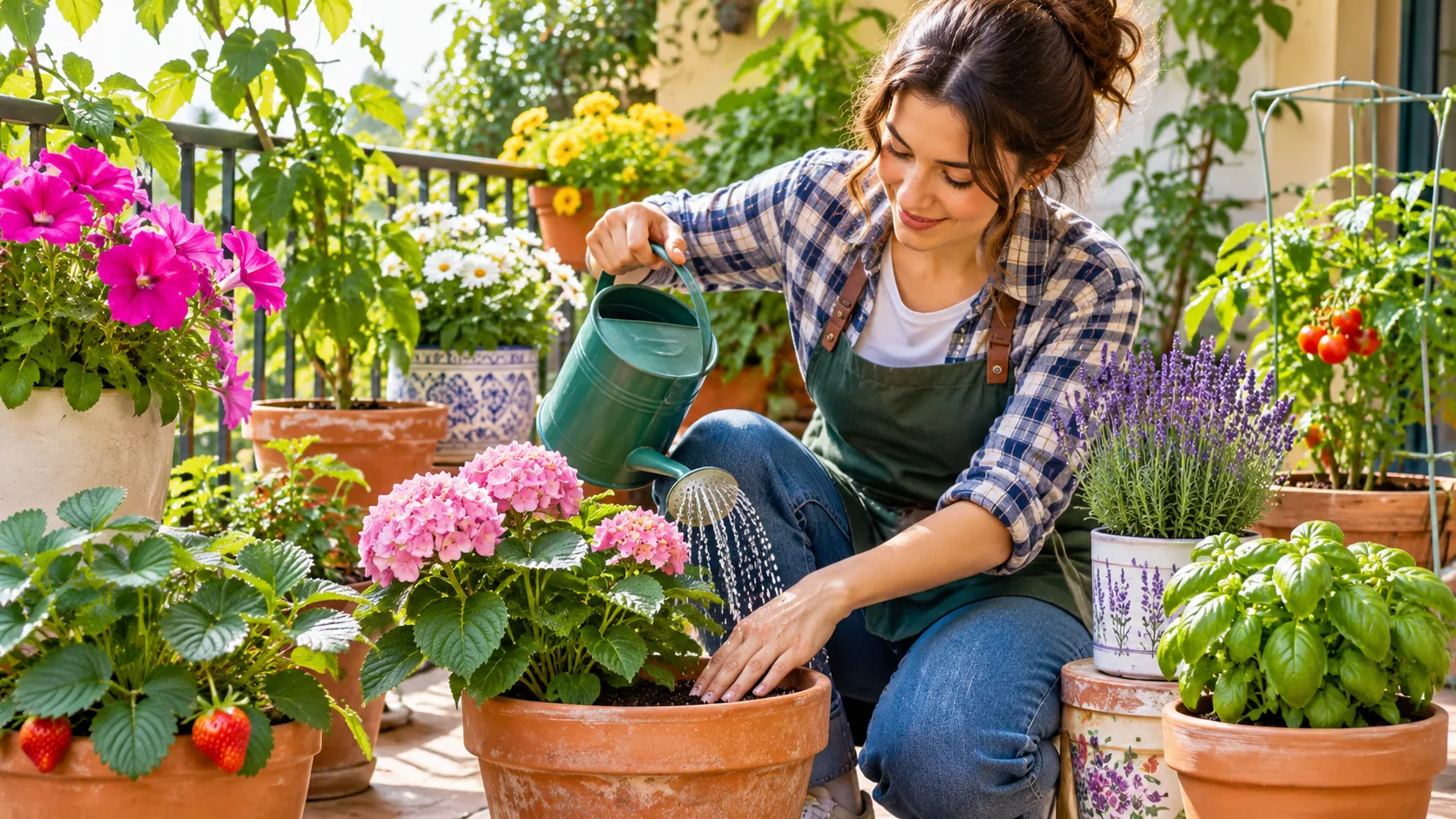
Container plants can make balconies, patios, and indoor spaces look beautiful, but keeping them healthy requires more than occasional watering. One of the biggest challenges gardeners face is knowing when their plants need moisture. Water too frequently, and roots may struggle with poor drainage. Wait too long, and plants can become stressed from dry soil.
So, how often should you water container plants? The answer depends on the plant variety, pot size, soil mixture, weather conditions, and growing environment. Some containers need daily attention during hot weather, while others remain moist for several days. Understanding these differences helps you develop a practical watering routine that supports healthy plant growth.
How Often Should You Water Container Plants?
Container plants should be watered whenever their soil reaches the appropriate level of dryness for the particular plant. Most common container plants benefit from watering when the upper layer of potting mix begins to feel dry. However, succulents and drought-tolerant varieties often need more drying time. There is no universal watering schedule suitable for every container.
During warm weather, outdoor containers may require watering every day or even more frequently under extreme conditions. Indoor plants often need water less regularly because they experience lower evaporation and different temperatures. Large containers generally retain moisture longer than very small pots. These differences explain why fixed watering schedules can sometimes cause problems.
The most reliable approach is to check soil moisture before watering rather than depending entirely on the calendar. Insert a finger into the potting mix to assess whether moisture remains beneath the surface. Consider the plant’s natural water requirements before adding more. Regular observation helps establish a watering routine that responds to actual growing conditions.
Why Do Container Plants Need Regular Watering?
Container plants depend on a limited amount of potting mix to store moisture for their roots. Unlike plants growing directly in garden soil, their roots cannot extend indefinitely into surrounding ground. Water availability therefore changes more quickly within containers. This makes moisture management an important part of successful container gardening.
Water supports essential plant functions, including nutrient transport, photosynthesis, and cellular structure. Roots absorb moisture from the growing medium and move it through the plant. Some water eventually leaves through small openings in leaves during transpiration. This natural process contributes to the continuous movement of water through plant tissues.
When a container becomes too dry, plant cells may lose the pressure needed to maintain normal firmness. Leaves can wilt, growth may slow, and flowers may decline. Excess moisture can also cause problems by reducing oxygen around the roots. Maintaining suitable moisture conditions supports healthy roots and normal plant development.
How Does Pot Size Affect Watering Frequency?
Pot size strongly influences how quickly a container loses available moisture. Small pots hold less growing medium and usually have a smaller reserve of water. Their soil can dry quickly, especially in direct sunlight or windy conditions. Plants growing in small containers may therefore require more frequent moisture checks.
Larger pots generally contain more potting mix, allowing them to store additional water. This can help reduce sudden changes in moisture availability. However, a large pot does not automatically mean that a plant needs less attention. Plant size, root development, drainage, and environmental conditions still influence watering requirements.
Choosing a container that suits the plant’s root system can make watering easier to manage. A pot that is much larger than the roots may hold excessive moisture for certain plants. Extremely small containers can dry rapidly and restrict root development. Selecting an appropriate size helps maintain a more predictable moisture balance.
How Does Container Material Influence Water Needs?
Container materials affect how moisture moves through the pot and surrounding environment. Terracotta and other unglazed clay containers allow some moisture to evaporate through their walls. This can help the growing medium dry more quickly. Plants in these containers may need more frequent watering than similar plants in nonporous pots.
Plastic and glazed ceramic containers generally retain moisture longer because water cannot evaporate as easily through their sides. Their ability to hold moisture can be useful in warm environments. However, drainage remains important because retained water can create overly wet conditions. Pot construction should match the plant’s growing requirements.
Metal containers can become warm when exposed to strong sunlight, potentially affecting root-zone temperatures. Wooden planters have different moisture characteristics depending on their construction and lining. Regardless of the material, drainage openings help prevent water from collecting around roots. Understanding the container’s properties makes watering decisions more accurate.
How Do You Check Soil Moisture Before Watering?
Checking soil moisture is one of the simplest ways to determine whether a container plant needs water. Insert your finger approximately one or two inches into the potting mix, depending on the plant and container size. Notice whether the soil feels dry, slightly moist, or wet. This provides more useful information than checking the surface alone.
For deeper containers, a wooden stick can help indicate moisture below the upper soil layer. Insert it carefully into the growing medium and examine it after removal. Moist potting mix may cling to the stick, while dry material often falls away. Avoid damaging established roots when using this method.
Lifting smaller containers can also help experienced gardeners estimate moisture levels. A freshly watered pot often feels heavier than the same container after drying. With practice, this difference becomes easier to recognize. Combining weight, soil texture, and plant appearance provides a more reliable assessment than relying on a single sign.
How Often Should You Water Outdoor Container Plants?
Outdoor container plants are exposed to changing temperatures, wind, rainfall, and sunlight. These conditions can cause moisture levels to change rapidly throughout the day. During mild weather, some plants may remain comfortable for several days between waterings. Hot or windy conditions can significantly increase their water requirements.
Flowering annuals and leafy vegetables often require consistent moisture during active growth. Containers positioned in direct sunlight may dry faster than those kept in partial shade. Hanging baskets are particularly vulnerable because they usually contain limited growing medium. Checking these containers regularly helps prevent unexpected drying.
Rainfall does not always provide enough moisture for outdoor containers. Dense foliage may prevent rain from reaching the potting mix, especially in hanging arrangements. Some brief showers wet only the upper surface. After rainfall, examine the soil beneath the surface before deciding whether additional watering is necessary.
How Often Should You Water Indoor Container Plants?
Indoor container plants generally experience more stable environmental conditions than outdoor plants. They are usually protected from strong winds, heavy rainfall, and direct exposure to extreme weather. As a result, many indoor plants require less frequent watering. However, the appropriate interval still depends on the species and growing environment.
A pothos or peace lily may need different moisture conditions from a snake plant or succulent. Some varieties prefer lightly moist soil, while others tolerate significant drying between waterings. Indoor light levels also influence growth and water consumption. Plants receiving brighter light may use moisture faster than those growing in darker areas.
Heating and air-conditioning systems can affect indoor humidity and moisture loss. Containers near warm vents or sunny windows may dry more rapidly. Conversely, plants in cool rooms with limited light may remain wet longer. Checking soil moisture regularly helps prevent both underwatering and excessive watering.
How Often Should You Water Container Plants in Summer?
Summer often increases watering requirements because higher temperatures promote evaporation and plant transpiration. Outdoor pots exposed to direct sunlight can lose moisture quickly. Small containers and hanging baskets may require daily checks during particularly hot periods. Some thirsty plants may need more than one watering on exceptionally demanding days.
Morning is often a practical time to water outdoor container plants during summer. Cooler conditions can reduce immediate evaporation and give moisture time to reach the roots. If plants become dangerously dry later in the day, they should not be left without water until the following morning. Their actual condition matters more than a strict schedule.
Moving vulnerable containers into partial shade during extreme heat can reduce water stress. Grouping plants with similar requirements may also simplify daily care. Mulch can help reduce moisture loss from the soil surface. These strategies support more consistent growing conditions without relying exclusively on frequent watering.
How Often Should You Water Container Plants in Winter?
Winter watering requirements are often lower because cooler temperatures and reduced plant growth slow water use. Many plants enter periods of limited activity during colder months. Their roots may absorb less moisture than during spring or summer. However, watering needs still depend on the species and local conditions.
Indoor plants in heated rooms may continue losing moisture even when outdoor temperatures are low. Some tropical houseplants remain actively growing throughout the year. Others grow slowly and require longer intervals between waterings. The safest approach is to monitor the growing medium instead of assuming every plant needs minimal winter watering.
Outdoor containers can also become dry during winter, particularly when exposed to wind. Evergreen plants may continue losing water through their leaves even in cold conditions. Watering should be adjusted when the soil is not frozen and moisture is genuinely needed. Avoid leaving containers waterlogged during periods of low temperature.
How Much Water Should Container Plants Receive?
The amount of water a container plant needs depends on the size of its root system, growing medium, and moisture requirements. Many plants benefit from thorough watering that moistens the root zone evenly. Water should move through the potting mix rather than remaining only near the surface. Shallow watering may leave deeper roots without adequate moisture.
For containers with suitable drainage, water slowly until moisture begins escaping through the drainage openings. This generally indicates that water has moved through the growing medium. However, extremely dry potting mixes sometimes allow water to run through without absorbing properly. If this happens, gradual repeated watering may help restore moisture.
After watering, allow excess liquid to drain away rather than leaving the pot standing in water. Some moisture-loving plants have different requirements, but most common container plants need oxygen around their roots. The goal is evenly moist soil appropriate for the species. Consistent watering technique helps reduce unnecessary fluctuations.
What Are the Signs of Underwatered Container Plants?
Underwatered plants may develop drooping leaves, dry potting mix, and slower growth. Some leaves become curled, crisp, or brown around their edges. The container may also feel unusually light when lifted. These signs suggest the plant may not be receiving enough moisture for normal functioning.
Flowering plants sometimes drop buds or produce fewer blooms when water becomes limited. Vegetables growing in containers may experience reduced growth or inconsistent development. However, similar symptoms can occur because of excessive heat, root damage, or other problems. Checking soil moisture helps determine whether dryness is the likely cause.
When a plant is underwatered, restore moisture gradually and allow the growing medium to absorb it. Avoid leaving the container submerged indefinitely unless a brief soaking method is appropriate for the situation. Some plants recover quickly after watering, while severely stressed plants may take longer. Regular monitoring can help prevent repeated moisture shortages.
What Are the Signs of Overwatering Container Plants?
Overwatering occurs when the growing medium remains excessively wet for the needs of the plant. Prolonged saturation reduces oxygen availability around roots and may encourage root diseases. Leaves can turn yellow, growth may slow, and the plant may appear unhealthy. Unfortunately, these symptoms sometimes resemble those associated with underwatering.
A constantly wet soil surface can indicate that moisture is not being used or drained effectively. Containers without drainage openings are especially vulnerable to water accumulation. Unpleasant odors or deteriorating roots may suggest serious problems below the surface. Plant health should be evaluated alongside soil conditions rather than appearance alone.
If a plant appears overwatered, check drainage and allow the growing medium to dry to an appropriate level. Avoid adding more water simply because leaves are drooping. Severely affected plants may require examination of their root systems and replacement of damaged potting mix. Correcting moisture conditions early improves the chances of recovery.
Why Is Good Drainage Important for Potted Plants?
Drainage allows excess water to leave a container after watering or rainfall. Without a suitable escape route, moisture can collect around roots and reduce oxygen availability. This may interfere with normal root activity and contribute to disease. Drainage is therefore essential for most common container plants.
A container should generally have drainage holes that allow water to move away from the growing medium. The potting mix must also provide enough air spaces for healthy roots. Ordinary garden soil can become compacted inside containers, making moisture management difficult. A suitable container potting mix usually provides better structure and drainage.
Adding stones to the bottom of a pot does not replace proper drainage openings. In some arrangements, a stone layer can even interfere with how water moves through the growing medium. Selecting an appropriate pot and potting mix is more effective. Good drainage helps maintain the balance between available water and root-zone oxygen.
How Does Potting Soil Affect Watering Frequency?
Potting soil plays an important role in how long a container retains moisture. Different growing media contain materials that influence water storage, drainage, and air circulation. Some mixtures remain moist longer, while others dry relatively quickly. Matching the growing medium to the plant’s requirements improves watering efficiency.
Potting mixes containing moisture-retaining ingredients may be useful for plants that prefer consistently damp conditions. Fast-draining mixtures are often more suitable for succulents and other drought-tolerant species. However, the exact combination of ingredients matters. A medium that holds too much moisture can create problems when paired with excessive watering.
Over time, potting mixes can break down and become compacted. This may affect drainage, water absorption, and root health. Refreshing old growing medium when necessary can improve growing conditions. Gardeners should also check whether water penetrates the soil evenly rather than flowing around dry sections.
How Often Should You Water Succulents in Containers?
Succulents generally require less frequent watering than many flowering or leafy container plants. Their leaves, stems, or other tissues store water, allowing them to tolerate periods of dryness. Most commonly grown succulents benefit from allowing the growing medium to dry substantially between waterings. However, requirements differ among species.
During active growth, succulents may need watering more often than during dormant periods. Bright sunlight, warm temperatures, and small containers can also increase moisture loss. Despite their drought tolerance, succulents still require occasional thorough watering. Constantly wet soil is often more harmful than allowing suitable drying periods.
Use a well-draining potting mix and containers with drainage openings whenever possible. Check moisture deeper in the pot before adding water. Avoid following a rigid weekly schedule because conditions can change considerably. Understanding the needs of the specific succulent provides better results than treating every variety identically.
How Often Should You Water Container Vegetables?
Vegetables growing in containers often need consistent moisture because active growth and fruit production require water. Tomatoes, peppers, cucumbers, and leafy greens have different requirements, but many respond poorly to repeated drying. Their roots also depend on the limited moisture available within the container. Regular checking becomes especially important during warm weather.
Fruit-producing vegetables may need more water as plants become larger and temperatures increase. Inconsistent moisture can contribute to problems such as blossom-end rot in tomatoes, particularly when calcium movement is disrupted. However, watering is only one factor involved. Suitable container size, nutrition, and healthy root conditions also matter.
Water container vegetables thoroughly when the growing medium reaches the appropriate dryness level. Try to keep moisture reasonably consistent without allowing prolonged saturation. Mulching the soil surface may help reduce evaporation. During hot weather, check containers more frequently and adjust watering according to actual conditions rather than a fixed calendar.
What Is the Best Time of Day to Water Container Plants?
Morning is generally a convenient time to water outdoor container plants. Temperatures are often cooler, and sunlight may be less intense than later in the day. This allows water to soak into the growing medium before strong afternoon heat. Morning watering also makes it easier to observe plants regularly.
Evening watering can be useful when plants need moisture and morning watering is not practical. However, wet foliage may remain damp for longer overnight, which can encourage certain diseases under suitable conditions. Directing water toward the soil reduces unnecessary leaf wetness. The plant’s immediate moisture needs remain the most important consideration.
Indoor container plants can usually be watered whenever soil conditions indicate they need moisture. Their environment is less directly affected by daily outdoor temperature changes. Consistency in monitoring is generally more valuable than choosing an exact hour. Watering at a convenient time makes regular plant care easier to maintain.
How Can You Reduce Watering Needs in Container Gardens?
Choosing appropriately sized containers can help reduce how quickly the growing medium dries. Larger pots often retain moisture longer than very small containers under similar conditions. Selecting suitable materials and potting mixes also supports moisture management. These decisions can make container gardening more manageable during warm weather.
Adding a thin layer of suitable mulch can reduce evaporation from the soil surface. Materials such as fine bark or other appropriate organic mulches may help maintain more consistent moisture. Keep mulch away from plant stems when necessary to avoid excess dampness. This simple approach can reduce rapid drying without preventing normal drainage.
Grouping plants with similar water requirements can also make maintenance easier. Positioning sensitive containers away from excessive wind or intense afternoon sunlight may reduce moisture loss. Self-watering containers can be useful for certain plants when maintained correctly. However, they still require monitoring to prevent both dryness and excessive moisture.
Conclusion
Knowing how often to water container plants begins with understanding that every plant has different moisture requirements. Pot size, material, growing medium, weather, and seasonal growth all influence how quickly soil dries. Some plants need frequent watering, while others benefit from longer drying periods. Checking actual soil moisture provides the most reliable guidance.
Successful container watering involves more than simply adding water on a regular schedule. Good drainage, suitable potting mix, and careful observation help maintain healthy roots. Recognizing signs of overwatering and underwatering allows gardeners to adjust their approach. These small habits can improve plant care throughout the year.
The best watering routine is one that responds to changing conditions rather than relying on fixed rules. With experience, gardeners become more familiar with how individual containers retain and use moisture. Regular checks and thoughtful adjustments help plants remain healthy. Consistent attention makes container gardening easier, more enjoyable, and more rewarding.
Frequently Asked Questions
Should container plants be watered every day?
Not always. Some outdoor containers need daily watering during hot weather, while larger pots and drought-tolerant plants may need water less frequently. Check soil moisture and individual plant requirements before watering.
How do I know when my container plants need water?
Insert a finger into the growing medium to check moisture beneath the surface. If the soil has dried to the level appropriate for that plant, watering may be necessary.
Can you overwater plants in containers with drainage holes?
Yes, drainage holes reduce water accumulation but do not prevent overwatering completely. Constantly wet potting mix can still limit oxygen around roots, especially when the growing medium retains excessive moisture.
Is morning or evening better for watering potted plants?
Morning is generally convenient for outdoor containers because temperatures are often cooler. However, plants that become dangerously dry later in the day should receive water when needed rather than waiting.
How often should you water container plants in winter?
Many container plants need less water in winter because growth and evaporation often slow down. However, indoor heating, plant species, and local weather can change requirements, so regular soil checks remain important.