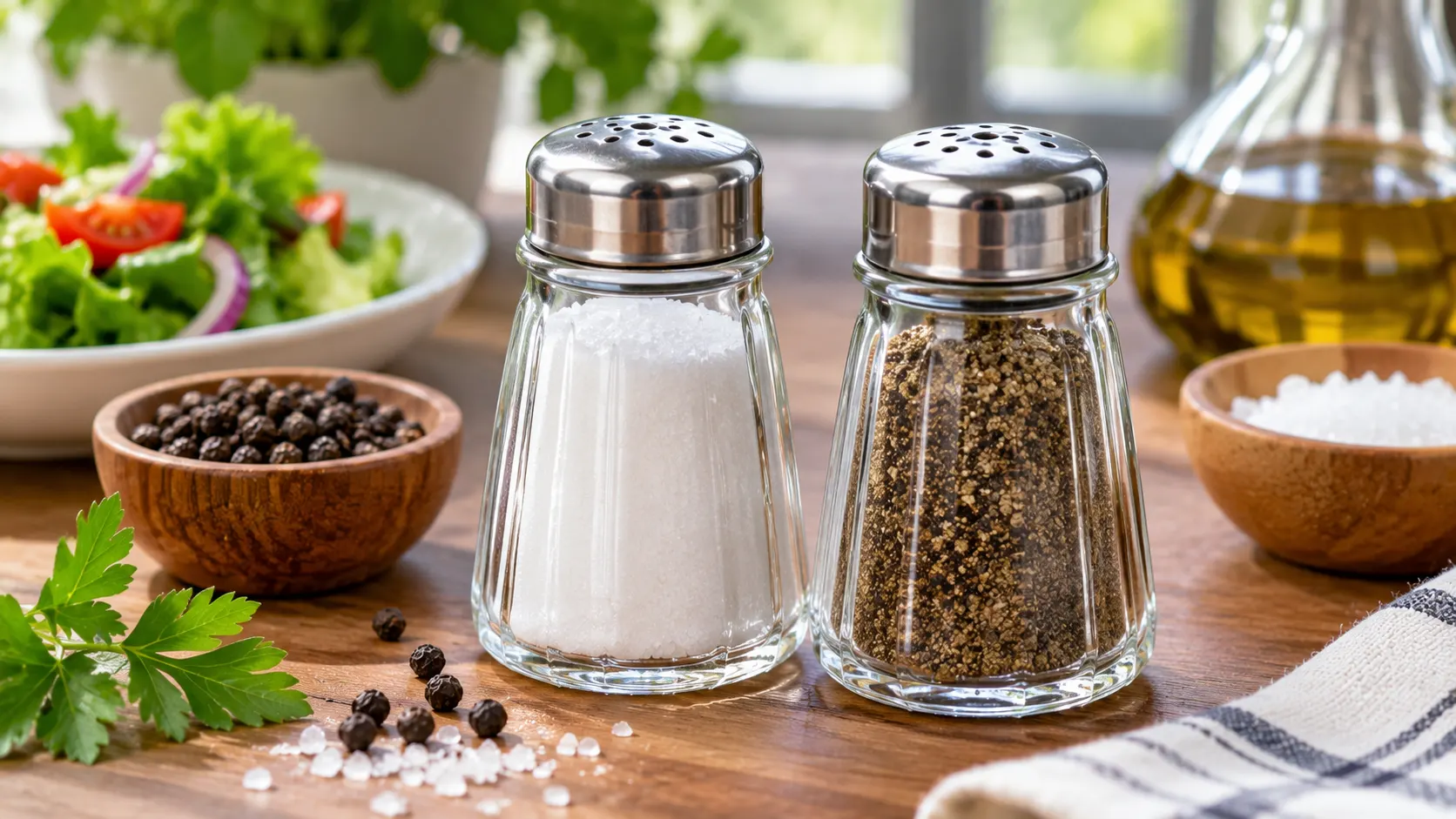
Salt and pepper shakers are small but essential kitchen accessories that make everyday seasoning easier and more convenient. Found in homes, restaurants, cafés, and dining spaces, these simple containers help people add flavor to their meals without complicated preparation. Although they may seem like ordinary tableware, choosing the right shakers can improve convenience, cleanliness, and the overall dining experience.
Whether you want practical kitchen accessories or attractive pieces for your dining table, understanding salt and pepper shakers can help you make a suitable choice. Different materials, designs, sizes, and dispensing mechanisms offer unique advantages. This guide explains the types of salt and pepper shakers, how they work, which materials are best, and practical tips for choosing, cleaning, and maintaining them.
What Are Salt and Pepper Shakers?
Salt and pepper shakers are small containers designed to store and dispense measured amounts of salt and ground pepper. They usually feature small openings at the top that release seasoning when the container is tilted or shaken. Their simple construction allows people to season food conveniently without reaching into larger storage containers.
Most shaker sets include two matching containers, one for salt and another for pepper. Manufacturers often distinguish them through labels, colors, shapes, or different numbers of dispensing holes. However, there is no universal rule determining which shaker must contain salt, so identifying the contents through clear markings can prevent confusion.
These kitchen accessories serve both functional and decorative purposes. Basic designs focus on convenient handling and easy refilling, while decorative versions complement dining room furniture and table settings. A suitable set should balance attractive appearance with practical features such as comfortable handling, reliable dispensing, and simple cleaning.
Different Types of Salt and Pepper Shakers
Traditional salt and pepper shakers are among the most common options for everyday use. They generally feature a small container, a perforated top, and a removable stopper or lid for refilling. Their straightforward construction makes them easy to understand and suitable for many kitchens, dining tables, and casual restaurants.
Modern shaker sets may feature adjustable dispensing openings, transparent containers, or specially designed lids. Some designs use rotating covers that allow users to choose between different hole sizes. These features can provide greater control over seasoning distribution, although their usefulness depends on the type and texture of the contents.
Decorative salt and pepper shakers are another popular category, especially for people interested in collecting distinctive kitchen accessories. They may resemble animals, fruits, flowers, or miniature household objects. While their appearance can be appealing, buyers should also consider whether they are easy to fill, stable on the table, and comfortable to clean.
Best Materials for Salt and Pepper Shakers
Glass is a popular material because it allows users to see the seasoning level inside the container. Glass shakers are generally easy to clean and do not absorb odors when properly maintained. However, they can break if dropped, making durability an important consideration in homes where tableware is frequently handled.
Stainless steel shakers offer a modern appearance and are often valued for their strength and resistance to everyday wear. High-quality stainless steel can provide good corrosion resistance, although prolonged moisture exposure may still create problems. These containers are especially suitable for contemporary kitchens and dining spaces with simple decorative styles.
Ceramic, plastic, and wooden designs provide additional options. Ceramic shakers offer attractive colors and patterns, while plastic versions are typically lightweight and inexpensive. Wooden containers can create a traditional appearance, but they may require more careful maintenance because moisture can affect the material over time.
Salt and Pepper Shakers vs. Salt and Pepper Grinders
Salt and pepper shakers dispense seasoning that has already been ground into relatively small particles. A shaker releases the contents through holes when it is tilted or moved. This simple mechanism makes it suitable for table salt, finely ground pepper, and other dry seasonings with appropriate particle sizes.
Grinders work differently because they contain a grinding mechanism that breaks larger crystals or peppercorns into smaller particles. Many grinders allow users to adjust the coarseness of the seasoning. This provides flexibility for cooking tasks that require different textures, although grinders can be more complicated to maintain than ordinary shakers.
Neither option is automatically better for every kitchen. Shakers are convenient for people who prefer ready-ground seasonings and simple table accessories. Grinders may appeal to those who want freshly ground pepper or adjustable particle sizes, but the choice ultimately depends on cooking habits, convenience, and personal preferences.
How to Choose the Right Salt and Pepper Shaker Set
Choosing a suitable shaker set begins with considering where and how it will be used. Everyday kitchen shakers should be durable, comfortable to hold, and easy to refill. Decorative dining room sets may place greater emphasis on appearance, but functionality should still remain an important part of the decision.
Container size is another useful consideration because smaller shakers require more frequent refilling. Larger designs can store additional seasoning, although excessive size may make them less comfortable to handle. The best capacity depends on how frequently the seasonings are used and whether the containers remain on a dining table or kitchen counter.
Dispensing holes, lid design, and overall stability also affect convenience. A shaker with openings that are too large may release more seasoning than intended, while very small holes may clog. Looking for securely fitting lids and accessible refill openings can help prevent spills and make regular maintenance easier.
Understanding Salt and Pepper Shaker Hole Sizes
The holes at the top of salt and pepper shakers control how easily seasoning leaves the container. Smaller openings usually release finer amounts, while larger openings allow greater quantities to pass through. However, the actual amount depends on particle size, moisture, and how vigorously the shaker is moved.
Some people believe that salt shakers must always contain more holes than pepper shakers. In reality, manufacturers follow different design traditions, and there is no universally accepted arrangement. One set may use three holes for salt and two for pepper, while another design follows an entirely different pattern.
Instead of relying exclusively on hole counts, consider how the containers perform with the seasonings you actually use. Fine table salt may pass through small holes easily, while coarser pepper particles may require larger openings. A well-designed shaker should provide reasonably consistent dispensing without frequent clogging or uncontrolled spills.
How to Fill Salt and Pepper Shakers Properly
Refilling salt and pepper shakers is generally straightforward, but a few simple precautions can help prevent spills. Begin by opening the designated lid or removing the stopper according to the manufacturer’s instructions. Make sure the container is clean and completely dry before adding fresh seasoning to avoid unnecessary clumping.
Using a small funnel can make refilling easier, especially when the shaker has a narrow opening. Pour the seasoning slowly and avoid filling the container completely to the top. Leaving some empty space allows the contents to move more freely when the shaker is tilted during normal use.
Once the shaker is filled, secure the lid or stopper carefully and check that it fits correctly. Test the dispensing action over a suitable surface before returning the container to the table. If the seasoning does not flow properly, inspect the openings for blockage rather than shaking the container excessively.
How to Prevent Salt and Pepper Shakers From Clogging
Clogging is one of the most common problems with salt and pepper shakers, particularly in humid environments. Salt can absorb moisture and form clumps, preventing it from passing through small openings. Finely ground pepper may also accumulate around dispensing holes when exposed to moisture or food-related residue.
Keeping the containers dry is one of the simplest ways to reduce clogging. Avoid placing open shakers directly above steaming pots or dishes because rising moisture can enter the dispensing holes. Storing the containers away from wet countertops and cleaning them thoroughly after spills can also help maintain smoother dispensing.
If a shaker becomes clogged, empty it and inspect the lid for accumulated seasoning. Clean the openings using an appropriate method, then allow every component to dry completely before refilling. Avoid using sharp objects that could damage the dispensing mechanism or create larger openings than intended.
How to Clean Salt and Pepper Shakers Safely
Regular cleaning helps keep salt and pepper shakers hygienic and prevents seasoning residue from accumulating inside. Begin by emptying the remaining contents and separating removable components. The appropriate cleaning method depends on the material, so checking manufacturer instructions is important before using water or household cleaning products.
Many glass, ceramic, and suitable stainless steel shakers can be washed with mild dish soap and warm water. A small bottle brush may help clean narrow interiors and difficult-to-reach surfaces. However, wooden containers and certain decorative materials may require wiping rather than soaking to prevent damage.
Thorough drying is essential because trapped moisture can cause seasoning to clump or affect the container’s condition. Allow the shaker and its lid to air-dry completely before adding salt or pepper. Regular maintenance can improve dispensing performance, reduce unwanted residue, and help the accessories remain suitable for everyday use.
Decorative Salt and Pepper Shakers for Dining Tables
Decorative salt and pepper shakers can contribute to a coordinated dining table without requiring extensive changes to the surrounding décor. Some designs feature simple geometric shapes, while others include colorful patterns or playful themes. Choosing a style that complements existing tableware can create a balanced appearance suitable for casual meals or special occasions.
Minimalist glass or stainless steel sets often work well with modern dining arrangements. Ceramic designs can introduce interesting textures and colors, while traditional styles may complement wooden furniture and classic table settings. The most suitable appearance depends on individual preferences rather than a fixed rule about which materials belong together.
Functionality should remain a priority when choosing decorative table accessories. Complicated shapes may be difficult to clean, and unstable designs can tip over during use. Selecting a practical set with an attractive finish allows the shakers to serve their intended purpose while contributing to an enjoyable dining environment.
Common Problems With Salt and Pepper Shakers
One common issue involves seasoning flowing too quickly or unevenly through the dispensing openings. This may happen when the holes are too large for the seasoning particles. Users can sometimes solve the problem by choosing a more suitable shaker rather than repeatedly attempting to change how they shake the container.
Another problem is leakage caused by loose stoppers or poorly fitted refill lids. When the closure does not fit securely, seasoning may escape from the bottom or sides. Checking the stopper before use and replacing damaged components can help prevent spills and reduce unnecessary waste during everyday handling.
Surface damage is also possible, especially when shakers are dropped or exposed to unsuitable cleaning methods. Glass may crack, ceramic can chip, and metal finishes may become discolored. Inspecting containers periodically and replacing broken or difficult-to-clean items helps maintain a safer and more convenient kitchen environment.
Are Expensive Salt and Pepper Shakers Worth Buying?
The price of salt and pepper shakers varies according to material, brand, design, and manufacturing quality. Basic plastic or glass sets are often affordable and provide the essential features needed for everyday seasoning. More expensive versions may include premium materials, handcrafted details, or decorative elements that increase their price.
Higher prices do not necessarily mean better dispensing performance or easier maintenance. A simple glass shaker with an effective lid may work just as well as an elaborate decorative version. Buyers should therefore evaluate practical qualities such as durability, refill convenience, stability, and material suitability rather than assuming that premium pricing guarantees superior functionality.
More expensive shakers may still be worthwhile when their design or craftsmanship matches a specific preference. Collectors and people creating coordinated table settings may value decorative details that are less important for ordinary kitchen use. The best purchase is one that meets practical needs while fitting comfortably within the intended budget.
Conclusion
Salt and pepper shakers are useful kitchen accessories that make everyday seasoning simple, convenient, and organized. Available in glass, stainless steel, ceramic, plastic, and other materials, they offer different combinations of appearance and functionality. Understanding their designs, dispensing mechanisms, and maintenance requirements can help you choose a suitable set for your kitchen or dining table.
The most important features include reliable dispensing, comfortable handling, secure closures, and easy cleaning. Proper refilling and moisture prevention can also reduce common problems such as clogging and accidental spills. Whether you prefer a basic design or a decorative set, practical performance should remain an important consideration.
Choosing the right salt and pepper shaker set does not require an expensive purchase or complicated accessories. A well-made, easy-to-maintain pair can serve everyday needs while complementing your preferred dining style. With suitable care and thoughtful selection, these small containers can remain convenient and attractive parts of your kitchen for years.
Frequently Asked Questions (FAQs)
What are salt and pepper shakers used for?
Salt and pepper shakers are small containers used to dispense salt and ground pepper onto food. They make seasoning convenient, help organize dining tables, and reduce the need to handle larger storage containers during meals.
Which shaker is for salt and which is for pepper?
There is no universal rule determining which shaker contains salt or pepper. Some sets use different numbers of holes, while others feature labels or distinctive designs to identify their contents.
What is the best material for salt and pepper shakers?
Glass and stainless steel are popular choices because they are practical and relatively easy to maintain. Ceramic and plastic shakers also work well, depending on personal preferences, durability requirements, and intended use.
How do you stop salt and pepper shakers from clogging?
Keep the containers dry, avoid exposing them to steam, and clean blocked dispensing holes regularly. Make sure every component is completely dry before refilling to reduce moisture-related clumping and inconsistent seasoning flow.
Are salt and pepper grinders better than shakers?
Grinders are useful for processing whole peppercorns or suitable coarse salt, while shakers are convenient for ready-ground seasonings. Neither is universally better, and the right choice depends on personal cooking habits and preferred seasoning textures.