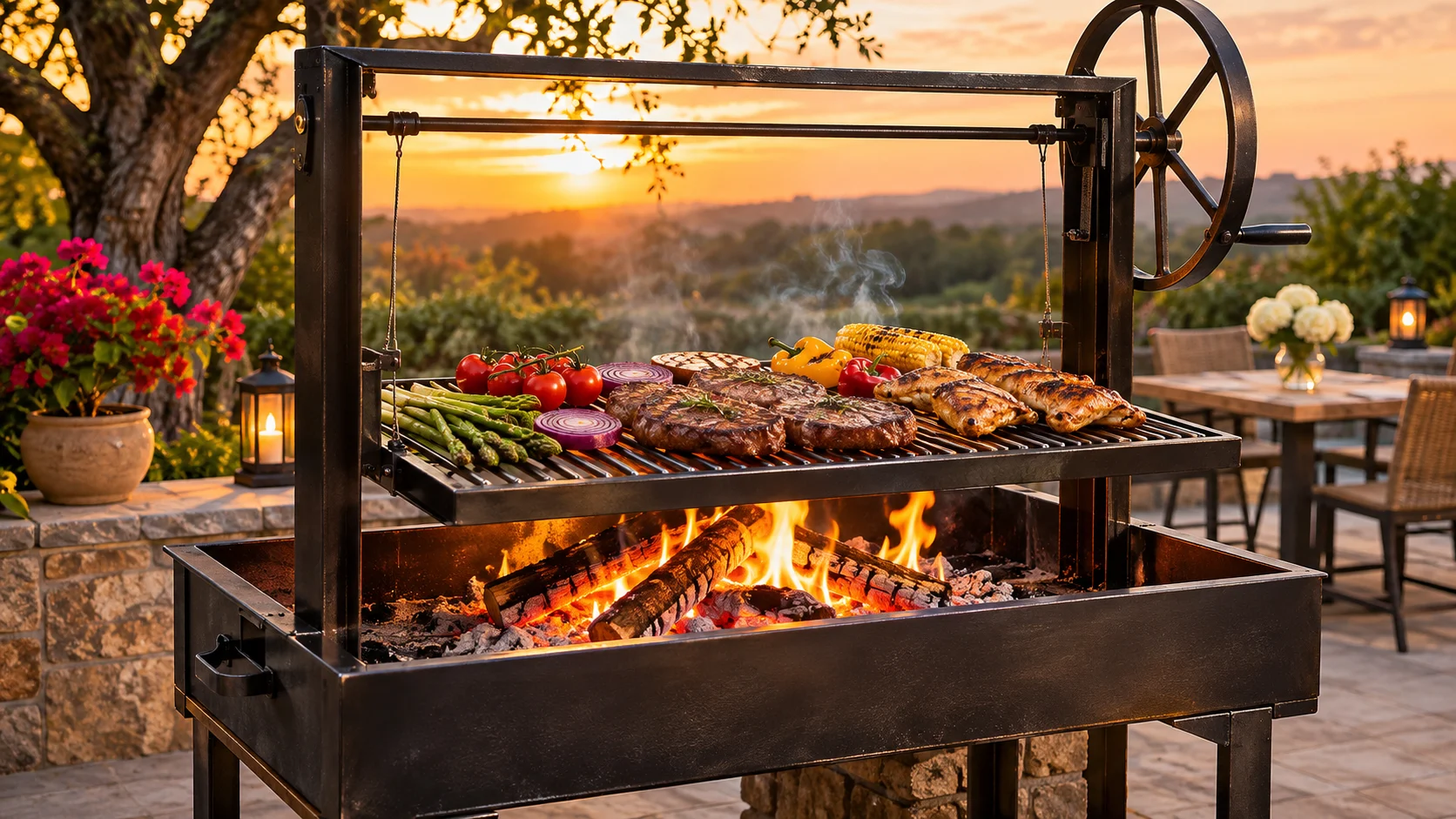
A Santa Maria grill offers more than a traditional outdoor cooking experience. Its adjustable cooking grate, wood-fired heat, and simple design make it a practical choice for people who enjoy grilling flavorful meals. Whether you are planning a backyard barbecue or upgrading your outdoor kitchen, choosing the right grill can help you get better value for your money.
Unlike standard gas grills, a Santa Maria-style grill gives you greater control over how close your food sits to the fire. This flexibility makes it easier to cook different cuts of meat, vegetables, and other barbecue favorites. Understanding its features, materials, and maintenance needs can help you make a purchase that fits your cooking habits and budget.
What Is a Santa Maria Grill?
A Santa Maria grill is a traditional outdoor barbecue grill known for its adjustable cooking grate and live-fire cooking method. It originated from the barbecue traditions of California’s Central Coast, particularly the Santa Maria Valley. The grill commonly uses hardwood coals to produce steady heat and smoky flavors that enhance grilled meats.
The most recognizable feature is a cooking grate that moves up and down using a crank, wheel, or lifting mechanism. This adjustable height lets you control cooking temperatures without constantly moving burning wood or hot coals. Raising the grate reduces exposure to intense heat, while lowering it creates a stronger searing effect.
Traditional Santa Maria barbecue often features beef tri-tip, top-block sirloin, and regional seasonings. However, modern versions of the grill can prepare chicken, seafood, vegetables, and many other foods. Its versatility makes it an appealing investment for outdoor cooking enthusiasts who want flexibility without relying on complicated grilling technology.
How Does a Santa Maria Grill Work?
A Santa Maria grill works by combining burning hardwood with an adjustable cooking surface. The fire produces heat that rises toward the grate, cooking food through radiant heat and hot air. Instead of changing a burner setting, you adjust the distance between the cooking grate and the heat source.
When cooking thick cuts of meat, you can begin with the grate closer to the coals to develop a flavorful crust. After searing, raising the grate allows the interior to cook more gently. This technique helps manage surface browning while reducing the chance of burning food before the center reaches the desired temperature.
The fuel also influences the overall cooking experience. Traditional grilling often uses red oak, although other suitable untreated cooking hardwoods can work when properly seasoned. Wood creates embers that provide heat and contribute smoky flavors, making this grilling method particularly attractive to people who appreciate authentic barbecue cooking.
Why a Santa Maria Grill Can Be Worth the Money
Buying a Santa Maria grill can provide long-term value when you choose a durable model that matches your cooking needs. Unlike grills with complicated electronic components, many traditional designs rely on straightforward mechanical systems. Quality steel construction and a reliable lifting mechanism can provide years of service with proper maintenance.
Another advantage is the ability to cook different foods using one adjustable cooking surface. You can prepare steaks, burgers, vegetables, and larger meat cuts without purchasing separate cooking equipment for every technique. This versatility helps justify the investment, especially for households that regularly enjoy outdoor meals and barbecue gatherings.
However, value depends on how frequently you use the grill and how much maintenance you are willing to perform. Wood fuel, cleaning supplies, storage protection, and occasional replacement parts add to ownership costs. Comparing these expenses with your grilling habits will help determine whether the investment makes financial sense.
Key Features to Look for Before Buying
The adjustable grill grate should be your first consideration when comparing Santa Maria grills. Look for a smooth lifting mechanism that securely holds the grate at different heights. A reliable crank system makes cooking easier and allows you to respond quickly when food needs less or more direct heat.
Construction materials also influence durability and performance. Heavy-gauge steel is commonly used because it can withstand repeated exposure to high temperatures, while stainless steel may offer improved corrosion resistance. Pay attention to weld quality, grate thickness, frame stability, and whether the materials are suitable for outdoor use.
Cooking area, portability, and cleaning features are equally important. A removable grate simplifies maintenance, while sturdy legs provide support during cooking. Some models also include wheels, ash collection areas, or additional preparation surfaces, making them convenient for backyard kitchens and outdoor entertainment spaces.
Different Types of Santa Maria Grills
Traditional freestanding Santa Maria grills feature an open firebox, adjustable cooking grate, and supporting frame. These models provide the classic live-fire barbecue experience and are suitable for dedicated outdoor cooking spaces. Their straightforward design appeals to people who prefer manual temperature control and traditional grilling techniques.
Built-in Santa Maria grills are designed for permanent outdoor kitchen installations. They may be incorporated into masonry structures, custom steel fireboxes, or other heat-resistant cooking stations. Although installation can increase upfront costs, built-in models offer an organized cooking area that can complement a thoughtfully planned backyard entertainment space.
Portable Santa Maria grills offer another option for people who need greater flexibility. Smaller versions can be moved between suitable outdoor locations, provided the structure remains stable and safe during use. These models may have limited cooking capacity, but they can be practical for occasional gatherings and smaller households.
Choosing the Right Santa Maria Grill Size
Choosing the correct grill size begins with understanding how many people you usually cook for. A compact cooking grate may provide sufficient space for family meals, while larger gatherings require more room for multiple cuts of meat. Consider the food you prepare most often rather than choosing the largest available model.
A larger grilling surface allows you to create separate cooking zones. For example, one section can handle high-heat searing while another provides gentler cooking over fewer embers. However, bigger grills generally require additional outdoor space, may use more fuel, and can increase cleaning and maintenance responsibilities.
Before purchasing, measure the available outdoor cooking area carefully. Include room for safe movement, cooking tools, fuel handling, and the clearances specified by the manufacturer. A properly sized grill improves convenience and helps prevent unnecessary spending on cooking capacity that you rarely use.
Best Materials for a Durable Santa Maria Grill
Carbon steel is a common material for Santa Maria grill construction because of its strength and ability to tolerate high cooking temperatures. Thick steel components can provide a sturdy cooking structure, especially when supported by quality welds. However, carbon steel needs proper cleaning, drying, and protection to reduce rust formation.
Stainless steel is another popular option, particularly for cooking grates and exposed components. It generally offers better corrosion resistance than untreated carbon steel, making it attractive for outdoor environments. Nevertheless, stainless steel quality varies, and higher-grade materials may increase the purchase price without necessarily improving every aspect of cooking performance.
Cast iron can also be used for certain cooking surfaces because it retains heat effectively. However, its weight and maintenance requirements may not suit every adjustable grilling mechanism. When comparing materials, consider construction quality, replacement-part availability, cleaning needs, and expected exposure to rain, humidity, and outdoor conditions.
Santa Maria Grill vs. Traditional Gas Grill
A Santa Maria grill relies on live-fire heat, while a conventional gas grill uses burners fueled by propane or natural gas. Gas grills typically offer quicker startup and convenient temperature adjustments. Santa Maria grills require more attention to fire management but provide the experience of cooking directly over hardwood embers.
Flavor is another important difference between these cooking methods. Burning hardwood can contribute smoke aromas that many barbecue enthusiasts enjoy, particularly when preparing beef and other grilled foods. Gas grills can also produce excellent results, although their standard burners do not naturally provide the same wood-fired smoke characteristics.
Operating costs and convenience should influence your decision. Gas grilling may be easier for quick weeknight meals, while wood-fired cooking involves fuel preparation, ash removal, and fire supervision. If you enjoy traditional barbecue and have time to manage a live fire, a Santa Maria grill may better match your preferences.
How to Save Money When Buying a Santa Maria Grill
The easiest way to avoid overspending is to identify the features you actually need. A dependable adjustable grate, solid construction, and sufficient cooking space are usually more important than decorative additions. Paying for features that do not improve your cooking experience can reduce the overall value of your purchase.
Compare several manufacturers and review their construction specifications before deciding. Look beyond the advertised price by checking shipping fees, assembly requirements, warranty coverage, and replacement-part costs. A cheaper grill may become more expensive over time if essential components wear quickly or require frequent repairs.
Used grills can provide savings when their condition is carefully inspected. Check for severe corrosion, damaged welds, unstable frames, and lifting mechanisms that do not operate smoothly. Also consider seasonal promotions and local manufacturers, but prioritize structural safety and quality over the lowest available purchase price.
Best Foods to Cook on a Santa Maria Grill
Beef tri-tip is one of the most recognizable foods associated with Santa Maria-style barbecue. This triangular cut is often seasoned simply and grilled over hardwood coals until it develops a flavorful exterior. Cooking it with an adjustable grate helps manage heat while the meat reaches the desired internal temperature.
Steaks, burgers, chicken, and pork can also work well on this type of grill. Different cuts require different temperatures and cooking times, so monitoring doneness with a food thermometer is important. The adjustable height allows greater control when switching between delicate foods and thicker cuts that need additional cooking time.
Vegetables and seafood offer additional possibilities beyond traditional barbecue meats. Bell peppers, mushrooms, corn, zucchini, and suitable seafood can develop appealing flavors over controlled heat. Using a grill basket or appropriate cooking surface for smaller ingredients helps prevent food from falling into the fire.
Tips for Better Results With Santa Maria-Style Cooking
Successful Santa Maria grilling begins with building a manageable fire and allowing suitable hardwood to form a bed of glowing embers. This creates a more predictable cooking environment than placing food directly over large, uncontrolled flames. Use only appropriate cooking fuel, and follow the grill manufacturer’s instructions for fire preparation.
Learning to adjust the grate is essential for consistent cooking. Lowering the cooking surface increases heat exposure, while raising it provides a gentler environment for finishing thicker foods. Make gradual adjustments, watch for flare-ups, and use a reliable food thermometer rather than judging internal doneness by appearance alone.
Food safety is just as important as flavor. Keep raw foods separate from cooked items, clean utensils between uses, and follow recommended safe internal cooking temperatures. For example, poultry should reach 165°F, while whole cuts of beef generally require at least 145°F followed by a three-minute rest for food safety.
Common Santa Maria Grilling Mistakes to Avoid
One common mistake is placing food over intense flames before the fire has developed suitable cooking embers. Excessive heat can char the outside while leaving the center undercooked. Building the fire properly and adjusting the grate helps create a more controlled cooking environment with less wasted food.
Another mistake is constantly moving the cooking grate without paying attention to the food’s progress. Although height adjustment is useful, unnecessary changes make cooking less predictable. Instead, monitor browning, observe the condition of the coals, and adjust the grate when there is a clear reason to change heat exposure.
Neglecting cleaning and maintenance can also shorten the grill’s useful life. Grease buildup, accumulated ash, and moisture exposure may contribute to corrosion or interfere with moving parts. Establishing a simple maintenance routine helps protect your investment and keeps the grilling system operating smoothly.
How to Maintain Your Santa Maria Grill
Regular cleaning begins after the grill has cooled completely. Remove leftover ash, brush food residue from the grate, and clean grease deposits using methods appropriate for the material. Avoid leaving ash inside the firebox for extended periods because moisture trapped in residue can encourage corrosion.
Inspect the adjustable lifting system periodically to ensure that the crank, cables, chains, and supporting components remain in good condition. Follow the manufacturer’s guidance for lubrication and replacement parts, keeping unsuitable lubricants away from cooking surfaces. Addressing early signs of damage can prevent more expensive repairs later.
Outdoor storage also affects the grill’s lifespan. A suitable weather-resistant cover helps protect exposed components, but the grill should be completely cool and dry before covering. If possible, position it in a sheltered outdoor location that reduces exposure to heavy rain without compromising safe operating clearances.
Is a Custom Santa Maria Grill Worth Considering?
A custom Santa Maria grill can be attractive when standard models do not match your outdoor kitchen requirements. Customization may allow you to select a particular cooking area, frame height, grate arrangement, or installation layout. However, these benefits should be weighed against fabrication costs, delivery expenses, and future maintenance needs.
Custom designs can also incorporate features such as multiple cooking zones, preparation surfaces, or specialized lifting systems. While these additions may improve convenience, they can increase complexity and make replacement parts harder to obtain. Choose functional improvements that support your cooking habits instead of paying for unnecessary decorative details.
Working with a qualified fabricator is important because the grill must safely support heavy cooking surfaces and withstand intense heat. Ask about suitable materials, weld quality, load capacity, and the stability of the adjustable mechanism. A well-designed custom grill can provide lasting value when its construction matches your intended use.
How to Get the Most Value From Your Santa Maria Grill
Getting good value from a Santa Maria grill involves more than finding a low purchase price. Frequent use, proper fuel management, regular maintenance, and suitable cooking accessories all contribute to long-term satisfaction. Learning effective grilling techniques can also help reduce food waste and improve consistency.
Plan meals around the cooking area and the amount of fuel required. Preparing several suitable foods during one grilling session may make efficient use of an established bed of coals. Keep essential tools available, including long-handled tongs, heat-resistant gloves, a grill brush, and a reliable food thermometer.
Finally, invest time in understanding how your particular grill responds to different fuel quantities and grate positions. Every design behaves somewhat differently depending on its size, construction, and airflow. Developing practical experience will help you cook confidently while making better use of your outdoor barbecue investment.
Conclusion
A Santa Maria grill can be a valuable addition to an outdoor cooking area for anyone who appreciates traditional wood-fired barbecue. Its adjustable cooking grate provides flexibility when preparing different foods and managing changing heat conditions. Choosing a well-constructed model helps balance cooking performance, durability, and long-term ownership costs.
Before buying, consider your available space, preferred foods, cooking frequency, and maintenance expectations. Compare materials, lifting mechanisms, cooking capacity, and warranty coverage instead of focusing exclusively on the initial price. A practical purchase decision helps prevent unnecessary expenses and improves your overall grilling experience.
With proper fire management, routine cleaning, and safe cooking practices, a Santa Maria grill can deliver years of enjoyable outdoor meals. Whether you select a compact freestanding model or a permanent installation, prioritize reliable construction and features you will actually use. The right choice makes traditional barbecue cooking both rewarding and worthwhile.
Frequently Asked Questions
What Makes a Santa Maria Grill Different From Other Grills?
A Santa Maria grill features an adjustable cooking grate that moves closer to or farther from burning hardwood coals. This provides direct heat control and supports traditional wood-fired barbecue techniques.
Is a Santa Maria Grill Worth the Investment?
A Santa Maria grill can be worth the investment if you frequently enjoy outdoor cooking and prefer wood-fired flavors. Its value depends on build quality, fuel expenses, maintenance, and regular use.
What Type of Wood Is Best for a Santa Maria Grill?
Red oak is traditionally associated with Santa Maria barbecue because it produces suitable cooking embers and distinctive flavors. Other properly seasoned, untreated cooking hardwoods may also be appropriate.
Can You Cook Vegetables on a Santa Maria Grill?
Yes, a Santa Maria grill can cook vegetables such as corn, peppers, zucchini, and mushrooms. Adjusting the cooking grate helps control heat, while a grill basket prevents smaller pieces from falling.
How Long Does a Santa Maria Grill Last?
A well-built Santa Maria grill can last many years with regular cleaning, appropriate storage, and proper maintenance. Its lifespan depends on material quality, outdoor exposure, cooking frequency, and component condition.